

Executive Overview
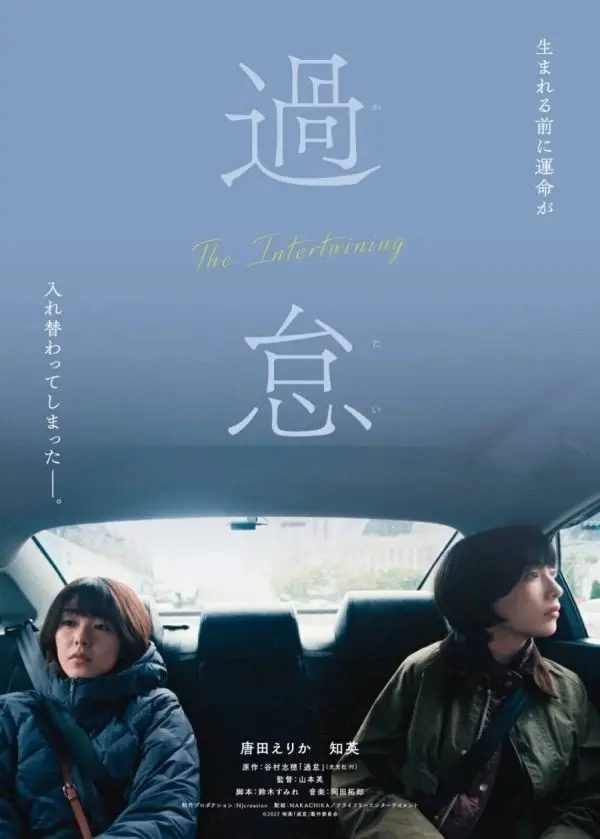
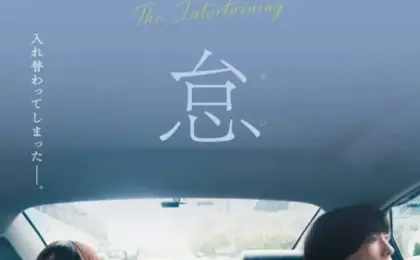
What defines a family? Is it the shared genetic code passed down through generations, or is it the intangible, daily architecture of a shared life—the unspoken routines, the enduring emotional bonds, and the comforting familiarity of a home? This deeply complex question sits at the very heart of The Intertwining, a 2026 feature film directed by visionary filmmaker Akira Yamamoto. Boasting powerful lead performances by Jiyoung and Erika Karata, the movie invites audiences to ponder an uncomfortable yet fascinating hypothesis: Would your life be fundamentally better, or entirely unrecognizable, had you been raised by a different family?
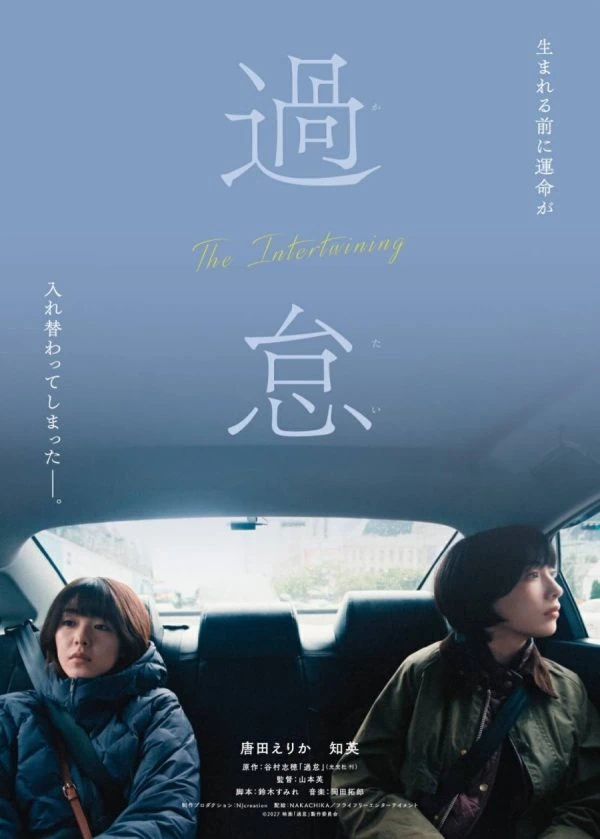
At its core, The Intertwining tells the story of two individuals—Nanako, portrayed by Jiyoung, and Ji-hyun, played by Erika Karata—whose fates were irrevocably altered by a shocking medical oversight: an embryo mix-up at birth. When this staggering truth finally comes to light, both women are thrust into a profound existential crisis. Stripped of the certainties they once took for granted, they must question their very identities and embark on a poignant, emotionally fraught search for their rightful place in the world.
While Yamamoto’s film introduces a compelling premise rooted in real-world anxieties about nurture versus nature, the execution yields mixed results. Clocking in at a methodical two-hour runtime, the picture leans heavily into a slow-burn pacing style that often hampers its narrative momentum. Critical reception has highlighted a distinct structural flaw: standard promotional synopses give away a major narrative turning point that does not actually materialize on screen until over thirty minutes into the film. Consequently, viewers frequently find themselves waiting for characters to catch up to a secret they already know, creating an unusual emotional disconnect.
Despite these pacing hurdles and a third act that suffers from an overly restrained, vague sense of subtlety, The Intertwining remains an arresting visual and emotional experience. Driven by the magnetic, deeply empathetic performances of Jiyoung and Karata, alongside a gorgeous humanist approach to cinematography, the film captures moments of genuine human vulnerability. It is a work that signals Akira Yamamoto as a director of immense promise, even if the final cinematic jigsaw puzzle leaves viewers pondering what might have been.
Detailed Chronology and Narrative Structure
To understand the emotional trajectory of The Intertwining, one must examine the meticulous, albeit protracted, way Akira Yamamoto unfolds his narrative. The film does not rush into its central premise; instead, it deliberately establishes the status quo of its protagonists’ lives before pulling the rug out from under them.
Act I: The Illusion of Certainty and Slow-Burn Setup
The opening thirty minutes of The Intertwining are dedicated to immersing the audience in the quiet, everyday rhythms of Nanako (Jiyoung) and Ji-hyun (Erika Karata). Yamamoto utilizes a naturalistic, almost documentary-style approach to framing his characters. We watch them navigate their careers, relationships, and personal insecurities. The cinematography thrives on humanism, capturing subtle micro-expressions, lingering glances, and the simple way each woman walks through the world with distinct emotional weight.
However, this deliberate pacing has drawn scrutiny from critics. Because marketing materials and standard plot synopses explicitly reveal the embryo mix-up premise, audiences enter the theater armed with narrative foreknowledge. As Nanako and Ji-hyun blissfully go about their daily routines unaware of the cosmic error that dictates their existence, a palpable dramatic irony takes hold. Rather than experiencing the narrative reveal alongside the characters as a shocking twist, the audience is forced into a waiting game. We sit in quiet anticipation, marking time until the narrative engine finally catches up with the premise.
Act II: The Collision of Fates and Existential Crisis
Once the shocking truth of the embryo mix-up is finally unveiled to the characters, The Intertwining shifts into a deeply contemplative character study. The revelation shatters the foundations of Nanako’s and Ji-hyun’s worldviews. Forced to confront the biological reality of their origins, both women experience a profound identity crisis.
Yamamoto steers clear of cheap melodramatic theatrics, opting instead for a quiet, internal reckoning. The two women are brought together by circumstance, their lives irrevocably intertwined by a medical error that transcends generations. As they begin to interact, their budding relationship becomes the emotional anchor of the movie. The stark contrast between their upbringings, mannerisms, and worldviews highlights the complex interplay between biology and environment. Are we simply the product of our genes, or are we sculpted entirely by the hands of those who raised us? The film wrestles with these questions not through fiery arguments, but through heavy silences, tentative conversations, and shared moments of grief for the lives they might have had.
Act III: The Resolution and Ambiguous Subtlety
As the narrative builds toward its conclusion, The Intertwining tackles its heaviest philosophical burdens: Can an accidental swap at birth rob a child of a loving childhood? And do blood relations truly supersede the emotional investments of adoptive or non-biological parenting?
Unfortunately, it is within this final act that the film stumbles slightly. Yamamoto embraces a level of subtlety that borders on evasiveness. Key emotional beats—particularly regarding whether certain supporting characters possess full awareness of the situation—are left shrouded in ambiguity. While artistic vagueness can often enhance a film’s poetic resonance, here it occasionally robs the narrative of a decisive, gut-punch emotional payoff. A more direct confrontation with the moral and ethical dilemmas might have solidified the film’s thematic resonance, leaving a more enduring mark on the viewer. Instead, the film gently trails off, offering a quiet, contemplative resolution that feels earned by the performances, yet muted by its own narrative reticence.
Supporting Context, Thematic Depth, and Production Metrics
The Cast: Anchoring a Complex Narrative
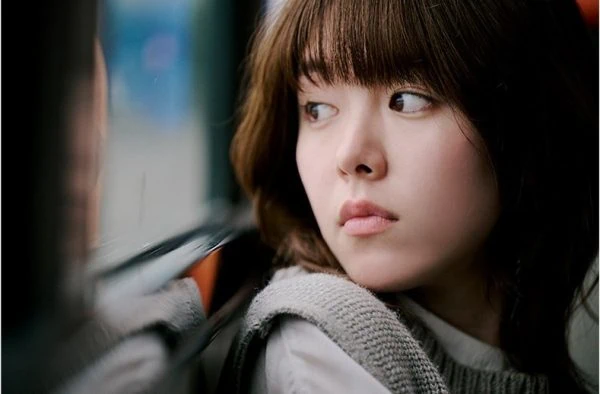
The true triumph of The Intertwining lies squarely on the shoulders of its two lead actresses, Jiyoung and Erika Karata. Their on-screen chemistry is palpable, grounding a high-concept premise in gritty, relatable human emotion.
- Jiyoung as Nanako: Jiyoung delivers a masterclass in understated performance. Through posture, gait, and subtle shifts in vocal inflection, she communicates a deep-seated yearning for belonging. Even when the audience possesses more narrative information than her character, Jiyoung’s infectious vulnerability makes it impossible not to root for her survival through this emotional tempest.
- Erika Karata as Ji-hyun: Karata matches Jiyoung beat for beat, offering a compelling study in resilience and quiet desperation. Her portrayal of a woman whose history has been entirely re-written overnight is heartbreakingly authentic. Together, the duo elevates the material, transforming what could have been a standard melodrama into a rich character study.
Visual Aesthetics and Humanist Cinematography
From its very first frame, The Intertwining establishes a distinct visual identity. The cinematography avoids glossy, over-stylized lighting in favor of a naturalistic, observational aesthetic. It feels less like watching a constructed drama and more like eavesdropping on real lives unfolding in real-time. This aesthetic choice reinforces the themes of identity and authenticity; the camera respects the personal space of its subjects while simultaneously exposing their deepest vulnerabilities. The pacing, though admittedly slow at over two hours, works in tandem with this visual style to create a meditative, hypnotic atmosphere.
Critical Metrics and Evaluation
In critical evaluations—such as those from Flickering Myth—The Intertwining has generally received solid, if unspectacular, marks (averaging around 3 out of 5 stars for both overall film quality and entertainment value). Critics universally praise the directorial ambition of Akira Yamamoto and the powerhouse acting duo, but frequently cite structural issues—specifically the mismatch between promotional synopses and the slow-burn narrative structure—as barriers to universal acclaim.
Official Statements and Industry Perspectives
While major promotional campaigns for The Intertwining have focused primarily on the star power of Jiyoung and Karata, early interviews with director Akira Yamamoto shed light on the philosophical motivations behind the project.
Yamamoto has noted in press statements that the concept for the film was born out of a desire to interrogate modern definitions of family in an increasingly disconnected world. "We live in an era where biological definitions of family are constantly being challenged by modern reproductive technologies, adoption advocacy, and shifting social norms," Yamamoto explained during a promotional panel. "With this film, I did not want to provide easy answers or moral judgments. I wanted to place two women at the center of an impossible anomaly and simply observe how the human spirit adapts when the very roots of its identity are pulled up from the earth."
Lead actresses Jiyoung and Erika Karata also reflected on the intense emotional labor required to bring their characters to life. In joint statements provided during production updates, the duo emphasized the collaborative nature of their scenes. "Building the relationship between Nanako and Ji-hyun required immense trust," Jiyoung stated. "We weren’t just playing characters who were strangers brought together by fate; we were exploring two halves of a fractured whole, trying to understand if we could heal one another."
Future Outlook and Legacy
As The Intertwining continues its festival run and theatrical distribution rollout in 2026, its long-term legacy within contemporary Asian cinema appears nuanced. It may not shatter box office records or dominate awards circuits with sweeping accolades, but it occupies a vital space as an artistically ambitious character drama.
For director Akira Yamamoto, The Intertwining serves as a formidable stepping stone. It proves he possesses a distinct visual voice, an eye for poignant humanist framing, and the courage to tackle uncomfortable, high-concept existential dilemmas. Going forward, industry watchers will undoubtedly keep a close eye on Yamamoto’s career trajectory, eager to see if he can marry his undeniable aesthetic sensibilities with tighter, more structurally cohesive screenplays.
For Jiyoung and Erika Karata, their stellar turns in The Intertwining further cement their reputations as performers of remarkable depth and versatility. Even if the film’s third act occasionally falters under the weight of its own subtlety, the performances of its leading women—and the lingering questions the film raises about love, genetics, and belonging—ensure that The Intertwining will remain a memorable cinematic conversation piece for years to come.





Belum ada komentar. Jadilah yang pertama berkomentar!