

Executive Overview
For over a decade, the smartphone industry has watched competitors like Samsung, Huawei, and Google iterate through multiple generations of foldable devices, capturing the imagination of tech enthusiasts while carving out a lucrative, albeit niche, market segment. Meanwhile, Apple has remained conspicuously absent from the folding hardware race—until now. According to recent supply chain leaks and industry intelligence, Apple is officially preparing to launch its first foldable smartphone in September 2026.
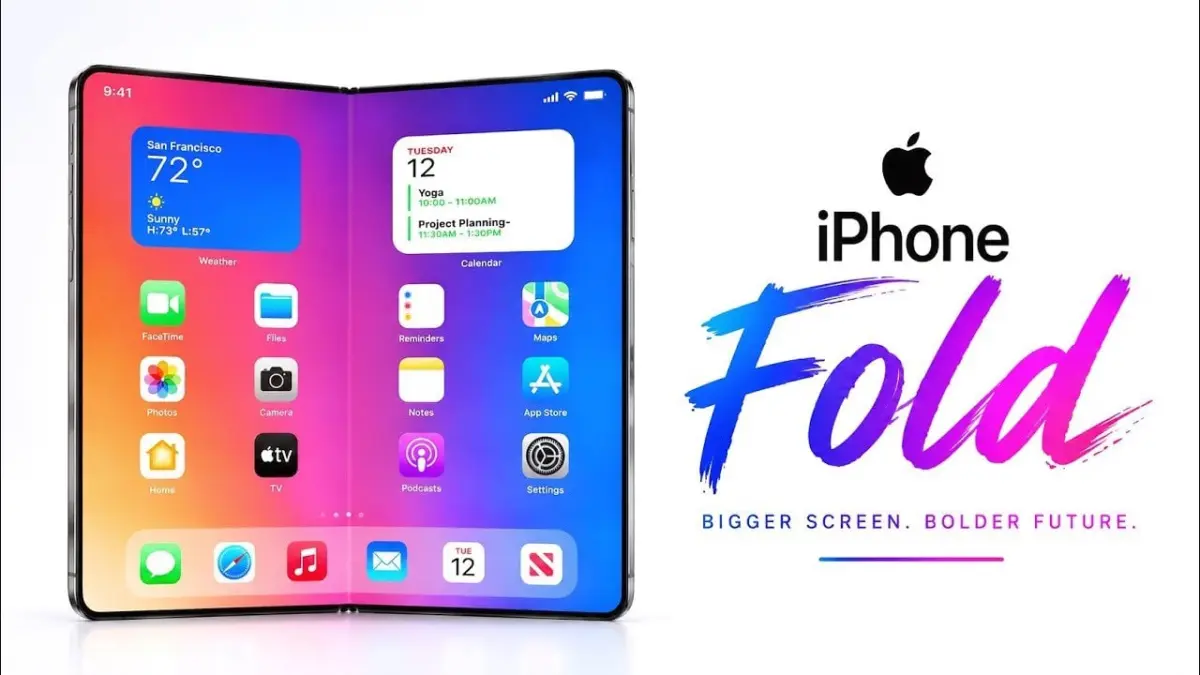
Expected to debut alongside the traditional autumn iPhone generation, this groundbreaking device is currently rumored to carry either the moniker “iPhone Fold” or “iPhone Ultra.” This launch marks a monumental shift for the Cupertino-based tech giant, symbolizing its first major departure from the standard slab smartphone form factor since the introduction of the original iPhone in 2007.
However, entering an established category comes with high stakes. Leaks indicate that while the foldable iPhone will introduce an exciting new form factor, it will not arrive without notable hardware compromises. Technical constraints—ranging from biometric authentication shifts to missing Pro-tier features—suggest that Apple is taking a cautious, measured approach to its inaugural foldable hardware. Furthermore, early production targets are modest, and supply chain constraints are projected to create severe initial shortages worldwide.
This comprehensive report examines what we know about Apple’s upcoming foldable device, breaking down the design trade-offs, naming conventions, manufacturing hurdles, and the broader implications for the global mobile market.
Detailed Chronology: The Road to Apple’s Foldable Milestone
Rumors regarding a foldable iPhone are nearly as old as the foldable category itself, but the journey from conceptual R&D to active production lines has been long, deliberate, and fiercely guarded by Apple’s secretive executive team.
The Early R&D Years (2018–2021)
As early as 2018, patent filings surfaced revealing Apple’s early explorations into flexible display panels, innovative hinge mechanisms, and glass that could bend without shattering. During this period, competitors rushed to market with first-generation foldables plagued by fragile screens, visible creases, and exorbitant price tags. Apple took a famously conservative stance, opting to observe consumer reception and let component manufacturers mature their technologies before committing resources.
Prototyping and Panel Sourcing (2022–2024)
By the early 2020s, supply chain reports indicated that Apple had begun sourcing foldable OLED panels from major manufacturers, primarily Samsung Display and LG Display. Prototypes were reportedly put through rigorous durability testing, focusing heavily on minimizing the display crease—a persistent pain point for early foldable devices. During this phase, internal debates centered on whether to build a book-style foldable device (like the Galaxy Z Fold) or a clamshell flip phone (like the Galaxy Z Flip). Ultimately, leaked roadmap details point toward a larger, book-style device that opens up to offer tablet-like screen real estate.
The Production Greenlight and Manufacturing Realities (2025–Present)
Moving past the conceptual threshold, supply chain indicators confirm that Apple has officially greenlit production for a late 2026 launch. Initial production runs are targeting a conservative 10 million units, a fraction of the hundreds of millions of standard iPhones manufactured annually. Analysts note that suppliers will likely need an additional three to five months post-launch to scale production and meet global demand, setting the stage for significant scarcity upon release.
Design and Features: Innovation Paired with Strategic Trade-Offs
The defining centerpiece of Apple’s upcoming device is, unquestionably, its flexible internal display. Designed to bridge the gap between a pocketable smartphone and a compact tablet, the foldable screen promises to redefine multitasking and media consumption within the iOS ecosystem. Yet, achieving this unique form factor requires substantial engineering compromises.
Biometric Shifts: Saying Goodbye to Face ID?
One of the most surprising leaks regarding the device is the potential omission of Face ID. Implementing the complex TrueDepth camera array required for Face ID inside the thin, complex chassis of a foldable phone presents severe spatial and mechanical hurdles.
To overcome this, industry insiders report that Apple may pivot back to Touch ID, integrating the fingerprint sensor directly into the physical power button—similar to the design seen on recent iPad Air and iPad mini models. For Apple users accustomed to seamless facial recognition, this represents a notable workflow adjustment, though it underscores the physical limitations engineers faced during development.
Omitted Pro-Tier Hardware
Consumers looking at the foldable iPhone as the absolute pinnacle of Apple engineering may find themselves surprised by what is missing. Reports indicate that several features standard on Apple’s modern Pro and Pro Max slab models will be absent from the first-generation foldable:
- Telephoto Camera: The device may rely on a dual-lens or simplified camera array rather than the sophisticated periscope zoom lenses found on top-tier flagships.
- MagSafe Charging: Due to the complex internal layout, split battery cells, and flexible chassis architecture, magnetic wireless charging compatibility remains uncertain or may be omitted entirely in the first generation.
- Action Button: The customizable side button introduced in recent Pro models might not make the cut, as the physical perimeter of the device is largely consumed by hinge mechanisms and volume/power controls.
By omitting these features, Apple is signaling a distinct product philosophy: the foldable form factor is the primary selling point. Rather than packing every high-end specification into a single device, Apple is testing the waters of foldable hardware while prioritizing core usability and structural integrity.
Supporting Context & Metrics: Naming Conventions and Market Supply
iPhone Fold vs. iPhone Ultra: What’s in a Name?
As launch day approaches, branding remains a point of heavy internal and external speculation. Two primary frontrunners have emerged:
- iPhone Fold: This name relies on straightforward, functional clarity. It immediately informs consumers of the device’s defining hardware characteristic, mirroring terminology used across the wider tech industry.
- iPhone Ultra: This branding aligns with Apple’s existing nomenclature for top-tier, ultra-premium hardware, such as the Apple Watch Ultra. Positioning the device as an "Ultra" model elevates its perceived luxury and justifies what is expected to be a very high price tag.
Whichever name Apple chooses will set the tone for its high-end mobile strategy for the remainder of the decade, signaling whether foldables are treated as a separate product category or the ultimate evolution of the core iPhone line.
Production Metrics and Global Rollout
The scale of Apple’s initial manufacturing rollout highlights the calculated, risk-averse nature of this launch:
- Initial Production Target: ~10 million units globally.
- Supply Chain Scaling Window: 3 to 5 months of post-launch ramp-up time required by component suppliers.
- Release Timing: Expected September 2026 reveal alongside the standard iPhone lineup.
- Availability Challenges: Due to high anticipated demand and constrained early manufacturing yields, consumers should expect severe stock shortages in the months immediately following release.
Future Outlook: Industry Impact and the Next Chapter for Apple
Apple’s entry into the foldable smartphone market is more than just a product launch—it is a validation of an entire hardware category. For years, skeptics argued that foldables were an over-engineered fad. Apple’s arrival changes the conversation entirely, legitimizing flexible displays as the future of mobile computing.
Market Dynamics and Competitor Pressure
Currently, companies like Samsung, Google, and various Chinese manufacturers (such as Huawei, Honor, and OnePlus) hold a monopoly on foldable innovation. While these brands have refined their hinge designs and software optimizations over multiple generations, they have struggled to make foldables a truly mainstream consumer choice.
Apple’s unmatched brand loyalty, combined with the powerful gravitational pull of the iOS ecosystem, could trigger a massive influx of mainstream consumers into the foldable market. If Apple successfully integrates a foldable device into its hardware ecosystem, competitors will be forced to accelerate their own research and development to keep pace.
Consumer Reception and the Path Forward
Early reception will likely be divided. Tech enthusiasts and early adopters will line up to purchase Apple’s first-ever foldable device, accepting the hardware compromises and high price tag as the price of admission for cutting-edge tech. However, mainstream users accustomed to the flawless, uncompromised performance of standard Pro iPhones may view the first-generation foldable as an expensive experiment with room for maturation.
Ultimately, the foldable iPhone will serve as a foundational stepping stone. Whether it immediately dominates market share or acts as a proof-of-concept for future iterations, this device marks a bold new chapter in Apple’s hardware history—proving that even the world’s most successful technology company is willing to bend the rules of smartphone design.









Belum ada komentar. Jadilah yang pertama berkomentar!