

Executive Overview
For the modern global traveler, the hospitality landscape is sharply divided. On one end of the spectrum sit high-end luxury resorts that demand exorbitant nightly rates for curated, immersive stays; on the other are bare-bones, room-only accommodations designed strictly for transit-oriented sleeping. For decades, travelers prioritizing urban exploration have accepted a transactional compromise: sacrifice comfort, forgo amenities, and bypass dining options in exchange for a low baseline rate.
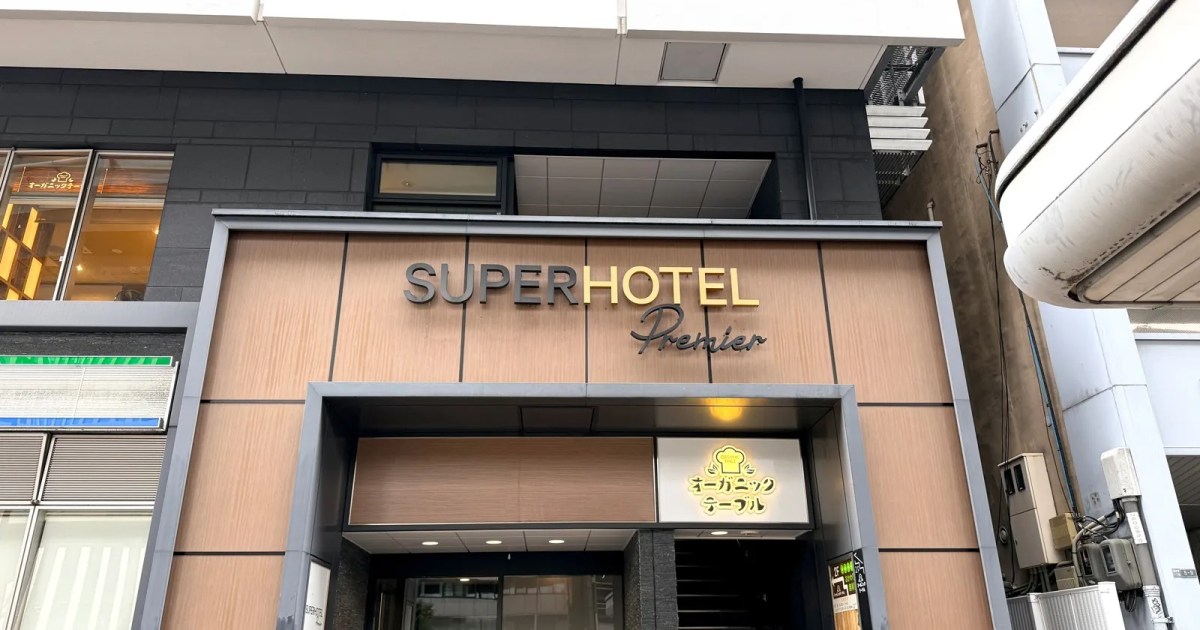
However, a fundamental disruption to this conventional wisdom is taking place in Japan’s bustling commercial capital. A recent investigative trial stay at the Super Hotel Premier Osaka Hommachi Ekimae reveals an operational philosophy that completely upends the traditional boundaries of a "room-only" booking. Situated strategically adjacent to Hommachi Station—a major transit nexus serviced by the Osaka Metro Midosuji, Yotsubashi, and Chuo Lines—this property challenges the notion that economy hotels must be devoid of indulgence.
By integrating complimentary evening welcome bars, an authentic natural hot spring sourced directly from Naniwa Onsen, custom-tailored sleep science architecture, and tech-forward friction-free check-in protocols into a baseline room-only tariff, the Super Hotel Premier Osaka Hommachi Ekimae offers a compelling case study in modern value engineering. This report provides an exhaustive, multi-dimensional analysis of the property’s infrastructure, guest experience, sleep science initiatives, and its broader implications for the future of urban hospitality.
Detailed Chronology of the Guest Experience
Arrival and Digital-First Check-In Integration
The guest journey begins long before entering a private chamber. Positioned in the heart of Osaka’s Nishi-ku district (1-5-10 Nishihonmachi), the hotel’s proximity to Shinsaibashi’s premier shopping corridor makes it an ideal launchpad for both corporate travelers and tourists. Upon ascending to the second-floor lobby, visitors are greeted not by the stark, clinical atmosphere typical of budget establishments, but by a carefully curated olfactory signature—a faint, calming botanical aroma designed to initiate the psychological de-escalation process immediately upon arrival.

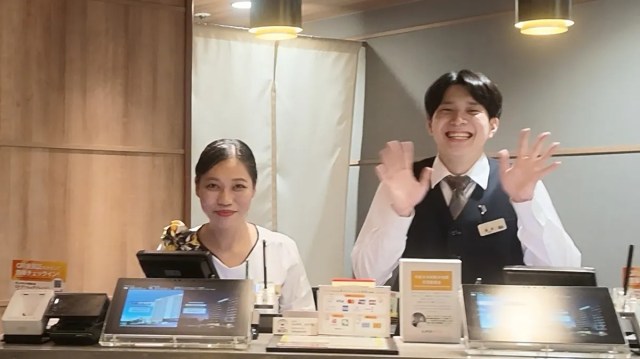
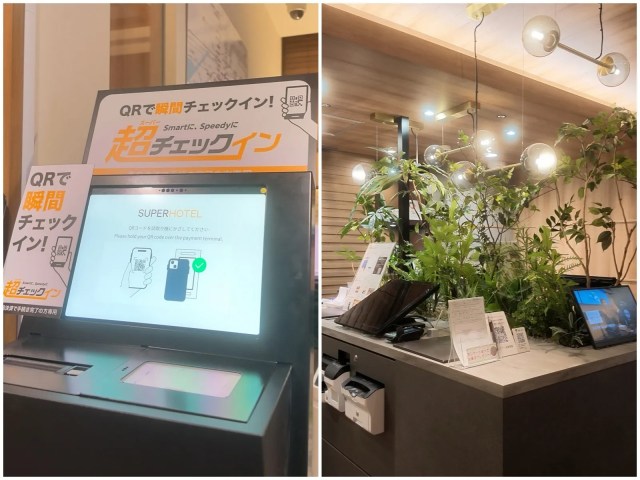
Front desk operations demonstrate a seamless fusion of high-touch Japanese hospitality and touchless automation. Guests have the option of executing a rapid, tech-forward check-in procedure via a secure QR code system or interacting directly with the multilingual front desk staff. The reception protocol is refreshingly transparent, outlining an extensive menu of complimentary services that defy the economic parameters of a standard room-only stay.
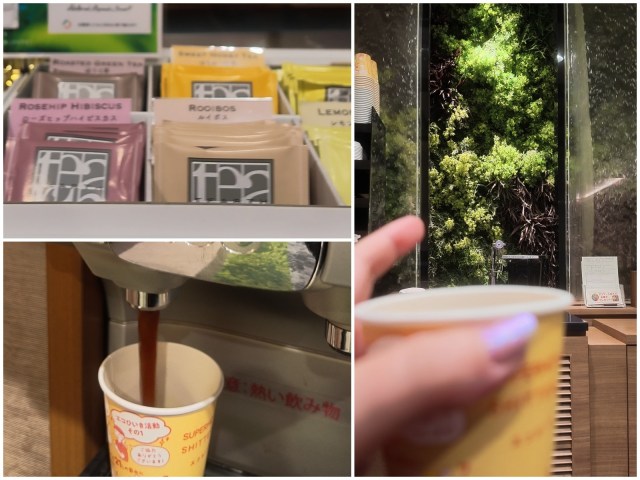
The Evening Welcome Bar: Crafting a Social Oasis
Perhaps the most surprising amenity offered at zero additional cost to room-only guests is the evening welcome bar. Rather than forcing patrons to seek out external izakayas or expensive hotel lounges for a pre-dinner drink, the property establishes a communal social hub on the second floor.
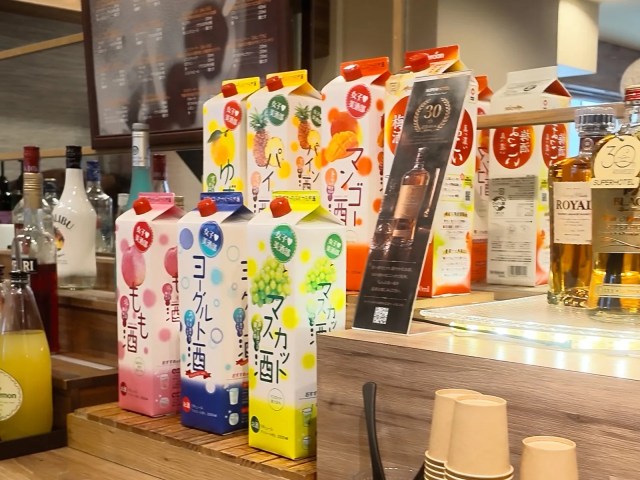
- DIY Cocktail Station: Guests are provided with an array of base spirits, mixers, and garnishes, allowing them to custom-build their preferred cocktails.
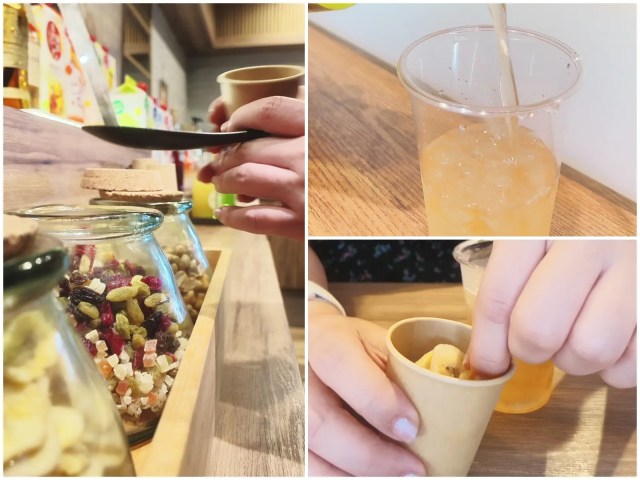
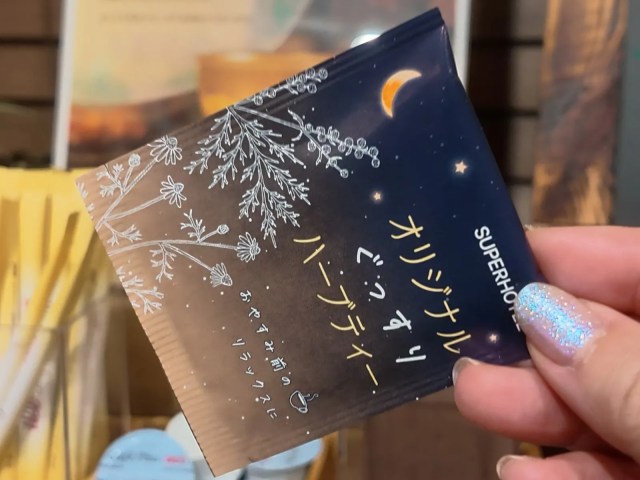
- Non-Alcoholic and Snack Selections: For those abstaining from alcohol, the station features a robust stock of artisanal soft drinks, premium teas by TEARTH, and healthy finger foods, including assorted nuts and dried fruits.
- External Food Policy: Recognizing the vibrant culinary scene of Osaka, the management permits guests to bring in external food items—be it local street fare or convenience store delicacies—to pair freely with their complimentary drinks.
As evening falls, patrons can enjoy their beverages while gazing out over the illuminated cityscape and the steady stream of urban traffic below, transforming an economy transit hotel into a sophisticated urban retreat.
Hydrotherapy and Natural Hot Spring Immersion
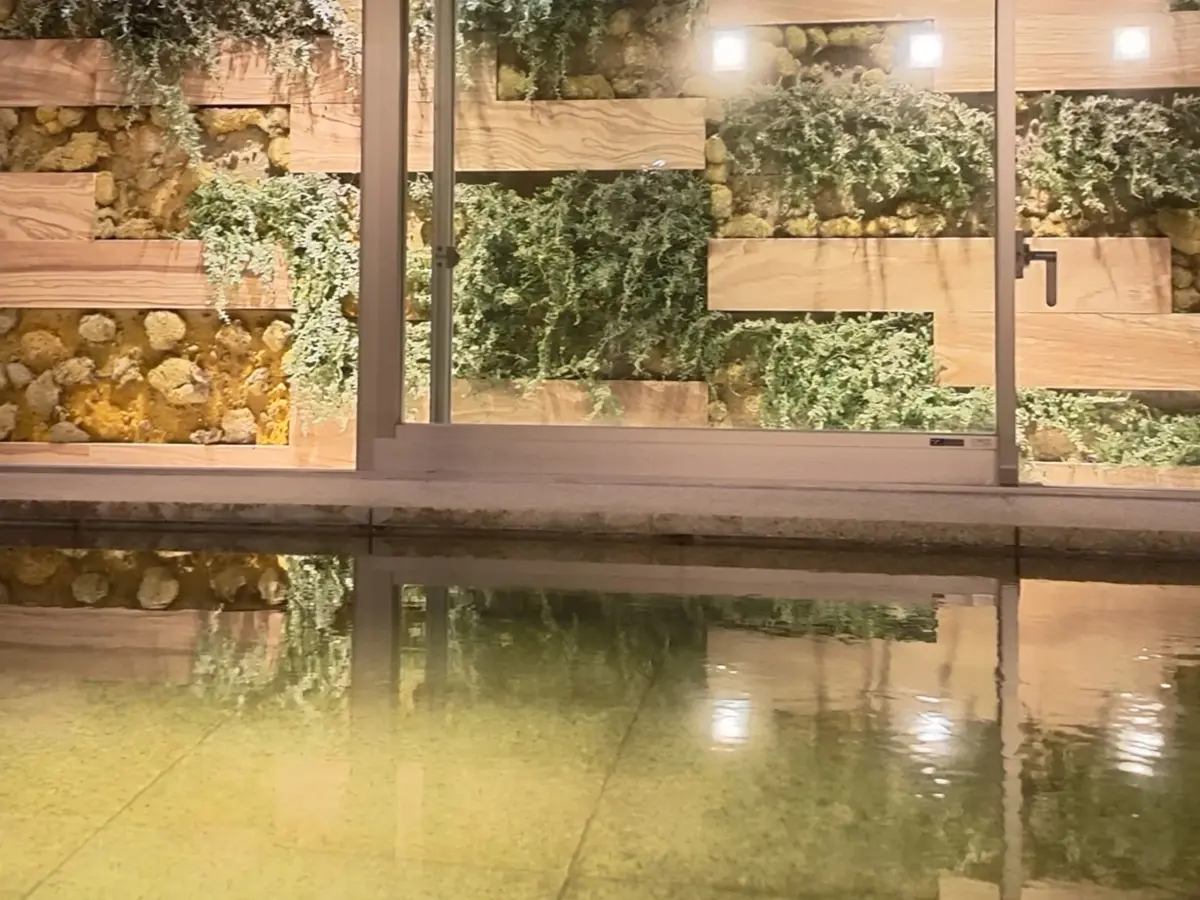
While standard business hotels offer cramped, prefab modular bathrooms, the Super Hotel Premier Osaka Hommachi Ekimae elevates hygiene to a therapeutic art form through its communal natural hot spring facility.
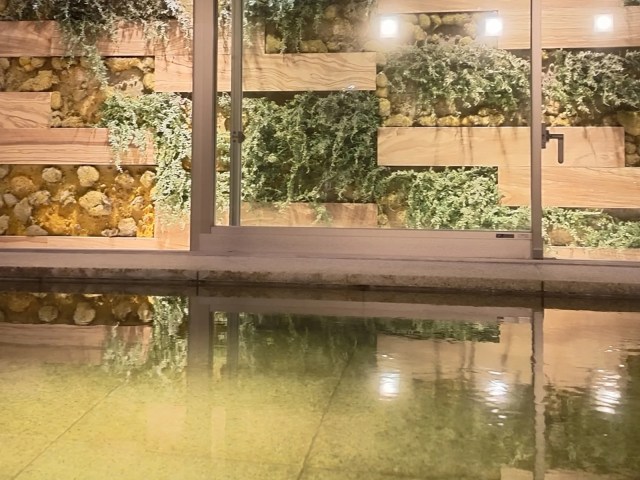
- Source Provenance: The hot water is piped in directly from the renowned Naniwa Onsen source spring.
- Beautifying Properties: Classified as a simple hot spring, the mineral-rich waters are lauded for their dermal-rejuvenating and fatigue-reducing properties.
- Real-Time Occupancy Monitoring: To prevent overcrowding, guests can monitor the bathing facility’s density directly from the interactive television screens installed in their private rooms.
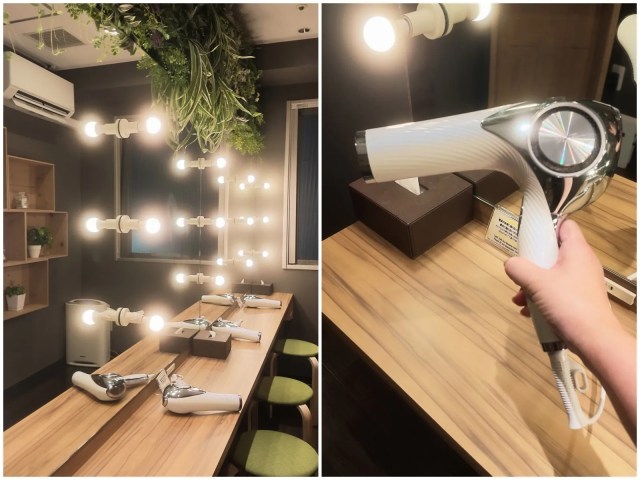
- Grooming Innovations: Post-bath protocols are enhanced by the inclusion of high-end ReFa hairdryers and specialized skin-care amenities, ensuring guests exit the bathhouse thoroughly revitalized.
Supporting Context & Metrics
The Science of Sleep: Engineering Restorative Architecture
The defining hallmark of the Super Hotel brand is its obsessive, research-backed pursuit of optimal sleep hygiene. Operating under the auspices of an internal collaborative initiative known as the Good Sleep Research Institute (Gussuri Kenkyujo), the property has systematically engineered every sensory element of the stay to induce rapid, deep, and uninterrupted rest.
[Sensory Input Optimization]
  ├── Olfactory: Calming botanical lobby aromas
  ├── Hydrotherapy: Naniwa Onsen natural hot spring immersion
  ├── Tactile: Custom-molded Jibun Makura pillows & Gussuri mattresses
  ├── Ergonomic: Specially designed original sleepwear
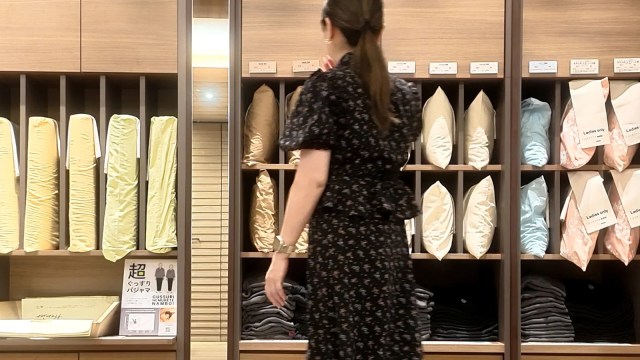
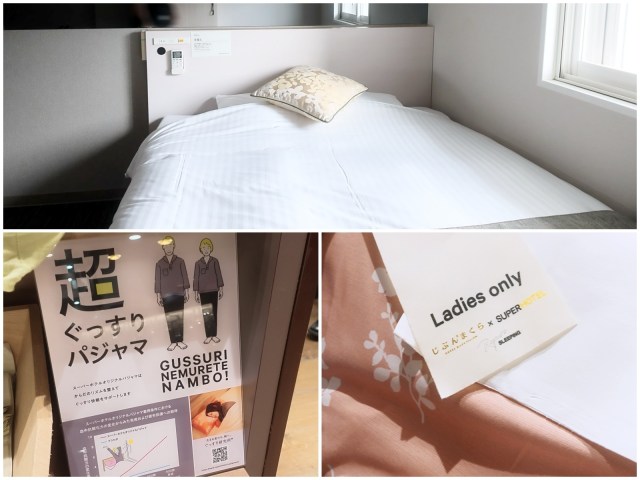
└── Environmental: Precision-calibrated room lighting & sound insulation- Custom Pillow Selection: Upon returning from the hot spring, guests visit a dedicated pillow bar in the lobby to select a headrest tailored to their ergonomic preferences regarding firmness and height. Notable among the inventory is the Mochi-Fuwa Ladies Pillow, developed in strategic partnership with custom bedding manufacturer Jibun Makura.
- Proprietary Sleep Surfaces: Beds are outfitted with original mattresses developed through university-backed ergonomic research, paired with breathable, moisture-regulating duvets.
- Apparel: Guests are provided with proprietary sleepwear engineered to minimize friction and thermal discomfort, facilitating optimal core body temperature regulation throughout the night.
Culinary Excellence: The Organic Table Breakfast Buffet
While the primary focus of the reviewed stay was the room-only package, the property also offers a comprehensive breakfast and dinner ecosystem. For an additional fee of 1,500 yen (approximately $9.49 USD), guests can access the Organic Table restaurant on the second floor.
- Nutritional Focus: The buffet heavily emphasizes locally sourced organic vegetables, balanced side dishes, and wholesome grains.
- Regional Gastronomy: To satisfy the culinary expectations of international and domestic tourists alike, the menu incorporates iconic Osaka specialties, including freshly baked takoyaki (octopus dumplings) and nikusui (a nourishing, savory beef soup born in the kitchens of Namba).
Departure Mechanics: Friction-Free Checkout
Aligning with its modern, tech-forward ethos, check-out is set at a generous 11:00 a.m.—offering a distinct advantage over competitors enforcing rigid 10:00 a.m. departures. Because room access relies on a secure passcode rather than physical keycards or metal keys, the checkout procedure requires no front-desk queuing. Guests simply deposit their room-number receipt into a designated collection box located inside the elevator, streamlining the final departure phase.
Official Statements and Industry Perspective
Hospitality analysts note that properties like the Super Hotel Premier Osaka Hommachi Ekimae represent a structural evolution in the Japanese business hotel sector. Rather than competing purely on price in a race to the bottom, mid-tier operators are investing heavily in experiential value-adds.
Industry representatives emphasize that the incorporation of wellness elements—such as natural hot springs and sleep-science architecture—transforms a commodity lodging into a destination for urban wellness. By democratizing access to high-end amenities (free-flow alcohol, professional-grade hair care, and customizable bedding), the brand has successfully captured a diverse demographic ranging from budget-conscious backpackers to stressed corporate executives seeking a restorative urban staycation.
Future Outlook
As global tourism rebounds and travelers become increasingly discerning regarding the value proposition of their accommodations, the traditional delineation between budget and luxury is blurring. The success of the Super Hotel Premier Osaka Hommachi Ekimae indicates a growing market demand for "accessible indulgence"—where essentialist pricing is paired with maximalist comfort and wellness infrastructure.
Future iterations of this model are expected to further integrate Internet of Things (IoT) technologies for personalized environmental controls within rooms, alongside expanded partnerships with local agricultural producers to enhance the farm-to-table integrity of breakfast offerings. For travelers traversing the urban sprawl of Osaka, this property establishes a new operational benchmark: proving definitively that a room-only stay no longer requires compromising on sleep, health, or sensory delight.









Belum ada komentar. Jadilah yang pertama berkomentar!