For the modern traveler navigating Japan’s world-renowned rail network, the quintessential ekiben (train station bento box) represents far more than a simple meal on the go. It is a portable cultural artifact, a carefully curated culinary snapshot of the region through which the tracks pass. JR Okayama Station—a vital transportation nexus in Japan’s Chugoku region and a major gateway for the Sanyo Shinkansen—stands as a premier destination for railway gastronomy. Boasting a rich history of bento craftsmanship that dates back to the late 19th century, Okayama Station offers an expansive array of boxed meals that showcase the fertile agricultural lands of the prefecture, the bountiful catches of the Seto Inland Sea, and a deeply entrenched local food culture characterized by bold, comforting flavors.
In November 2026, a comprehensive on-the-ground tasting review conducted by a veteran local gastronomy writer shed light on the exceptional diversity available within the station’s concourses. Evaluating texture, ingredient sourcing, historical authenticity, and flavor balance, this review highlights five standout ekiben that capture the essence of Okayama. From a sesquicentennial-plus-five anniversary celebration of traditional barazushi to hearty iterations of contemporary local soul food like ebimeshi and demi-glace katsudon, these selections offer travelers an immersive introduction to the prefecture’s culinary identity. This report provides an exhaustive, authoritative breakdown of these five recommended bento boxes, complete with contextual background on where to purchase them and how Okayama’s unique railway dining culture continues to evolve.
Detailed Chronology & Product Analysis: The Top 5 Ekiben of JR Okayama Station
The following five selections represent the pinnacle of Okayama’s railway culinary arts, curated through rigorous physical tasting and historical verification by local culinary experts.
1. Miyoshino Honten: "Premium Matsurizushi"
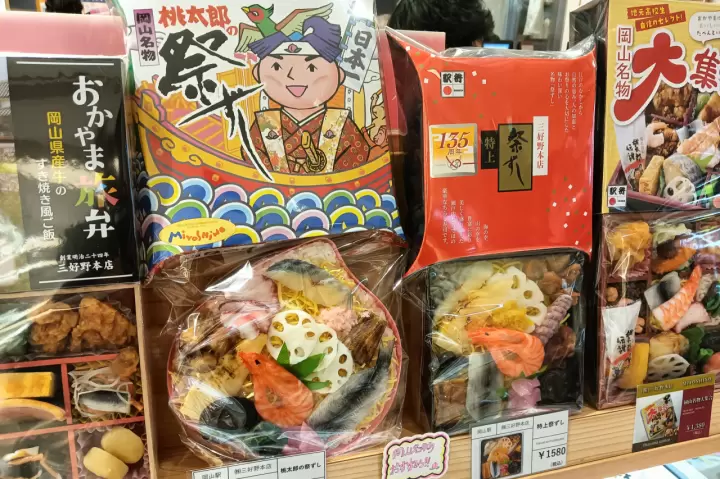
Historical Context & Significance: Miyoshino Honten holds a foundational place in Okayama’s railway history, having commenced operations as an authorized station bento vendor when JR Okayama Station first opened its doors in 1891. To commemorate the milestone 135th anniversary of Okayama Station bentos, the company revived and elevated its signature dish through the introduction of the "Premium Matsurizushi."
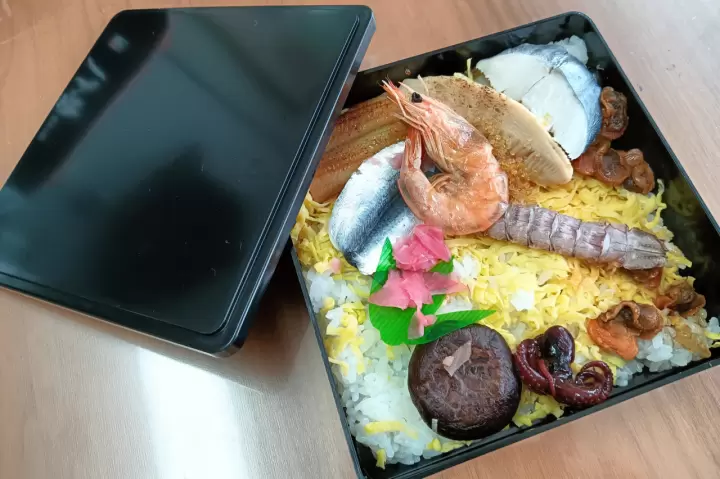
Culinary Profile & Ingredients: Traditional Matsurizushi—locally referred to as Okayama Barazushi—is an ancient regional delicacy featuring vinegared rice tossed and topped with an extravagant array of seafood and mountain vegetables. While standard iterations are famously sold in whimsical, peach-shaped containers (nodding to Okayama’s folklore hero, Momotaro), the "Premium Matsurizushi" shifts to an opulent square container styled after a traditional Japanese tiered lacquer bento box.
The Tasting Experience: The ingredient list reads like a masterclass in Setouchi gastronomy: whole head-on shrimp, thick-cut shiitake mushrooms, mantis shrimp, baby octopus, Spanish mackerel (sawara), vinegared small fish (mamakari), localized clams, and tender conger eel (anago). The foundation of the dish is forged from locally harvested "Asahi Rice," cooked meticulously in small, individualized batches to ensure optimal texture. The vinegared seasoning relies on specialty vinegar procured from "Mannen Su," a centuries-old brewing establishment located in Setouchi City. Upon tasting, the bento reveals a remarkably refreshing, elegant flavor profile where the natural sweetness of the rice cuts through the rich seafood elements. The well-seasoned clams provide a standout umami anchor, making it a masterclass in heritage preservation.
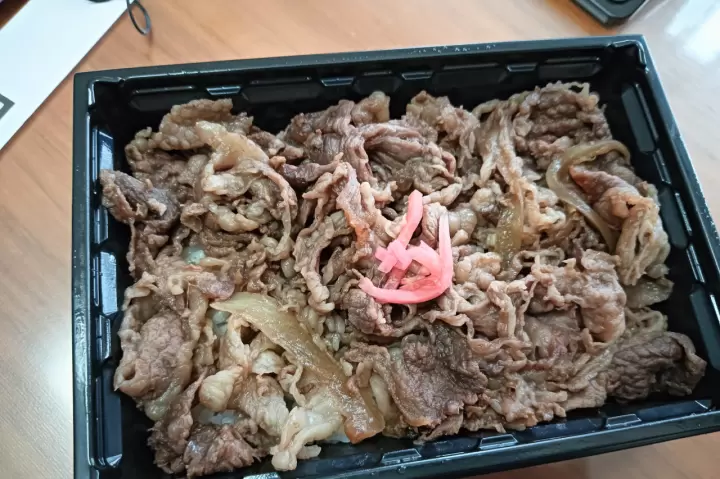
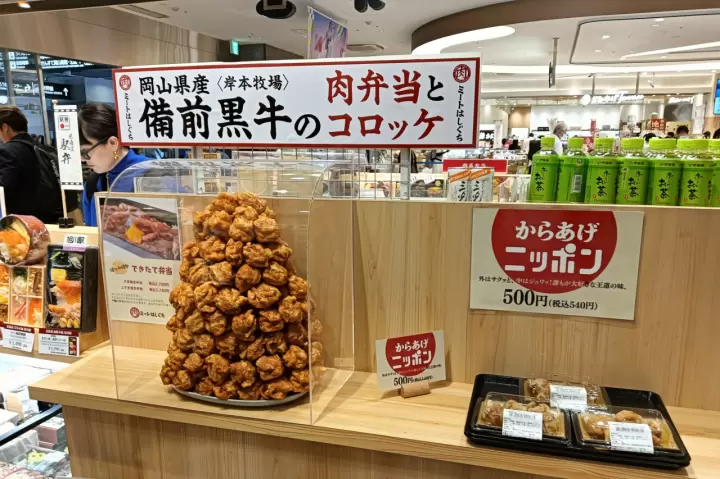
2. Meat Hashiguchi: "Nikumeshi Bento" and "Bizen Kuroushi Croquette"
Historical Context & Significance: Breaking away from traditional seafood-heavy coastal bento styles, Meat Hashiguchi—an established local butcher shop operating within Okayama Prefecture—brings the rich agricultural prowess of the region’s interior directly to the railway passenger.
Culinary Profile & Ingredients: Designed explicitly for red-meat enthusiasts, the "Nikumeshi Bento" centers on Bizen Kurogyu, a prestigious premium brand of beef native to Okayama. The composition relies on a deliberate lack of heavy, masking sauces, opting instead for a minimalist seasoning strategy.
The Tasting Experience: By restraining the use of excessive condiments, the bento allows the natural, robust flavor profile and intramuscular fat of the Bizen black beef to take center stage. The portion is substantial and deeply satisfying, complemented expertly by sharp pickled ginger (beni shoga) that cleanses the palate between bites. For travelers seeking a lighter snack or a supplementary protein boost, Hashiguchi’s accompanying "Bizen Kuroushi Croquette" is an essential purchase. Encased in a crisp, golden breadcrumb coating, the potato-and-beef mixture melts on the tongue, delivering a concentrated burst of savory beef flavor ideal for platform consumption.
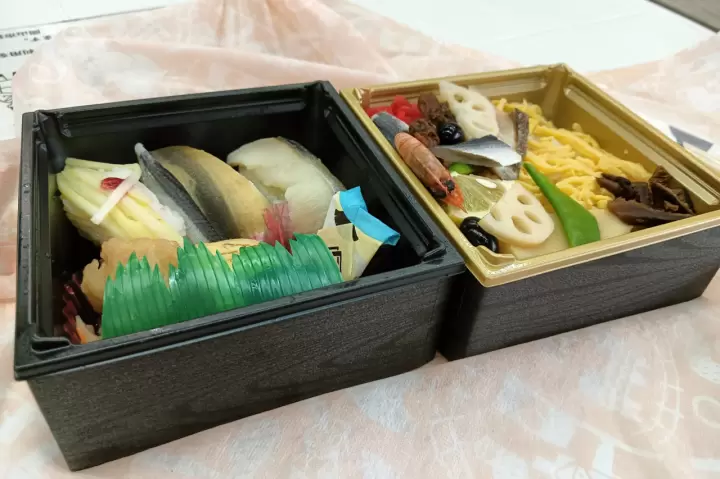
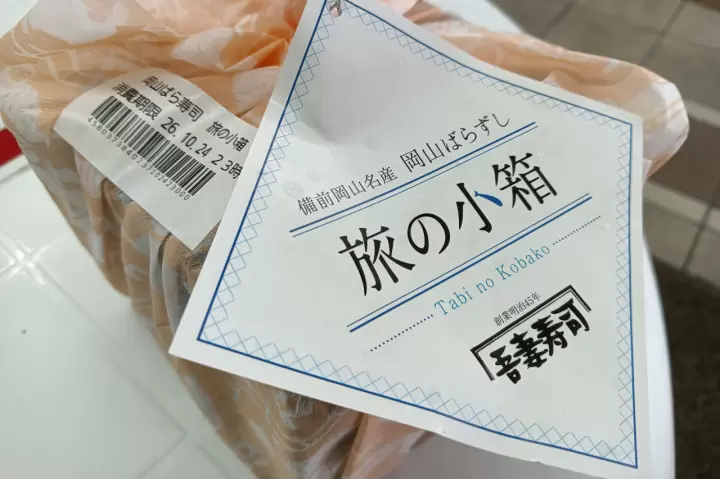
3. Azuma Sushi: "Tabi no Kobako"
Historical Context & Significance: Sourced from "Azuma Sushi," a premier dining establishment situated within Sun Station Terrace Okayama (the commercial complex directly integrated into the station structure), this bento bridges the gap between sit-down restaurant-quality sushi and high-speed rail convenience.
Culinary Profile & Ingredients: Entitled "Tabi no Kobako" (Journey’s Little Box), this curation acts as a comprehensive sampler of Okayama’s most prized sushi traditions. It pairs contemporary nigiri preparations with traditional barazushi. Key components include nigiri crafted from Okayama’s proprietary agricultural treasure—Yellow Chives (ki-nisira, grown in total darkness to yield a tender texture and mild, non-pungent allium flavor)—alongside fresh-cut Spanish mackerel and vinegared mamakari.
The Tasting Experience: The visual presentation is exceptionally striking, maintaining a vibrant color palette that signals absolute freshness. The seafood toppings are cut remarkably thick, offering a substantial bite that defies expectations of pre-packaged travel food. A thoughtful concluding touch is the inclusion of traditional Kibi Dango—a soft, pliable sweet millet mochi dumpling inextricably linked to Okayama’s cultural identity—serving as a dessert course. Given its reliance on raw fish, strict cold-chain adherence is required, making prompt consumption post-purchase imperative.
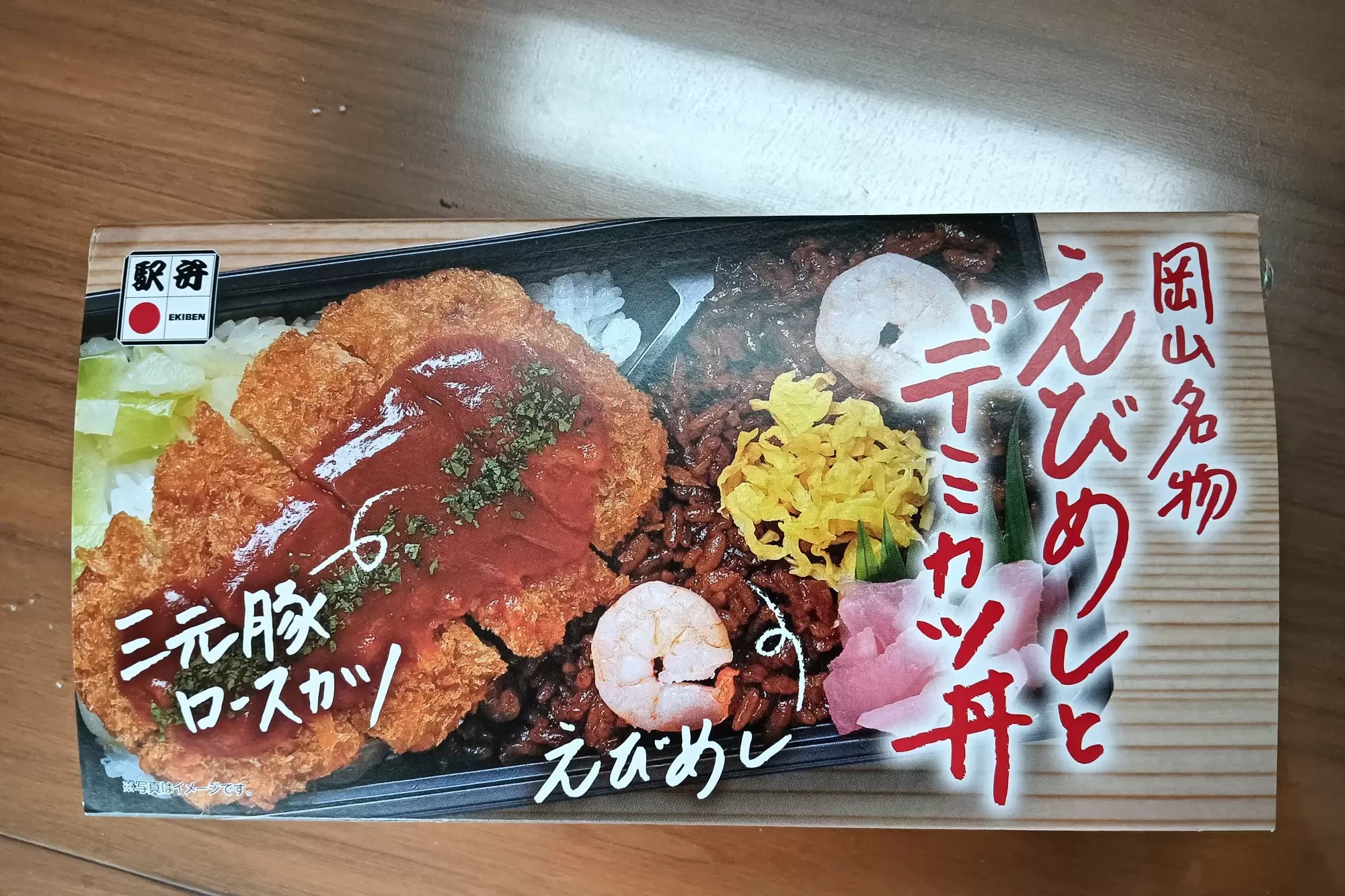
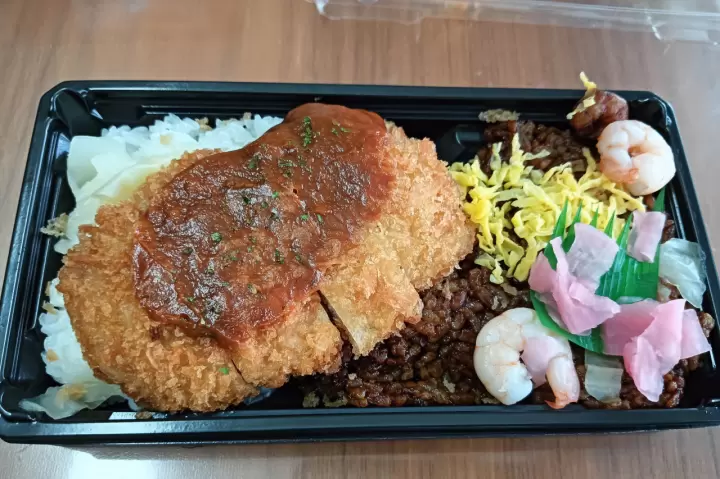
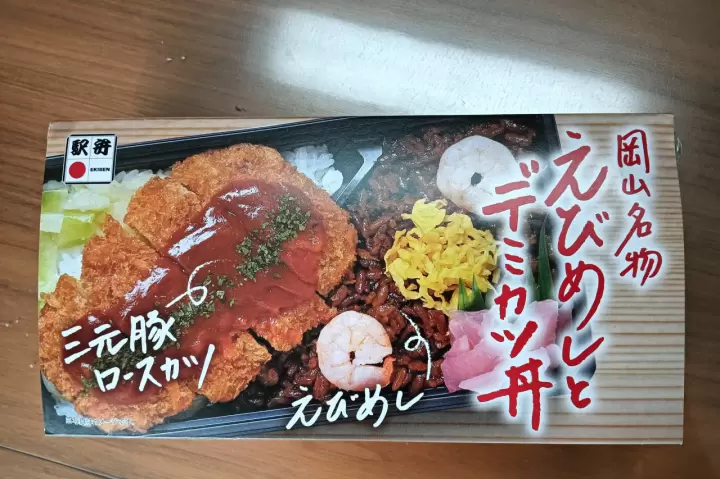
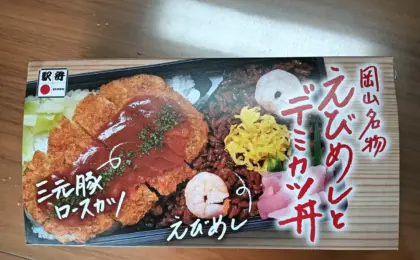
Historical Context & Significance: For travelers facing robust appetites, Miyoshino Honten offers a high-octane culinary collision featuring two distinct, fiercely defended local comfort foods unique to Okayama’s urban food scene.
Culinary Profile & Ingredients:
Ebimeshi (Shrimp Rice): A dark brown, deeply savory dish born in Okayama, created by stir-frying rice in a complex secret sauce blend of caramel, ketchup, and aromatic curry powder, tossed with plump shrimp and crowned with a delicate web of shredded thin egg crepe (kinshi tamago).
Demi-Katsudon: A distinct regional mutation of the classic Japanese pork cutlet bowl. Instead of the typical simmered egg-and-dashi broth (oyakodon style), a freshly fried, crisp tonkatsu cutlet is laid over steamed rice and drenched in a rich, velvety Western-style demi-glace sauce.
The Tasting Experience: Highlighting two carbohydrate-heavy centerpieces in a single box makes for an intensely filling meal. However, the culinary triumph of this bento lies in the calculated flavor balance: the sweet, spiced warmth of the ebimeshi provides a brilliant counterpoint to the savory, umami-laden acidity of the demi-glace pork cutlet. The writer noted an impressive lack of palate fatigue right down to the final bite, rendering it an absolute must-try for culinary adventurers.
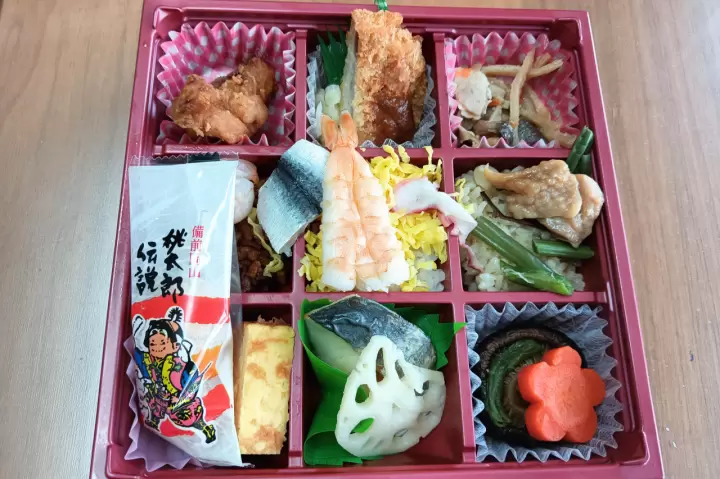
5. Miyoshino Honten, Okayama Prefectural Okayama High School, and MAFF: "Okayama Specialty Collection"
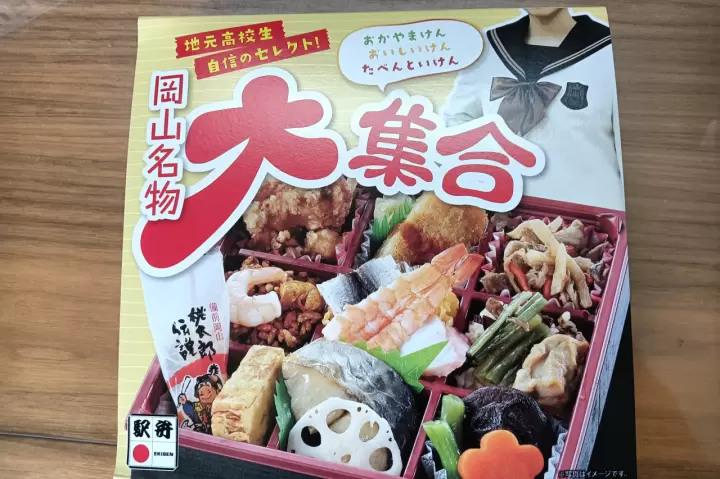
Historical Context & Significance: Representing a pioneering model of public-private-educational collaboration, this bento box was co-developed by the veteran Miyoshino Honten, students of Okayama Prefectural Okayama High School, and the Chugoku-Shikoku Regional Agricultural Administration Office under the Ministry of Agriculture, Forestry and Fisheries (MAFF).
Culinary Profile & Ingredients: Designed as the ultimate catch-all for undecided travelers, this compartmentalized box packs an astonishing variety of Okayama icons into a single container. It features fried chicken, demi-glace pork cutlet, ebimeshi, Kibi Dango-infused rice, traditional matsurizushi, sticky rice, grilled Okayama mackerel brushed with white soy sauce (shiro-shoyu), and traditional millet dumplings.
The Tasting Experience: The sheer variety ensures that no two bites offer the same flavor profile, transitioning effortlessly from rich, deep-fried meat dishes to light, acidic seafood and sweet confections. Because the compartments are cleanly separated, this bento serves as an exceptional sharing option for traveling companions who wish to sample a cross-section of the prefecture’s gastronomy simultaneously.
Supporting Context & Metrics
To fully appreciate the significance of JR Okayama Station’s ekiben culture, one must examine the operational framework that supports it. Station bento sales in Japan are heavily governed by seasonal tourism fluctuations, passenger volumes along the Sanyo Shinkansen corridor, and supply chain logistics involving local agricultural cooperatives.
Bento Name
Primary Vendor
Key Regional Ingredients
Culinary Category
Premium Matsurizushi
Miyoshino Honten
Asahi Rice, Setouchi Seafood, Mannen Vinegar
Traditional Seafood Sushi
Nikumeshi Bento
Meat Hashiguchi
Bizen Kurogyu (Black Beef)
Premium Meat
Tabi no Kobako
Azuma Sushi
Yellow Chives, Spanish Mackerel, Mamakari
Contemporary Sushi Assortment
Ebimeshi & Demi-Katsudon
Miyoshino Honten
Curry-spiced shrimp rice, Demi-glace pork cutlet
Regional Comfort Soul Food
Okayama Specialty Collection
Miyoshino Honten & Partners
Mackerel, Kibi Dango, Local Beef, Chicken
Comprehensive Multi-Item Sampler
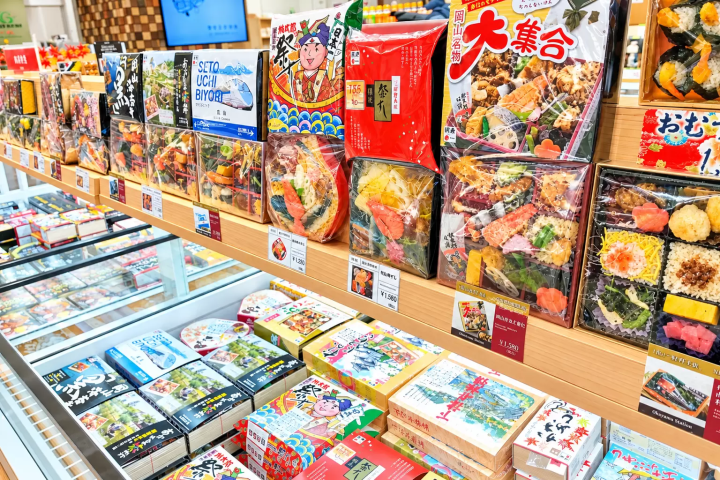
The commercial ecosystem within JR Okayama Station is strategically optimized for traveler convenience. On the second floor of the South Building within the Sun Station Terrace Okayama complex, passengers have direct access to "Tabibento Ekiben Nigiwai," a specialized railway bento emporium operating daily from 7:00 to 20:30. This facility acts as a clearinghouse not only for Okayama-specific delicacies but also for iconic railway bentos from across the Japanese archipelago. Additionally, travelers pressed for time after passing through ticket barriers can utilize the "Okayama Ekiben" shop situated directly inside the Shinkansen gates (located diagonally to the left upon entry, open 6:50 to 20:30), alongside supplementary kiosks positioned along the active Shinkansen platforms serving trains bound for Shin-Osaka and Tokyo.
Official Statements & Industry Perspectives
While formal corporate releases from railway operators often emphasize logistical efficiency, local culinary authorities and collaborating institutions view the ekiben phenomenon as an essential tool for regional revitalization.
Representatives from the Chugoku-Shikoku Regional Agricultural Administration Office of the MAFF have frequently highlighted initiatives like the "Okayama Specialty Collection" as vital models for youth-engaged agricultural education. In joint statements regarding student-led product development, agricultural ministry officials noted:
"The integration of high school academic perspectives into commercial railway catering ensures that the next generation of consumers and producers remain deeply connected to local terroir. By translating regional agricultural policies into accessible, high-quality consumer products available at major transit hubs like Okayama Station, we successfully bridge the gap between rural production and urban consumption."
Furthermore, veteran bento producers such as Miyoshino Honten emphasize the historical continuity required to maintain culinary standards across generations:
"When our company began selling bentos at the opening of Okayama Station in 1891, the philosophy was simple: provide travelers with nourishment that reflects the warmth and bounty of our home. As we celebrate milestones such as the 135th anniversary of station bentos, our commitment to sourcing locally—from Asahi rice paddies to Setouchi fisheries—remains unyielding, even as we innovate with contemporary favorites like ebimeshi and demi-katsudon."
Future Outlook
As Japan’s tourism sector continues to shatter historical inbound travel records, the role of railway gastronomy is undergoing a strategic transformation. For JR Okayama Station, the future of ekiben lies at the intersection of heritage preservation, sustainable local sourcing, and heightened consumer demand for authentic, hyper-regional dining experiences.
Looking ahead toward the late 2020s, industry analysts project a steady rise in limited-edition, collaborative bento projects that leverage regional agricultural designations (such as Bizen beef and Setouchi seafood) to attract culinary tourists. Concurrently, retail operators within Sun Station Terrace Okayama and the Shinkansen concourses are investing in improved cold-chain logistics and expanded display capacities to minimize midday stockouts—a frequent challenge given the popularity of fresh-fish products like Azuma Sushi’s "Tabi no Kobako."
Ultimately, the ekiben culture at Okayama Station proves that railway travel can transcend mere transit. By transforming the station concourse into a vibrant culinary marketplace where passengers can sample everything from 135-year-old sushi traditions to innovative high school-backed agricultural collaborations, JR Okayama Station secures its status as an indispensable destination on any Japanese epicurean itinerary. Travelers traversing the Sanyo Shinkansen corridor are strongly encouraged to arrive early, explore the dedicated bento emporiums, and carry a taste of Okayama’s rich food culture onto the rails.









Belum ada komentar. Jadilah yang pertama berkomentar!