In an ongoing effort to champion creativity, innovation, and diverse storytelling in mobile entertainment, Apple has officially launched its annual "Indie Games Week" on the App Store. The week-long celebration serves as a high-profile showcase dedicated entirely to independent developers—ranging from passionate solo creators to expanding indie studios—who continually push the boundaries of what is possible on iOS and iPadOS devices.
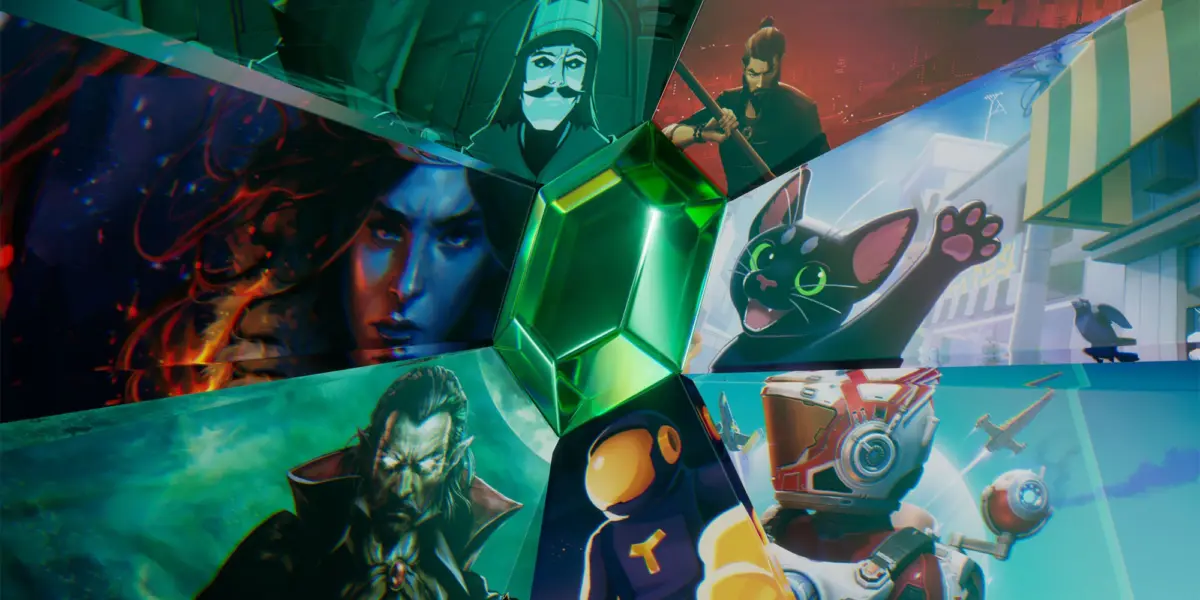
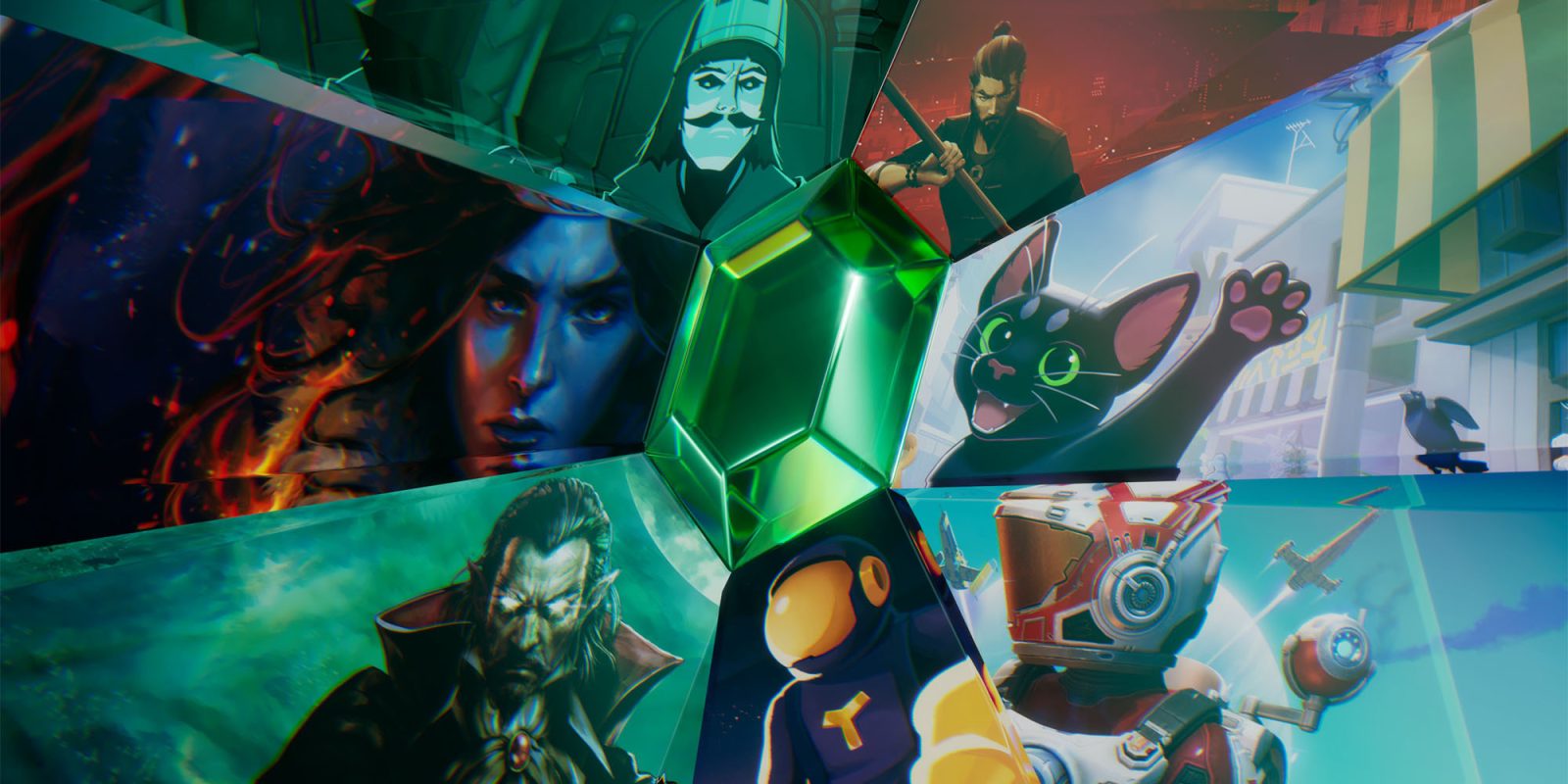
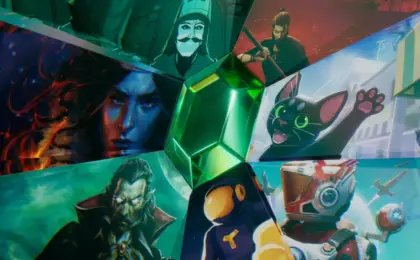
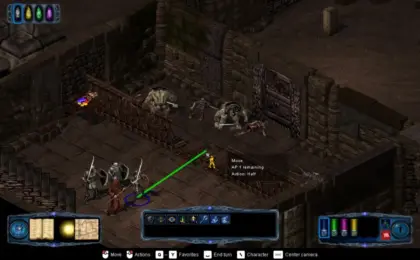
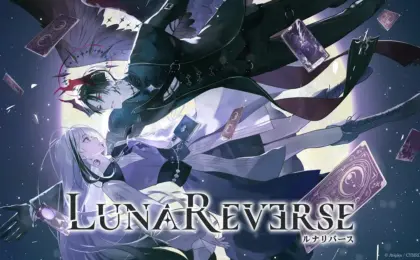
As part of this celebration, Apple is highlighting a curated selection of seven exceptional new and upcoming titles. These games represent a broad spectrum of genres, artistic styles, and narrative depths, reinforcing Apple’s long-standing commitment to providing a global stage for bold, unconventional ideas.
Independent developers have long been the beating heart of gaming innovation, often taking risks that larger triple-A publishers shy away from. By leveraging advanced hardware capabilities such as Apple Silicon, ProMotion displays, and Metal graphics, today’s indie titles offer console-quality experiences in the palm of your hand. Apple’s Indie Games Week is designed to cut through the noise of the crowded App Store ecosystem, offering players a curated gateway to discover hidden gems and support small development teams.
Detailed Chronology: The Evolution of Indie Support on the App Store
To understand the significance of Indie Games Week, it is crucial to examine how Apple’s relationship with independent developers has evolved over the lifetime of the App Store.
2008–2014: The Wild West of Mobile Gaming
When the App Store first debuted in July 2008, it revolutionized software distribution. Initially dominated by simple novelty apps and basic puzzle games, the platform quickly attracted independent developers drawn to the low barrier to entry. During this era, breakout hits like Angry Birds and Cut the Rope proved that small teams could achieve global fame. However, discoverability remained a significant hurdle, with developers relying heavily on word-of-mouth and blog coverage to gain traction.
2015–2020: The Curated Renaissance
Recognizing the need to highlight exceptional design and storytelling, Apple overhauled the App Store in 2017, introducing a human-curated "Today" tab. This shift allowed editorial teams to spotlight indie games that might otherwise be buried by algorithmic sorting based purely on download volume or ad spend. Initiatives like "Indie Game of the Year" and dedicated editorial collections gave titles like Monument Valley, Alto’s Adventure, and Florence the mainstream spotlight they deserved, proving that mobile devices could deliver emotionally resonant, artistic experiences.
The launch of Apple Arcade in 2019 further transformed the indie landscape by providing developers with a reliable revenue model free of microtransactions and ads. Alongside the subscription service, Apple began organizing targeted seasonal events—such as Indie Games Week—to celebrate premium, standalone indie releases. Today’s showcase is the culmination of years of refinement, bridging the gap between passionate creators and a global audience of hundreds of millions of active iOS users.
Supporting Context & Metrics: The Economic and Creative Impact of Indie Games
The mobile gaming market generates tens of billions of dollars annually, but the lion’s share of traditional marketing budgets goes to massive publishers with live-service franchises. Independent developers operate in a vastly different landscape, where creative freedom takes precedence over mass-market appeal.
The Power of Apple Silicon and Metal
Modern iPhones and iPads possess computational power that rivals traditional gaming consoles. Apple’s continuous hardware advancements—such as hardware-accelerated ray tracing on the A-series Pro chips—have empowered indie developers to bring visually stunning, complex game worlds to mobile devices without compromising performance or battery life. Titles that were once exclusive to PC and home consoles are now seamlessly transitioning to iOS, expanding the addressable market for indie studios.
Discoverability and the Global Stage
With millions of applications available on the App Store, discoverability is the single greatest challenge facing independent studios. Data shows that curated editorial features can result in exponential download spikes, often serving as a life-or-death turning point for small teams that have poured years of personal savings and labor into their projects. Events like Indie Games Week act as a vital equalizer, ensuring that brilliant design and compelling narratives are recognized regardless of a developer’s marketing budget.
Official Statements and Industry Perspective
Apple’s leadership has consistently emphasized the vital role that independent creators play in shaping the future of interactive entertainment. Highlighting this philosophy, Carson Oliver, Apple’s head of App Store Worldwide, shared the following insights in the official press release:
"Indie games are constantly pushing the boundaries of creativity to deliver unique gameplay experiences to Apple users, and we wanted to take a moment to celebrate these games and the teams that take creative risks to push gaming forward. Whether from a solo developer or a growing studio, the App Store gives bold ideas a global stage — turning daring visions into worldwide hits. We’re thrilled with the incredible games launching on the App Store this week and amazed by their breathtaking artistry, brilliant design, and deeply moving stories."
Industry analysts note that such endorsements carry substantial weight. When Apple places a spotlight on indie developers, it not only drives immediate commercial success for the featured titles but also validates the platform as a serious destination for mature, artistic, and narrative-driven gaming.
Future Outlook: What Lies Ahead for Mobile Indie Development
As we look toward the future of mobile gaming, the intersection of independent creativity and advanced Apple hardware points toward an exciting horizon.
Cross-Platform Parity: With technologies like Apple’s Game Porting Toolkit and powerful cross-platform engines like Unity and Unreal Engine, the friction between developing for PC/consoles and iOS continues to shrink. We can expect to see simultaneous multi-platform launches become the norm for indie studios.
Spatial Computing and VisionOS: The introduction of Apple Vision Pro opens entirely new frontiers for independent developers. Spatial computing allows for immersive, interactive indie experiences that break out of traditional rectangular screens, offering unprecedented ways to tell stories and engage players.
Subscription Models and Fair Compensation: Programs like Apple Arcade will likely continue to evolve, offering indie developers sustainable funding models that protect them from the volatility of free-to-play monetization strategies.
Apple’s Indie Games Week is more than just a promotional banner on the App Store; it is a celebration of human imagination and perseverance. By continuing to champion the underdogs of the gaming industry, Apple ensures that the App Store remains a vibrant ecosystem where bold ideas can flourish into global phenomena.
Are you planning to check out any of Apple’s featured indie games this week? Let us know your most anticipated titles in the comments below!







Belum ada komentar. Jadilah yang pertama berkomentar!