

Executive Overview
As the scorching days of late summer yield to the crisp breezes of the equinox, Japan’s culinary landscape undergoes its annual autumnal transformation. Fast-food chains, bakeries, and high-end restaurants alike begin rolling out limited-edition menus dedicated to Tsukimi—the centuries-old Japanese harvest moon-viewing festival, which falls on September 25 this year. While consumer expectations typically lean toward traditional seasonal confections or modern fusion pizzas featuring sliced, fried, or raw eggs designed to symbolize the luminous full moon, Domino’s Pizza Japan has detonated convention.
In a startling pivot that has left food critics and casual diners alike rubbing their eyes in disbelief, Domino’s is pushing its core product—pizza—to the periphery. Instead, the global pizza titan is placing a colossal, towering mound of egg tarts front and center for its 2026 autumn campaign.
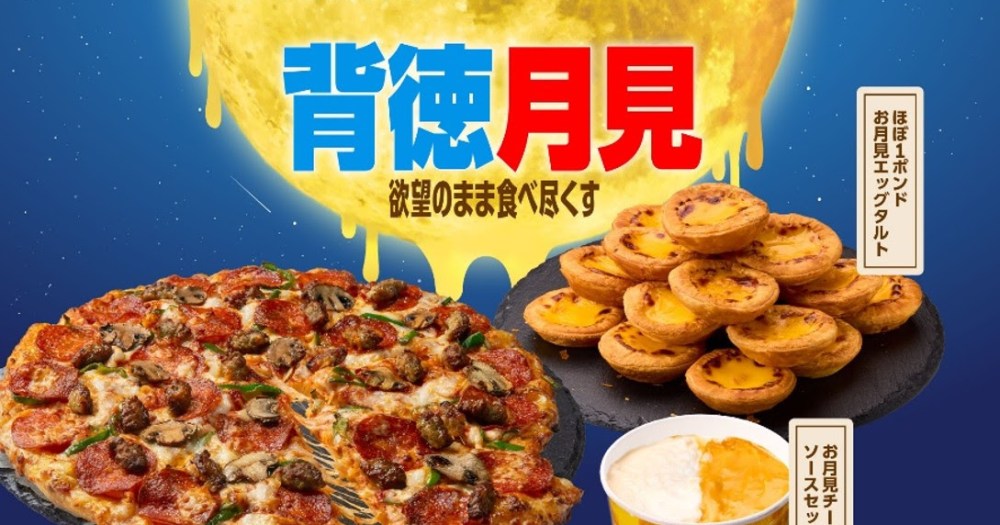
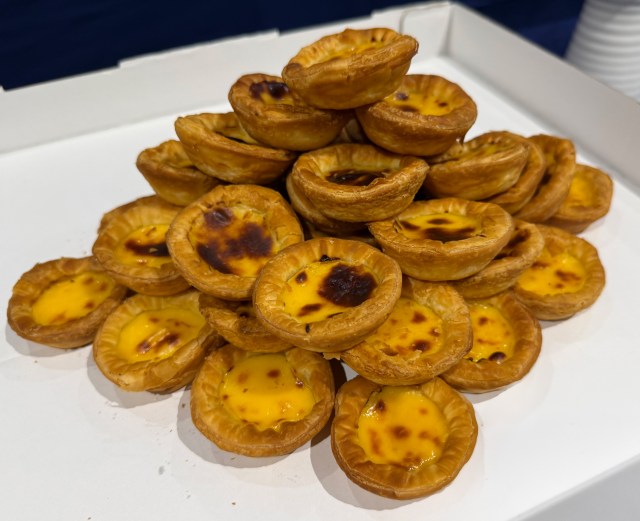
By marrying ancient Japanese ritual with unbridled modern fast-food indulgence, Domino’s is introducing the "Almost One Pound Egg Tart" and the "Almost A Kilo Moon Viewing Egg Tart." These offerings playfully reimagine the historical tsukimi dango (moon-viewing dumplings) stacked in ritualistic pyramids. Served in specially designed boxes modeled after traditional three-legged sanbo stands, this audacious promotion defies traditional marketing logic. Yet, according to company executives, it is a calculated masterstroke designed to capitalize on autumn as the definitive "season of appetites." Available across Japanese branches from August 31 through September 30, this campaign also features an ultra-rich, cheddar-and-Camembert Otsukimi cheese sauce, cementing Domino’s reputation as one of the most creatively disruptive fast-food innovators in the world.
Detailed Chronology: From Ancient Harvest Rituals to Fast-Food Innovation
To understand the magnitude of Domino’s current gambit, one must trace the evolution of Tsukimi—also known as Chushu no Meigetsu (the mid-autumn moon)—and its deep integration into Japanese gastronomy.
The Historical Roots of Tsukimi
Originating during the Heian period (794–1185), when aristocrats would gather to poetry-read and boat-ride beneath the mid-autumn harvest moon borrowed from Chinese traditions, Tsukimi eventually trickled down to the agrarian populace. For farmers, the full moon was not merely an aesthetic marvel; it was a divine symbol of a successful harvest. To express gratitude to the deities, communities would display offerings on wooden trays known as sanbo.
At the center of these offerings were tsukimi dango—pure white, bite-sized rice dumplings stacked into a pyramidal mound, symbolizing the moon, health, and happiness. Alongside the dango, offerings typically included seasonal produce such as taro roots, chestnuts, and pampas grass (susuki), which were believed to invite protective spirits to protect the upcoming harvest.
The Modern Fast-Food "Eggfication" of Tsukimi
Over the centuries, the culinary lexicon of Tsukimi expanded. Because a golden, round egg yolk bears an uncanny resemblance to the radiant harvest moon, Japanese food culture naturally gravitated toward incorporating eggs into seasonal dishes. Fast-forward to the 20th and 21st centuries, and the Japanese subsidiaries of global and domestic chains—ranging from McDonald’s (with its legendary Tsukimi Burger) to Udon noodle houses and pizza joints—began heavily leaning into the "egg-as-moon" motif.
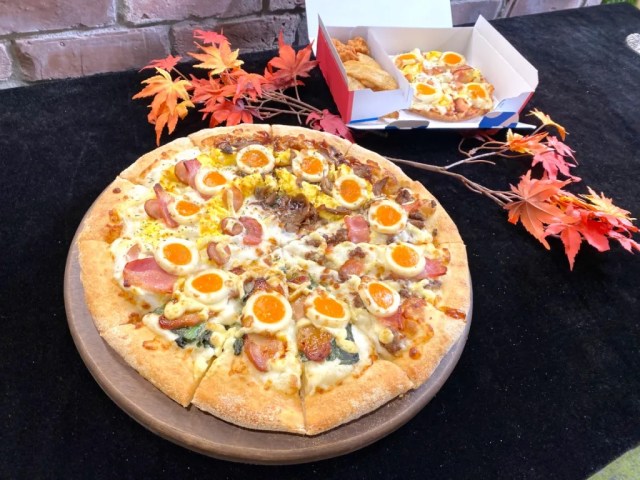
For pizza chains like Domino’s Japan, this traditionally meant rolling out specialized pies adorned with sliced or poached eggs. For instance, the chain’s 2024 moon-viewing menu featured dedicated pizzas decorated with carefully arranged slices of egg to emulate the celestial body.
The 2026 Paradigm Shift
However, as planning for the autumn 2026 season commenced, Domino’s creative development teams faced a saturated market. Every fast-food competitor in the archipelago was guaranteed to launch an egg-topped burger, sandwich, or pizza. To cut through the noise, Domino’s decided to look backward to the original pyramid structure of tsukimi dango while looking sideways at an entirely different comfort food: the custard egg tart.
Rather than scattering eggs across a flat pizza crust, the company engineered a high-volume, structural dessert offering. By stacking dozens of freshly baked, flaky, custard-filled egg tarts into towering ziggurats, Domino’s effectively hijacked a traditional ritual, replacing rice flour with flaky pastry and sweet egg custard.
Supporting Context & Metrics: Breaking Down the "Almost One Pound" and "Kilo" Collections
The centerpiece of Domino’s 2026 autumn campaign relies on scale, shock value, and sheer caloric indulgence. The company has structured its egg tart offerings into two distinct, gargantuan tiers designed for sharing during autumn gatherings.
The Product Lineup
-
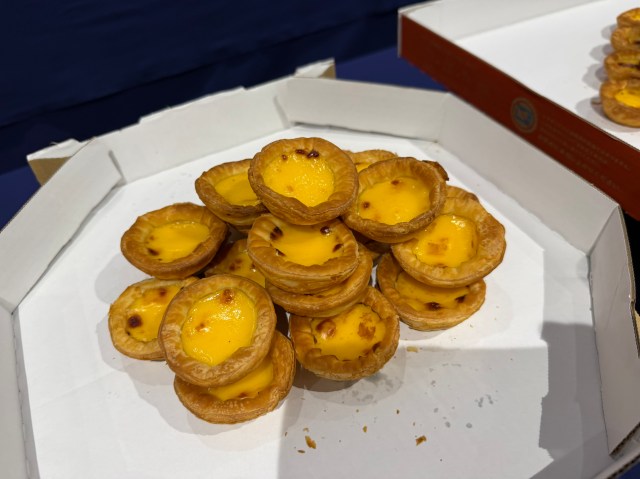
The "Almost One Pound Egg Tart"
- Price: 2,399 yen (approximately US$15.06)
- Capacity: Contains exactly 20 individual egg tarts.
- Design: Stacked meticulously in a multi-tiered formation mimicking the traditional dango pyramid.
- Packaging: Housed in custom delivery boxes inspired by the sanbo—the sacred three-legged wooden stand traditionally used for shrine offerings.
-
The "Almost A Kilo Moon Viewing Egg Tart"
- Price: 4,099 yen
- Capacity: Contains an astounding 40 individual egg tarts.
- Design: An even larger, structurally ambitious pyramid designed for large family gatherings, office parties, or hardcore dessert enthusiasts.
- Note on Metrics: For international observers navigating metric conversions, one pound is roughly equal to 0.45 kilograms, while a full kilo scales up to approximately 2.2 pounds of pure, baked custard pastry.
The Engineering of the Delivery Egg Tart
A critical operational hurdle for Domino’s was maintaining product integrity during transit. Egg tarts are notoriously delicate; their flaky, laminated pastry crusts and trembling custard centers are prone to collapsing or becoming soggy if mishandled.
To overcome this, Domino’s utilizes its existing high-temperature pizza ovens. The tarts are baked fresh in-store, achieving a caramelized, golden-brown top while preserving a silky interior. They are then locked into structural, ventilated sanbo-themed boxes that prevent the pyramid from shifting during motorcycle delivery across Japan’s bustling urban centers.
While Domino’s regularly sells these egg tarts in modest sets of three as an understated menu side, they have historically remained a well-kept secret among frequent patrons. By scaling them up into industrial-sized pyramids, the brand is successfully forcing its dessert menu into the spotlight.
Official Statements & Press Insights
The audacity of the campaign became immediately apparent during the grand press unveiling in late August. Reporters and food industry analysts gathered to inspect the menu, leading to sharp exchanges between the press corps and Domino’s corporate leadership.
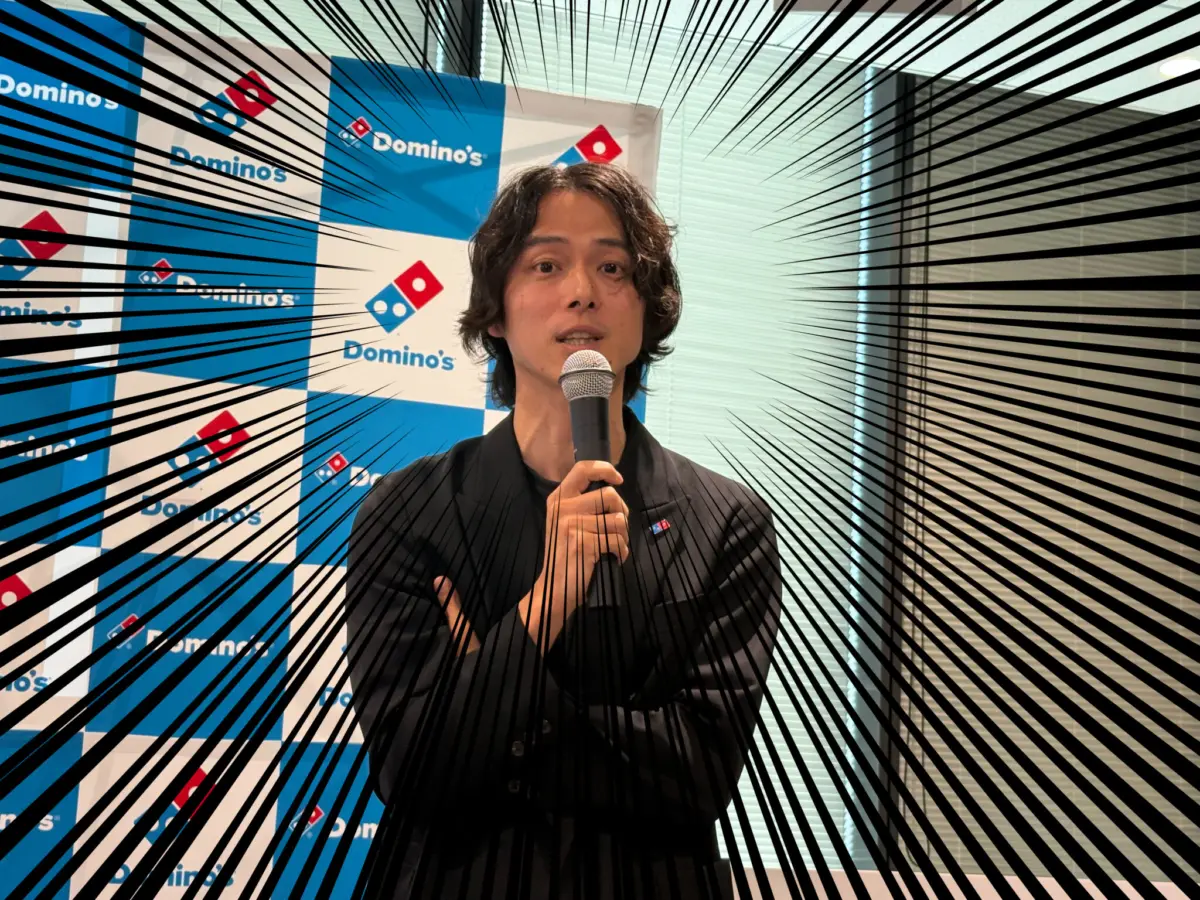
During the Q&A session, SoraNews24 reporter P.K. Sanjun pressed Domino’s Brand Manager, Morita, on the commercial viability of such an eccentric product.
"Do you really think a pound of egg tarts will sell?" Sanjun asked directly.
Without skipping a beat, Brand Manager Morita offered an unshakeable response:
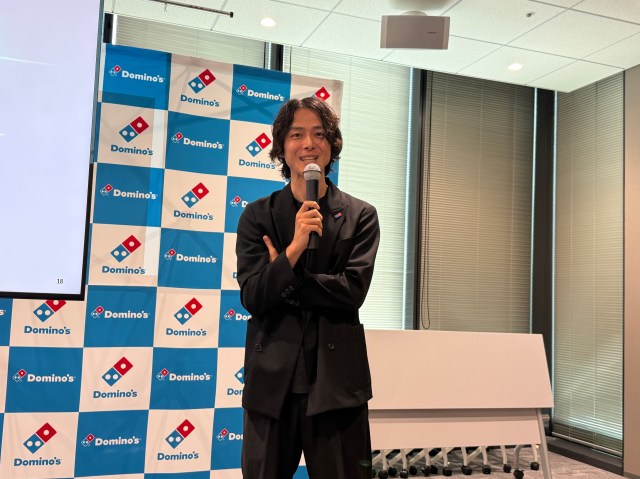
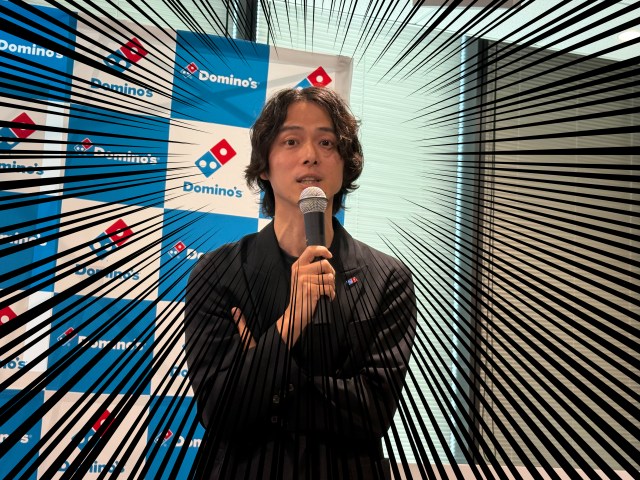
"Yes, we absolutely think they will!"
Morita elaborated on the strategic philosophy driving the 2026 campaign. In Japanese culture, autumn is traditionally celebrated as Shokuyoku no Aki—the "Season of Appetites"—a period when the comfortable weather invites heartier eating and a higher caloric intake. Morita noted that while the average consumer might not typically sit down to consume twenty or forty egg tarts in a single sitting under normal circumstances, the autumn festival climate creates a psychological window for novelty, festivity, and intentional over-indulgence.
The Companion Piece: The Otsukimi Cheese Sauce
Recognizing that the vast majority of its loyal customer base still approaches Domino’s primarily for pizza, the chain wisely refused to abandon savory offerings entirely. Alongside the egg tart pyramids, Domino’s is releasing a limited-edition Otsukimi Cheese Sauce.
Presented in a perfectly round container deliberately styled to evoke the glowing full moon, this sauce is a heavy-hitting blend of sharp cheddar and earthy Camembert cheeses. According to corporate consumer research cited during the presentation, Domino’s discovered a direct, linear correlation in customer satisfaction: the greater the volume of cheese provided, the higher the brand affinity.
Even though this cheese sauce contains no actual egg, its rich, savory, umami-laden profile bridges the gap between traditional cheese-loving pizza consumers and the seasonal moon-viewing theme. As corporate marketing materials cheekily noted, the profound cheesiness of the tub is guaranteed to leave customers feeling "over the moon."
Future Outlook: What This Means for Fast-Food Marketing in Japan
Domino’s Japan’s 2026 Tsukimi campaign is more than just a quirky local news item; it serves as a fascinating case study in localized fast-food marketing and cultural adaptation.
In recent years, foreign multinational fast-food chains operating in Japan—such as McDonald’s, KFC, Burger King, and Domino’s—have realized that bland standardization is a recipe for failure in one of the world’s most sophisticated culinary markets. Japanese consumers actively anticipate seasonal adaptations. Brands that lean into cultural touchstones with creativity, humor, and aesthetic dedication are heavily rewarded with viral social media engagement, earned media, and foot traffic.
By taking a historical harvest ritual (tsukimi dango), filtering it through a non-traditional medium (egg tarts instead of rice dumplings), and scaling it to absurd, shareable proportions (the 40-piece kilo box), Domino’s has successfully transformed a routine seasonal marketing obligation into a national conversation piece.
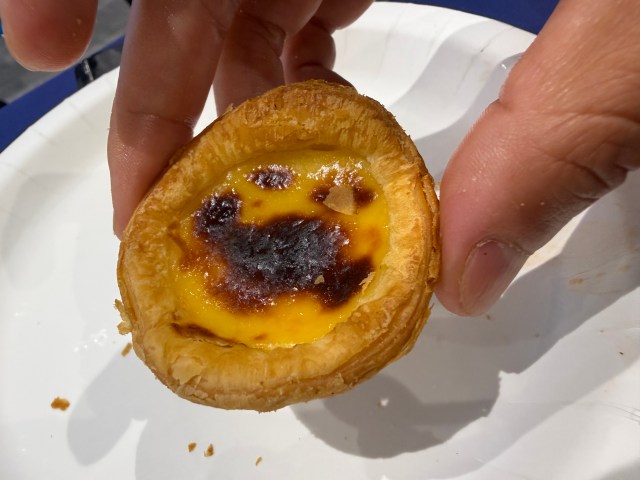
Whether the "Almost A Kilo Moon Viewing Egg Tart" becomes a permanent fixture or remains a fleeting autumnal fever dream, it has undeniably pushed the boundaries of what a pizza delivery chain can—and will—attempt in the name of seasonal celebration.
The limited-edition Tsukimi egg tart pyramids and Otsukimi cheese sauce will be available at participating Domino’s Pizza locations across Japan from August 31 through September 30, 2026.








Belum ada komentar. Jadilah yang pertama berkomentar!