

Executive Overview
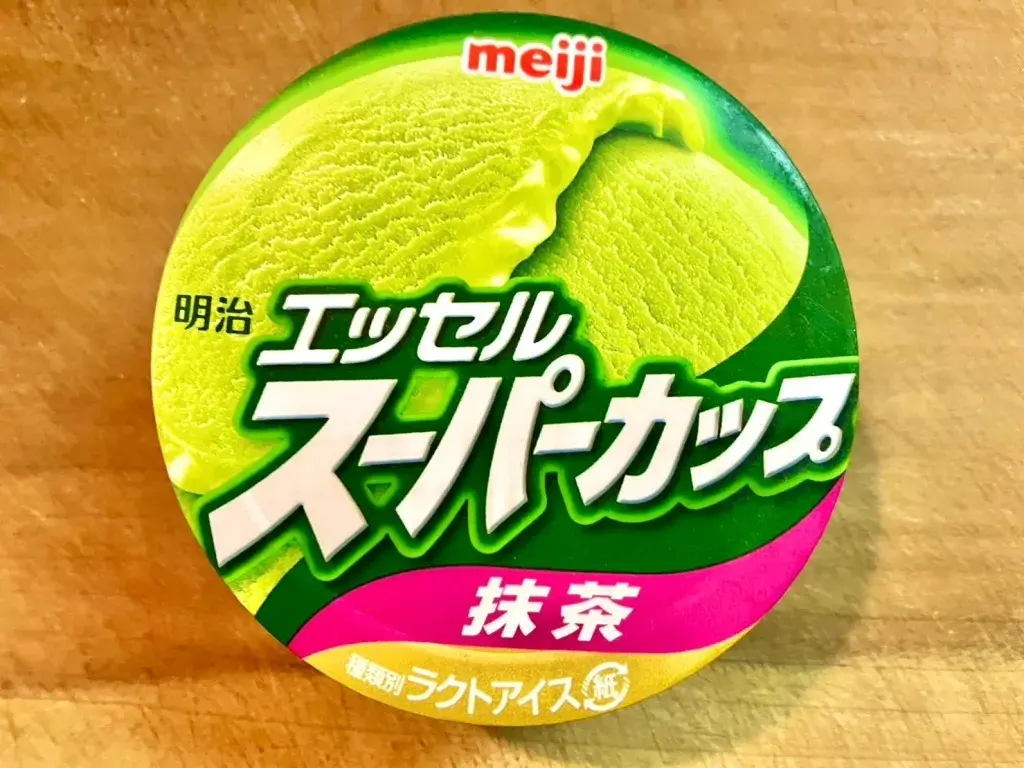
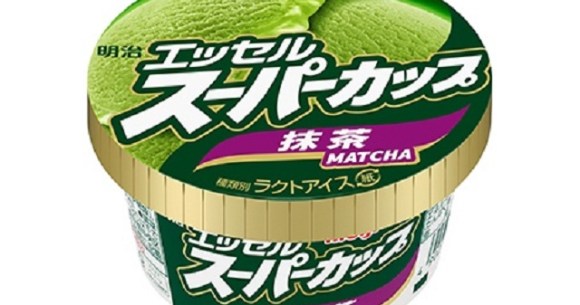
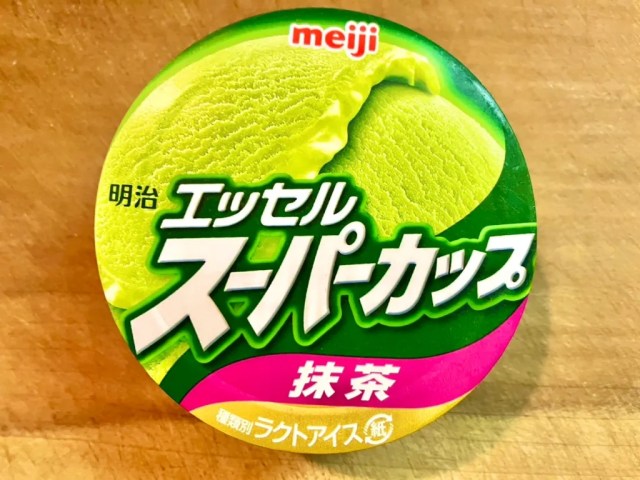
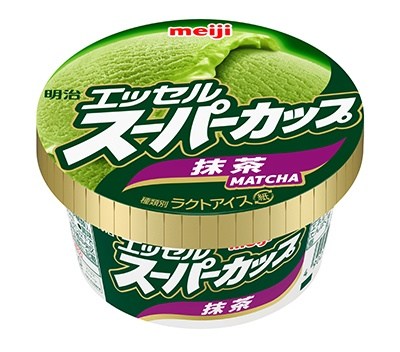
In a development that has sent ripples of dismay through Japan’s confectionary landscape, confectionery giant Meiji has quietly pulled the plug on one of its most steadfast and beloved frozen dessert offerings. The matcha-flavored Essel Super Cup, a staple of convenience store freezer cases and a comforting fixture of Japanese daily life since its introduction in 2002, has been officially discontinued.
For nearly a quarter of a century, the bright green tub represented an unbeatable intersection of mass-market affordability and rich, authentic flavor. While the broader Meiji Essel Super Cup portfolio remains robust—boasting dependable staples such as vanilla, chocolate cookie, strawberry, cookies and cream, and eccentric rotational flavors like blueberry rare cheesecake—the sudden retirement of green tea marks a profound cultural loss.
The decision brings a definitive end to a 24-year continuous run. As remaining stock flies off supermarket and konbini (convenience store) shelves across the archipelago, heartbroken consumers have taken to social media to voice their grief, transforming a corporate inventory shift into a nationwide display of lactose-induced mourning. Although Meiji has remained tight-lipped regarding the precise corporate calculus behind the decision, industry analysts point to a compounding storm of global supply chain pressures, skyrocketing raw material costs, and the unprecedented international commodification of Japanese green tea.
Detailed Chronology: The Unraveling of a Freezer Staple
The phasing out of the matcha Super Cup was not announced with a dramatic press conference or an elaborate marketing campaign; rather, it was unrolled in stages, leaving consumers and industry watchers to piece together the timeline of a slow-moving corporate parting.
The Initial Warning Signs
Rumors of the flavor’s demise began circulating earlier in the year. In April, Meiji quietly signaled to the market that it would be winding down production of the green tea variety. However, at the time of the initial advisory, the company omitted a hard deadline, leaving fans uncertain of how much runway the beloved ice cream had left.
As the months pressed on, the product’s digital footprint began to vanish. Visitors to the official Meiji corporate website navigating to the standard ice cream catalog found themselves scrolling past an array of colorful tubs—vanilla, caramel, mint chocolate—only to realize matcha was missing from the primary lineup. Locating the product now required navigating to a direct URL, where a sobering product description greeted prospective buyers: "Discontinued product." The accompanying text added the finality that consumers dreaded: "Depending on inventory levels, this product may no longer be available at certain retailers."
Conflicting Production Timelines
Pinpointing the exact moment the final batch of matcha ice cream rolled off the manufacturing line has proven surprisingly difficult, muddled by conflicting administrative records:
- The Official Website Typo: The current product page on Meiji’s site states that production officially ceased in February 2026. However, industry observers quickly noted that this date creates an awkward paradox, preceding Meiji’s own initial public acknowledgment of the phase-out by two months.
- The Summer Cutoff: Investigative reports from Japanese gaming and lifestyle outlets such as Denfaminico Gamer and Gokujo no Sweets have offered a more plausible timeline, indicating that factory lines actually fell silent this past August.
Regardless of the exact calendar date, the reality is unambiguous: no new units are being manufactured. Adding insult to injury, Meiji confirmed that its multi-pack mini-sized Super Cup combo packs—which paired matcha alongside chocolate cookie—have similarly been relegated to the "get-it-while-you-can" inventory list. Once existing regional stocks run dry, these combo packs will vanish alongside the standalone tubs.
Supporting Context & Metrics: The Economics of the Budget Tub
To understand why Meiji would willingly part ways with a 24-year heritage product, one must examine the unique positioning of the Essel Super Cup brand within the fiercely competitive Japanese frozen dessert sector.
The Super Cup Philosophy
Launched in 1994, Meiji’s Essel Super Cup revolutionized the Japanese ice cream market by introducing a high-volume, rich-tasting dessert at a remarkably accessible price point. The word "Essel" is a portmanteau coined by Meiji, combining concepts such as "Excellent," "Essential," and "Essence," while "Super Cup" nodded to the generous 200-milliliter portion size that dwarfed competitors in the same price tier.
For decades, the standard Super Cup has anchored itself at around 150 yen (approximately $0.95 USD). In a market sharply divided between ultra-luxury imports like Häagen-Dazs and cheap, icy novelty popsicles, the Super Cup carved out a golden middle ground. It offered a dense, satisfying texture—classified in Japan as lacto-ice, meaning it contains a lower milk fat percentage than premium ice cream, compensated for by vegetable oils—without breaking the bank.
The Global Matcha Squeeze
This budget-friendly pricing model, however, is precisely where the matcha variant met its undoing. While vanilla, chocolate, and strawberry rely on globally abundant, stable commodity ingredients, authentic culinary- and ice-cream-grade matcha is subject to entirely different market pressures.
In recent years, matcha has transcended its traditional Japanese roots to become a global wellness and culinary phenomenon. From London to New York, cafes and confectioneries are driving unprecedented international demand for Japanese green tea powder. This surge in global consumption has severely strained supply chains, leading to a rapid escalation in the wholesale cost of quality matcha leaves.
For a premium brand with flexible pricing, absorbing rising ingredient costs is a straightforward matter of adjusting retail prices upward. For a mass-market product like the Essel Super Cup—where maintaining the psychological 150-yen price ceiling is critical to retaining its core demographic of students, budget-conscious office workers, and families—the math no longer worked. Analysts suggest that the profit margins on the matcha Super Cup were squeezed to vanishing points, forcing Meiji’s executives to make the pragmatic, if painful, decision to sacrifice the flavor rather than compromise on quality or alienate consumers with a steep price hike.
Official Statements and Consumer Outcry
Meiji has maintained a corporate silence regarding the specific financial metrics behind the discontinuation, adhering to standard manufacturing protocols for product lifecycle management. Yet, the public vacuum left by the company has been loudly filled by the collective grief of the Japanese consumer base.
Lactose Lamentation on Social Media
Matcha is rarely treated as a seasonal novelty in Japan. While flavors like sakura (cherry blossom) or chestnut are welcomed with brief, ephemeral enthusiasm before disappearing until the following year, green tea is a year-round pillar of domestic comfort. The realization that the matcha Super Cup was transitioning from a daily accessible luxury into a finite historical artifact sparked a wave of dramatic, highly emotional reactions online:
"I eat matcha Super Cup all the time. This is genuinely heartbreaking."
"I’ve been eating it since I was a little kid. It feels like losing a piece of my childhood."
"This was my vital, affordable source of matcha. Now it’s just gone?"
"I am utterly crushed to know I won’t be able to see you in the freezer aisle anymore, matcha Super Cup."
"Honestly, I’m kind of not sure if I’m going to be OK without it."
"R.I.P., matcha Super Cup. Well, with that, I suppose I’ll be dying."
The hyperbole reflects a deeper cultural relationship with convenience store sweets in Japan, where specific comfort foods act as reliable emotional anchors through the stresses of work, school, and daily commuting.
Future Outlook: Is There Hope for a Return?
As the last remaining tubs of Meiji Essel Super Cup Matcha cycle out of distribution networks, industry insiders and grieving consumers alike are looking toward the horizon to determine if this farewell is permanent.
Precedents for Revival
Food manufacturers in Japan frequently retire legacy flavors only to resurrect them years later as limited-edition, high-profile revival campaigns. Market researchers note that creating artificial scarcity can sometimes reset consumer perception and clear the books of unprofitable cost structures. If global matcha prices stabilize—or if Meiji successfully re-architects its supply chain to source more cost-effective green tea components—a triumphant return cannot be ruled out.
However, Meiji has made no official announcements or hints pointing toward a future comeback.
Speculation on Upmarket Pivots
Another theory gaining traction within retail analysis circles is that Meiji may be quietly clearing the slate to restructure its branding hierarchy. With mass-market margins tightening under inflationary pressures, several major Japanese confectioners have begun migrating popular traditional flavors away from budget lines and into newly minted, higher-margin premium brands. Whether Meiji intends to reintroduce its famous green tea ice cream under a more expensive, upscale banner remains purely speculative, but it represents a logical corporate strategy in an era of surging commodity costs.
A Lesson in Ephemerality
For now, the overarching takeaway for sweet-toothed shoppers in Japan is as stark as it is urgent. The disappearance of the matcha Super Cup serves as a poignant reminder of the fragility of everyday consumer comforts. In a modern retail environment buffeted by global economic shifts, no favorite flavor is entirely immune to the cold realities of the balance sheet.
As the final green-clad tubs vanish from convenience store freezers, consumers are left with a quiet directive: when you encounter a flavor you love, savor it immediately—because in the fast-paced world of Japanese retail, tomorrow might just be too late.









Belum ada komentar. Jadilah yang pertama berkomentar!