

Executive Overview
For decades, the humble onigiri—the quintessential Japanese rice ball—occupied a sacred, unassailable space in the daily lives of millions. Cheap, portable, remarkably nutritious, and profoundly satisfying, these triangular parcels of seasoned rice wrapped in crisp nori were the ultimate impulse buy. Priced reliably between 120 and 140 yen (roughly $0.75 to $0.90 USD), they were a staple for office workers rushing to morning meetings, students cramming for exams, and travelers navigating Japan’s labyrinthine train stations.
However, the economic turbulence of recent years shattered this idyllic landscape. A confluence of supply chain disruptions, escalating agricultural input costs, and broader inflationary pressures drove the price of raw rice sharply upward. Consequently, convenience store operators were forced to pass these burdens onto consumers. In what felt like a blink of an eye, the price of a standard onigiri essentially doubled, pushing many everyday staples past the psychological threshold where they could be purchased without a second thought.
Now, in a dramatic and welcome reversal, Japan’s retail landscape is experiencing a much-needed correction. The country’s "Big Three" convenience store monoliths—7-Eleven, Lawson, and FamilyMart—have independently announced structural, permanent base-price reductions across their popular onigiri lineups. This is not a fleeting promotional discount or a temporary marketing gimmick; it represents a fundamental recalibration of retail pricing made possible by a welcome drop in wholesale agricultural commodities.
As grocery shelves begin to reflect this new economic reality, consumers are welcoming back an affordable daily comfort. Yet, behind these corporate price cuts lies a complex narrative of market correction, corporate strategy, and the ongoing struggle for consumer loyalty in post-inflationary Japan.
Detailed Chronology of the Price Surge and Retraction
To understand the significance of the current price cuts, one must first examine the trajectory that led to the peak of the crisis.
The Golden Age of Affordable Convenience
Historically, the operational model of Japanese convenience stores (konbini) relied heavily on high-volume, low-margin staple items to draw foot traffic. Onigiri served as the anchor of this strategy. Offering varieties ranging from classic salted salmon (shake) and pickled plum (ume) to mayonnaise-tossed tuna (tsuna mayo), these items were engineered to be universally accessible. For generations, consumers took for granted that a nutritious, hand-held meal could be secured for pocket change.
The Inflationary Spiral
The cracks in this foundational pricing model began to widen significantly in the wake of global supply chain shocks and rising energy costs. Fertilizer, fuel for agricultural machinery, and transportation logistics all spiked concurrently. Crucially, domestic rice production costs in Japan climbed steadily, exacerbated by labor shortages in the agricultural sector and fluctuating weather patterns affecting crop yields.
As wholesalers adjusted their rates, convenience stores found their profit margins squeezed to unsustainable levels. Incremental price hikes began appearing on refrigerated shelves. Within a remarkably brief window, items that once cost 130 yen crept past 180 yen, with premium fillings—such as cured roe (mentaiko) or fatty grilled salmon—surpassing the 200-to-300-yen mark. For cash-conscious consumers grappling with stagnant wage growth, the daily onigiri transformed from a mindless impulse buy into a budget item requiring deliberate calculation.
The Turning Point: August to September 2026
The tide finally turned in the late summer of 2026. Relief began materializing in August when FamilyMart quietly rolled back prices on select oversized rice ball variants. This initial maneuver served as the opening salvo.
Shortly thereafter, Lawson made headlines by announcing a sweeping, across-the-board base-price reduction for its entire Temaki Onigiri series, slated to take effect on September 29. Simultaneously, 7-Eleven Japan confirmed targeted adjustments for its highest-volume offerings. This coordinated, multi-chain retraction signals a synchronized response to broader macroeconomic shifts within the Japanese agricultural market.
Supporting Context & Metrics: The Economics of Rice
The primary driver behind this wave of price cuts is as straightforward as it is fundamental: the cost of raw rice is finally coming down.
Government Data Illuminates the Drop
According to comprehensive market studies published by the Japanese government’s Ministry of Agriculture, Forestry and Fisheries (MAFF), the financial burden on consumers has eased measurably over the course of the year. Data tracking the average retail price of a standard five-kilogram (11-pound) bag of rice sold across Japanese supermarkets revealed a striking 27.7 percent decline between the beginning of the year and mid-August.
While convenience store chains do not source their inventory from local retail grocery stores—instead relying on massive, institutional agricultural cooperatives and specialized food-processing wholesalers—the macroeconomic trends captured by the MAFF reflect a nationwide stabilization of rice supply and demand. Harvest yields have rebounded, distribution bottlenecks have cleared, and the speculative panic that previously inflated commodity prices has begun to dissipate.
[Macroeconomic Drivers of Onigiri Pricing]

   Agricultural Stabilization ──> Drop in Wholesale Rice Costs ──> Lower Input Overhead for Konbini
                                                                            │
   Consumer Pushback / Revenue Dip <── Permanent Base-Price Cuts <──────────┘
The Business Case for Lowering Prices
It would be naïve to view these corporate price adjustments as acts of corporate philanthropy. Convenience stores are intensely profit-driven entities operating in a hyper-competitive market. The decision to lower prices is rooted in astute commercial self-preservation.
For months, retail analysts noted a noticeable softening in consumer demand for convenience store carbohydrates. When an onigiri approaches or exceeds 200 yen, shoppers begin seeking alternatives, opting for bakery items, pre-packaged bento boxes, or preparing meals at home. By trimming 10 to 19 yen off core products, the Big Three are betting on volume. The underlying economic calculus is clear: accepting a slightly lower margin per unit in exchange for a surge in sales volume will ultimately yield higher overall revenue, especially as foot traffic responds favorably to the renewed affordability of a national comfort food.
Official Statements and Specific Retailer Adjustments
Each of Japan’s major convenience store chains has approached the price recalibration through its own strategic lens, resulting in a varied mosaic of reductions across store brands.
Lawson’s Sweeping Temaki Onigiri Reduction
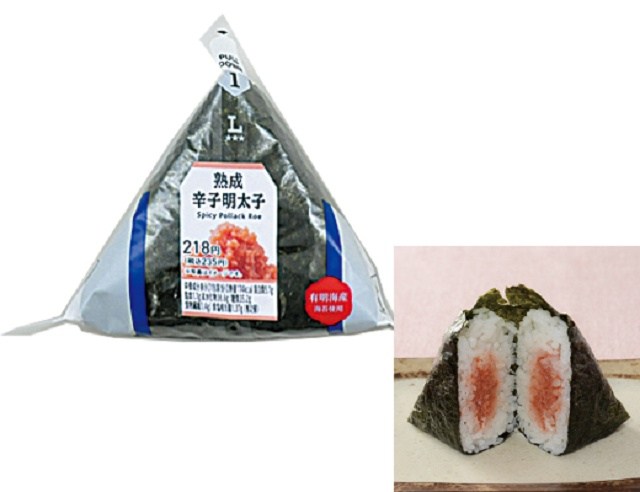
Lawson has implemented the most aggressive and comprehensive price revision of the three major chains. Scheduled to take effect on September 29, the chain is reducing the after-tax price of all 20 varieties in its flagship Temaki Onigiri (hand-rolled seaweed style) series by a flat 10 yen.
- Sea Chicken Mayonnaise: Dropping from 181 yen to 171 yen
- Traditional Fillings (Ume Plum, Kombu Kelp, Okaka Bonito Flake): Dropping from 194 yen to 184 yen
- Grilled Salmon: Dropping from 221 yen to 211 yen
- Mentaiko (Spicy Cod Roe): Dropping from 235 yen to 225 yen
In addition to these nationwide favorites, regional specialty Temaki Onigiri varieties will also receive the 10-yen markdown, ensuring equitable relief for regional customers.
7-Eleven Japan Targets Premium Staples
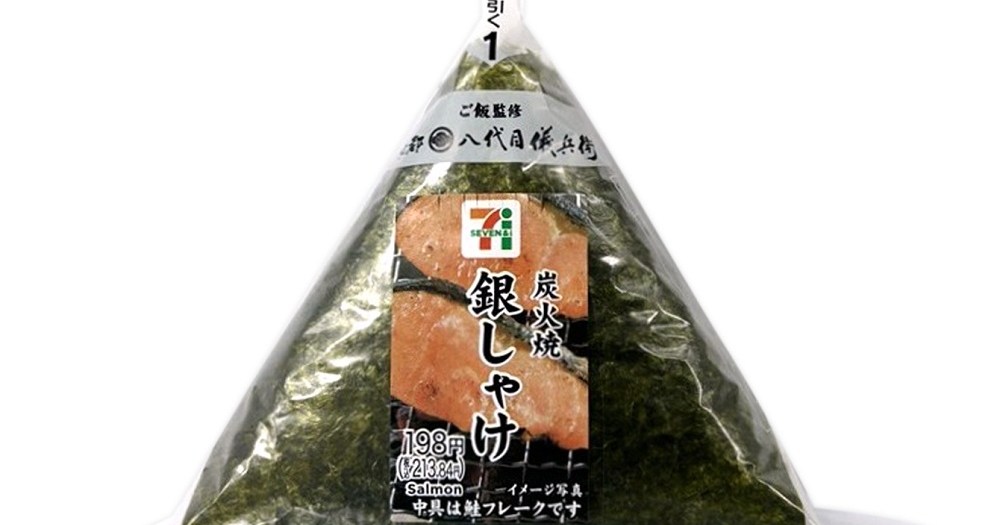
While 7-Eleven’s strategy is less sweeping than Lawson’s, the chain is focusing its reductions on high-volume, premium-tier products that saw some of the steepest pandemic-era increases. Specifically, the company is slashing the after-tax price of its popular Salmon and Mentaiko onigiri—which previously peaked at 214 yen—by a notable 19 yen. By targeting these specific flagship items, 7-Eleven aims to signal immediate value to discerning shoppers without overhauling its entire catalog simultaneously.
FamilyMart’s Early Action on Big Musubi
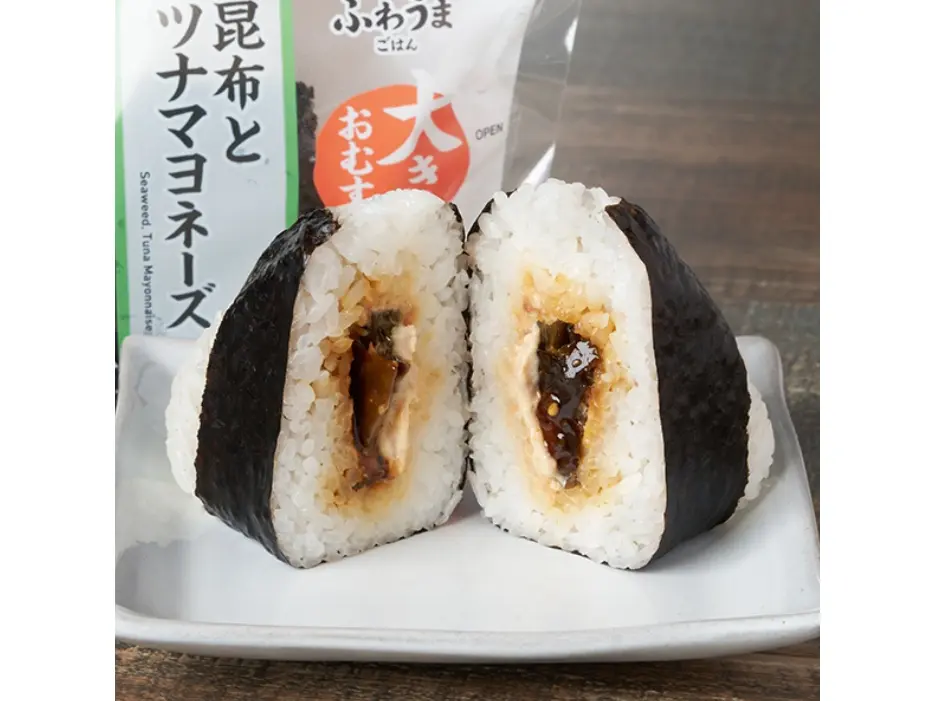
FamilyMart staked out an early position in the price-correction cycle. As of August 24, the chain officially lowered the price of its popular Kombu and Tuna Mayonnaise Big Musubi (larger-format rice balls designed for heartier appetites) from 320 yen down to 298 yen. This preemptive move positioned FamilyMart as an early champion of consumer relief, capturing immediate goodwill from budget-conscious shoppers looking for maximum caloric value per yen.
Consumer Impact and Practical Considerations
While the price cuts have been universally praised by cash-strapped consumers, everyday shoppers navigating the convenience store aisles should keep a few practical details in mind.
The Lawson Packaging Nuance
Shoppers rushing to take advantage of Lawson’s sweeping price cuts should note that the promotion applies exclusively to their Temaki Onigiri series. Unlike pre-wrapped varieties where the nori is already in direct contact with the moisture of the rice, Temaki Onigiri utilize a specialized, pull-tab plastic packaging system that keeps the seaweed crisp and dry until the moment of consumption.
For veterans of Japanese convenience stores, opening these packages is second nature: pull tab "1" down, pull tab "2" to the right, pull tab "3" to the left. For tourists or first-time visitors, however, the unrolling process can occasionally result in a comical culinary puzzle. (Fortunately, comprehensive guides and video tutorials remain readily available online for those needing a quick refresher on mastering the plastic pull-tab).
A Return to Carefree Snacking?
Despite these welcome adjustments, retail analysts note that prices have not yet retreated to the "pre-kooky" baseline of the early 2010s. Inflationary pressures affecting labor, logistics, and store maintenance costs ensure that a 100-yen onigiri remains a relic of the past. Nevertheless, the psychological barrier of the 200-yen threshold has been meaningfully breached in many categories, making the daily ritual of grabbing a quick rice ball feel significantly less burdensome.
Future Outlook
The simultaneous decision by 7-Eleven, Lawson, and FamilyMart to lower onigiri prices marks a watershed moment for Japan’s retail sector. It demonstrates that when fundamental supply chain pressures subside, market competition and consumer pushback can successfully compel corporations to adjust their pricing structures downward—a rare phenomenon in the modern global economy.
Looking ahead, industry watchers will be closely monitoring agricultural forecasts for the upcoming autumn harvests. If domestic rice yields remain stable and international supply chains continue their steady recovery, further price stabilizations across other rice-based convenience items—such as bento boxes, sushi rolls, and rice bowls—could soon follow.
For now, millions of convenience store patrons can breathe a sigh of relief. The morning commute in Japan has grown just a little bit brighter, a little bit tastier, and—crucially—a little bit more affordable.








Belum ada komentar. Jadilah yang pertama berkomentar!