

Executive Overview
To the millions of international travelers traversing Narita International Airport in Chiba Prefecture annually, Narita is often perceived merely as an aviation hub—a sprawling concrete nexus of terminals, customs checkpoints, and transit lines designed to whisk visitors away to the bustling metropolis of Tokyo. Yet, located just a short distance from the tarmac lies a historical corridor that bridges centuries of Japanese heritage with modern international accessibility: Narita-san Omotesando.
Spanning roughly a kilometer from the vicinity of JR Narita Station to the venerable gates of Narita-san Shinshoji Temple, this historic thoroughfare functions as a living archive. Originating as a modest rural farming village, the street evolved during the Edo period (1603–1867) into a vital pilgrimage route. Today, it presents a compelling case study in cultural preservation, localized tourism economics, and heritage integration.
This report provides an in-depth examination of Narita-san Omotesando’s historical origins, architectural evolution, regional gastronomy, and strategic value as a premier half-day destination for travelers seeking an authentic alternative to Japan’s hyper-modern urban centers.
Detailed Chronology and Architectural Evolution
The spatial layout and structural composition of Narita-san Omotesando cannot be understood without tracing its historical development through distinct urban zones. Urban planners and preservationists note that the street’s architecture acts as a chronological timeline, shifting seamlessly from internationalized modernity to deep-period preservation.
1. The Gateway: Hanasaki-cho and Kaiun Dori
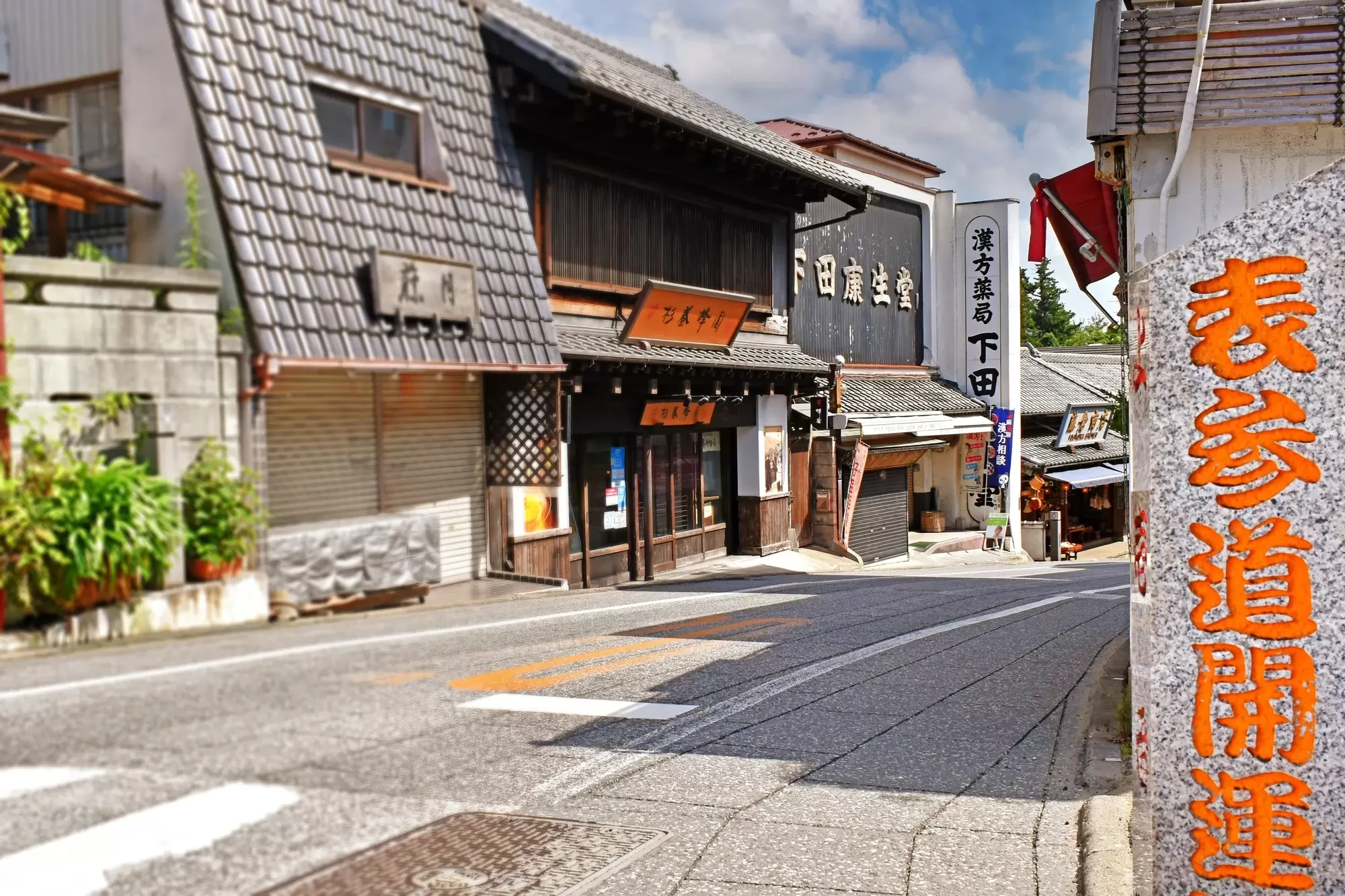
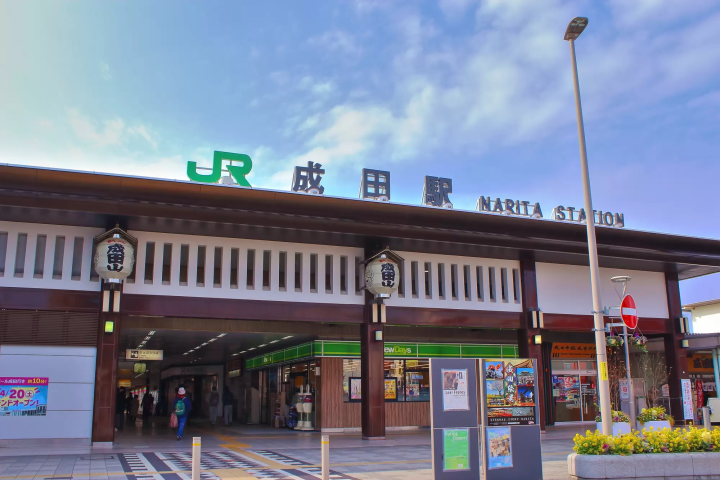
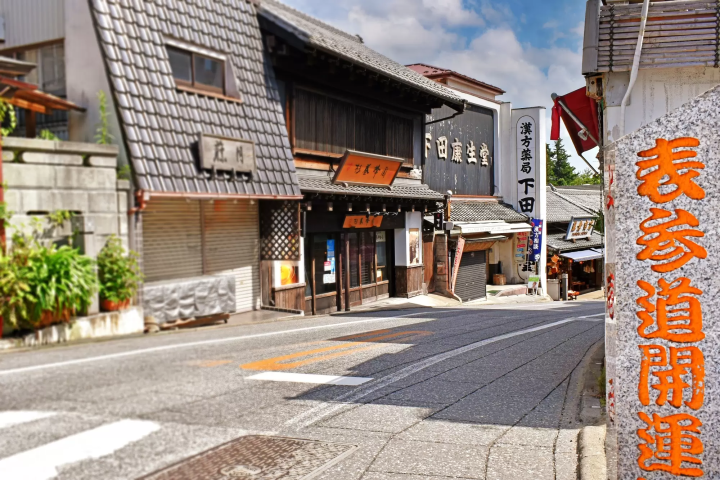
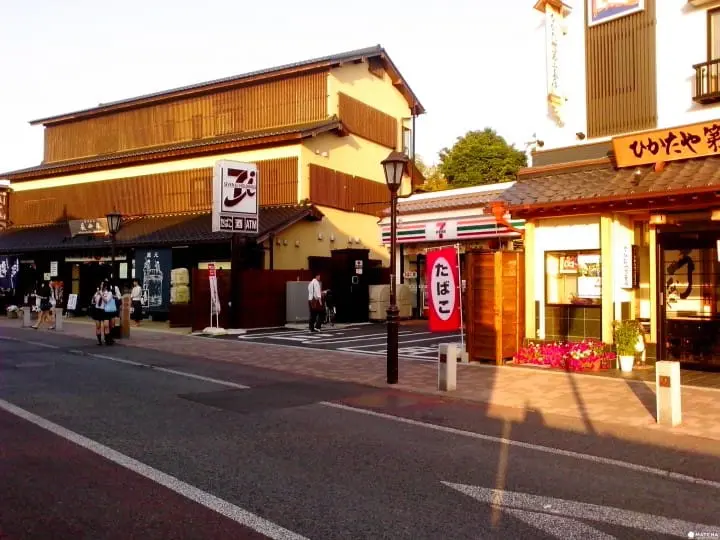
The journey begins approximately 50 meters outside of JR Narita Station or Keisei-Narita Station, marked by a stone pillar bearing the inscription "Omotesando." Entering through Hanasaki-cho, visitors encounter a deliberate fusion of global sensibilities and traditional Japanese aesthetics.
Because this zone serves as the immediate threshold for international arrivals, commercial storefronts reflect a hybrid identity. Classic Japanese souvenir shops stand side-by-side with contemporary international eateries. Notably, municipal zoning laws and local merchant agreements enforce strict aesthetic guidelines: commercial identifiers, such as convenience store signage, utilize muted earth tones rather than glaring corporate primaries, ensuring that modern commerce does not disrupt the historical continuity of the streetscape.
2. The Pilgrimage Ascent: Kami-cho
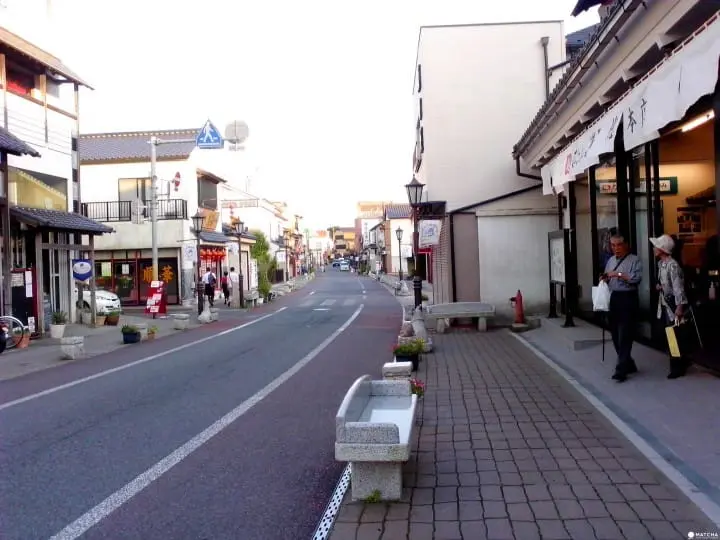
Moving inward after a five-minute walk, visitors enter Kami-cho. This segment reveals subtle markers of the street’s spiritual foundations. Carved into the stone pillars lining the pedestrian walkways are representations of the twelve animals of the Chinese zodiac—traditional iconography erected to invoke blessings and good health for weary pilgrims of bygone eras.
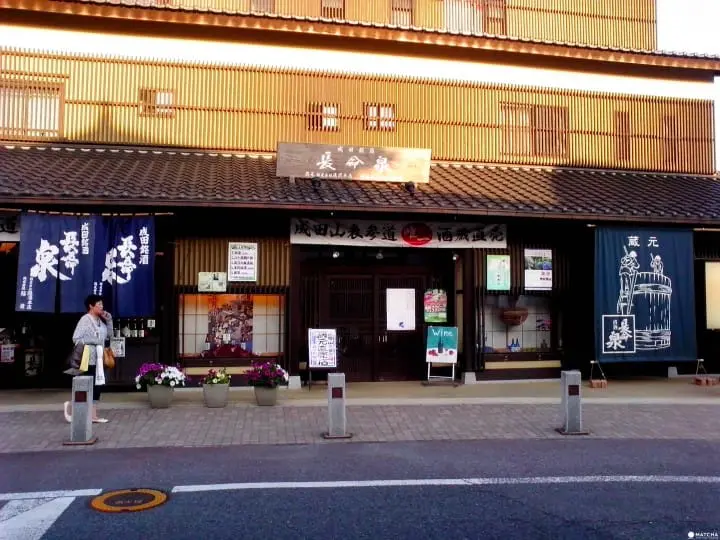
Kami-cho is also home to notable local industries, most notably regional brewing traditions. Among the most sought-after products is Chomeisen, a local sake produced using well water historically celebrated as "longevity water." This distinct hydrologic resource underpins the region’s culinary and artisanal identity, serving as a primary economic driver for local merchants.
3. The Edo-Period Core: Naka-machi and Saiwai-cho
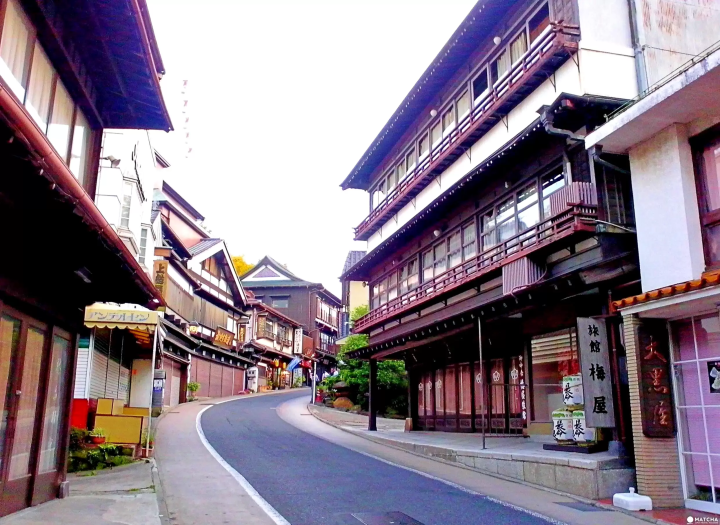
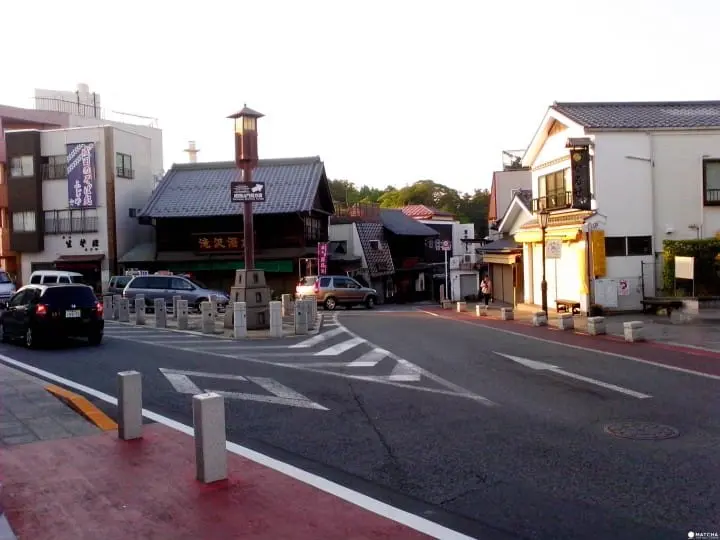
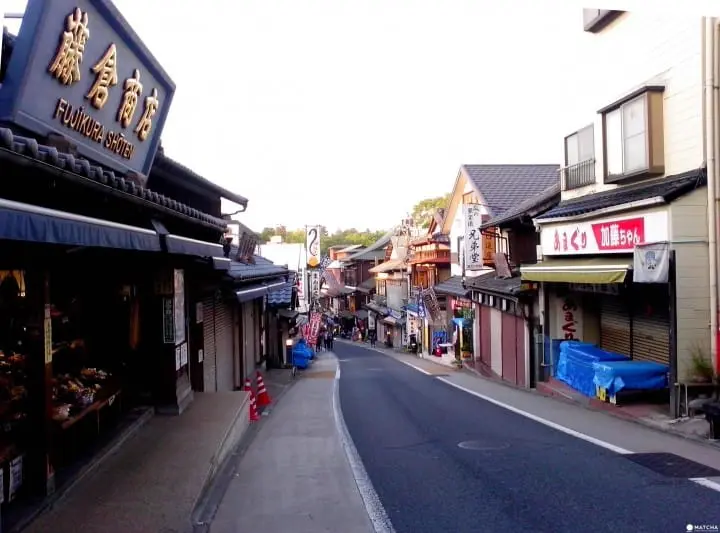
Upon reaching a strategic fork in the road—where travelers are advised to bear right—the urban landscape undergoes a dramatic transformation. Entering Naka-machi and Saiwai-cho, visitors are visually transported to the Edo and early Shōwa periods.
The architecture here is characterized by tightly clustered, well-preserved wooden buildings featuring traditional lattice work (koshi) and tiled roofs. Because the topography begins to slope downward in this section, navigating the winding pathways requires mindful pacing, particularly for those encumbered by heavy baggage.
A prominent architectural anchor in this zone is the Onoya Ryokan, constructed in 1935 (the 10th year of the Shōwa era). Formally designated as a National Registered Tangible Cultural Property, the inn stands as an architectural testament to the craftsmanship of pre-war Japanese hospitality structures, retaining its original joinery and spatial configurations.
Supporting Context, Metrics, and Cultural Significance
Narita-san Shinshoji Temple: The Anchor of Commerce and Faith
At the terminus of the Omotesando corridor sits the main entrance gate of Narita-san Shinshoji Temple, a sprawling Buddhist complex boasting a history spanning over a millennium. Established in 940 AD, the temple is dedicated to Fudo Myoo (Acala), a revered wisdom king.
- Annual Visitor Metrics: The complex draws an estimated 12 million visitors annually, making it one of the most heavily visited spiritual sites in the Kanto region, second only to major Tokyo institutions like Senso-ji in Asakusa.
- Economic Impact: The sheer volume of pilgrims and tourists has historically sustained the surrounding merchant ecosystem. Unlike transient airport traffic, visitors to Shinshoji engage in extended stays, fueling local dining, lodging, and retail sectors.
- Seasonal Variations: While the temple experiences massive influxes during Hatsumode (the first shrine/temple visit of the Japanese New Year), it also functions as a prime destination for viewing autumn foliage (koyo) without the overwhelming congestion typical of central Tokyo’s peak tourist zones.
Gastronomic Heritage: The Unagi (Grilled Eel) Tradition
No exploration of Narita-san Omotesando is complete without examining its signature culinary offering: unagi (freshwater eel).
The tradition of consuming grilled eel along the Omotesando dates back to the Edo period. Local inns and food vendors began serving nutrient-dense unagi dishes to help travelers recover from the grueling physical exertion of walking or riding long distances from Edo (modern-day Tokyo) to pay their respects at Shinshoji Temple. Prepared with secret, decades-old soy-and-mirin tare sauces and charcoal-grilled to perfection, unagi remains the defining flavor profile of the district, with numerous specialty restaurants lining the sloping streets.
Official Statements and Expert Perspectives
Local preservationists and tourism authorities emphasize the delicate balance required to maintain Narita-san Omotesando’s historical integrity while accommodating the demands of modern international travelers.
According to regional tourism development advocates, the street’s resilience lies in its community-led conservation efforts. Unlike manufactured heritage villages, Omotesando’s community has organically evolved while maintaining strict building codes.
Furthermore, travel specialists focusing on off-the-beaten-path Japanese attractions note that Omotesando serves a vital logistical and psychological purpose for international visitors. By offering an accessible, culturally immersive environment just minutes from Japan’s primary aviation gateway, the district acts as a gentle introduction to traditional Japanese culture—alleviating "culture shock" for arriving tourists or providing a culturally rich final afternoon for departing passengers.
Future Outlook and Strategic Recommendations
As international tourism to Japan continues to reach record highs, secondary destinations near major transit hubs face both opportunities and vulnerabilities. For Narita-san Omotesando, the strategic imperative moving forward centers on sustainable heritage management and smart tourism integration.
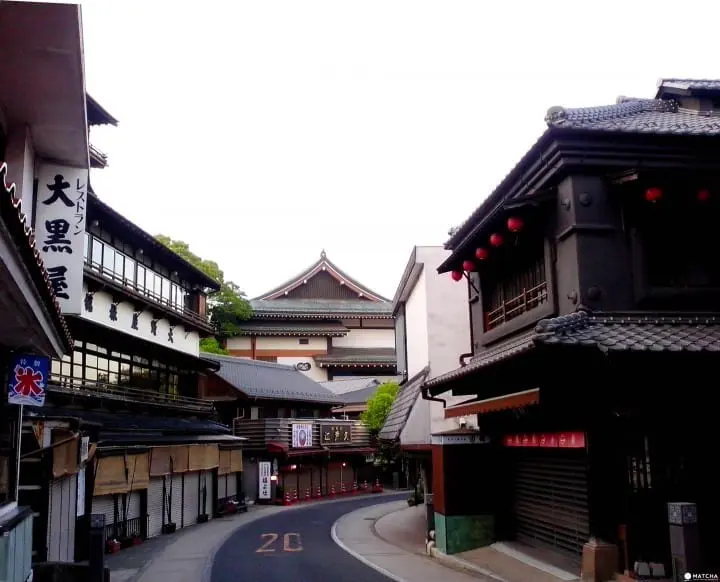
- Infrastructure Adaptability: While the historic sloping streets of Naka-machi and Saiwai-cho preserve the area’s authentic aesthetic, they present accessibility challenges for travelers with mobility impairments, strollers, or heavy luggage. Future urban planning must balance historical preservation with discreet, non-intrusive accessibility improvements.
- Extended-Stay Initiatives: Tourism boards are increasingly encouraging travelers to allocate half a day during their airport layovers to explore the Omotesando. Enhancing multilingual wayfinding digital resources and luggage-storage facilities near Narita Station will further incentivize this trend.
- Preservation of Intangible Heritage: Beyond physical architecture, local festivals, seasonal rituals, and traditional crafts (such as local sake brewing and unagi preparation) must be actively supported through generational knowledge transfer to prevent commercial homogenisation.
Narita-san Omotesando remains an enduring testament to Japan’s ability to honor its past while remaining globally connected. For the discerning traveler willing to venture beyond the airport terminals, this historic corridor offers a profound window into centuries of ritual, architecture, and culinary artistry.








Belum ada komentar. Jadilah yang pertama berkomentar!