


Executive Overview
The PC gaming community has long engaged in spirited debates regarding the utility, necessity, and aesthetic value of various post-processing graphical effects. From motion blur and chromatic aberration to bloom and film grain, players frequently find themselves at odds with developers over which features enhance visual fidelity and which detract from the overall gaming experience. Often toggled off the moment a new title launches, these effects occupy a contentious space in modern game engines.
To settle these long-standing arguments once and for all, a comprehensive tournament-style showdown has been initiated to determine which graphical setting truly deserves a permanent home in the settings menu—and which ones belong in the graphics department’s wastebin. Utilizing a classic knockout format, controversial visual effects are going head-to-head across three rigorous rounds of voting and community debate.
While some players argue that these features add vital cinematic flair, atmospheric depth, and visual cohesion, detractors frequently label them as unnecessary clutter that obscures vision, reduces frame rates, and introduces artificial noise. This report examines the psychological, technical, and aesthetic foundations of these divisive graphical settings, breaking down the primary contenders and exploring why the gaming community remains so deeply polarized over post-processing bells and whistles.
Detailed Chronology: The Ongoing War Over Post-Processing
The debate surrounding post-processing effects is almost as old as 3D graphics itself. As rendering technology evolved from primitive polygons to complex, physically based rendering (PBR) pipelines, developers gained unprecedented control over lighting, camera simulation, and screen-space manipulations. However, this newfound power came with a double-edged sword: the temptation to artificially manipulate the image output in ways that players did not always appreciate.
The Dawn of Cinematic Realism (Early 2000s)
In the early days of high-definition gaming, developers sought to mimic the look of physical film cameras and cinematic lenses. Technologies like motion blur and bloom were introduced to hide the limitations of lower polygon counts and rigid frame rates. Bloom, for instance, masked harsh edges by bleeding bright light sources into surrounding pixels, creating a glowing, ethereal effect popularized in games like Shadow of the Colossus and early Unreal Engine 3 titles.
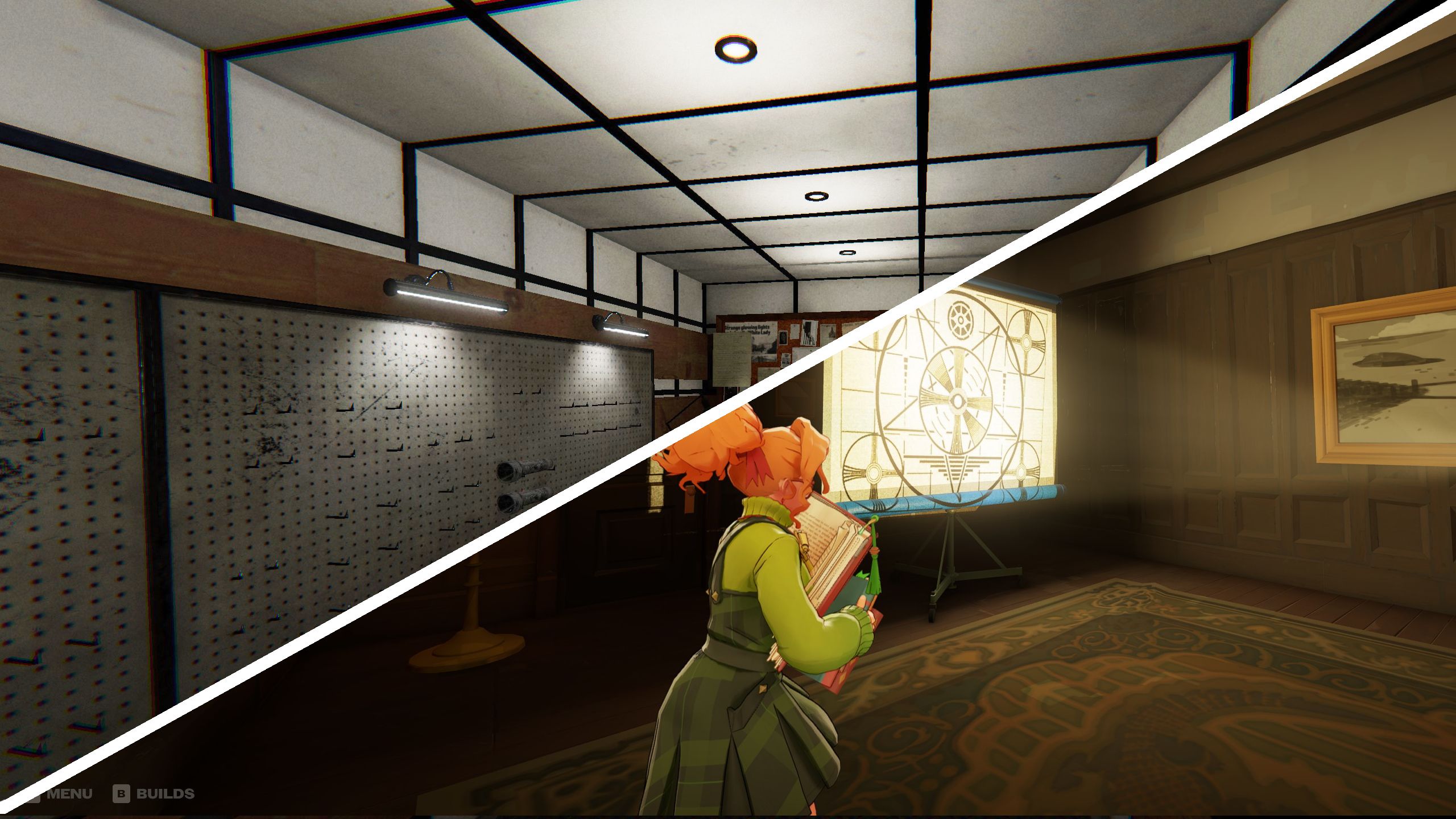
However, overuse quickly turned "bloom" into a dirty word among PC enthusiasts. Games were frequently criticized for looking as though they had been smeared in petroleum jelly, blinding players with excessive light bloom that washed out textures and obscured enemy silhouettes.
The Rise of the Anti-Blur Coalition (2010s)
As high refresh rate monitors (144Hz and above) became standard among PC gamers, the perception of camera-based post-processing shifted dramatically. Motion blur—designed to smooth out low frame rates by smearing pixels during fast camera movements—became the ultimate enemy of competitive gamers. In fast-paced shooters and twitch-based multiplayer titles, clarity is paramount; smearing the screen into an unreadable mess of pixels directly impedes a player’s ability to track targets.
Similarly, chromatic aberration, which simulates the optical lens defect where light fails to focus at the same point, began drawing heavy ire. Rather than feeling cinematic, players frequently complained that chromatic aberration simply made the image look blurry, out-of-focus, and headache-inducing.
The Modern Reckoning (Present Day)
Today, the toggle switches for motion blur, film grain, and chromatic aberration are often the very first options PC gamers look for when booting up a new release. Recognizing this consumer sentiment, hardware journalists and community spaces continue to revisit the topic, testing whether these effects have improved or if they remain fundamentally flawed. The current knockout tournament format brings these perennial grievances back to the forefront, inviting players to cast their votes and rigorously defend their graphical preferences.
Supporting Context & Metrics: Analyzing the Contenders
To understand why certain effects evoke such strong reactions, it is helpful to examine the mechanics and community perception of the primary contenders featured in the current showdown.
Bloom: The Double-Edged Sword
- What it does: Simulates an artifact of real-world cameras where extremely bright light overwhelms the film or digital sensor, causing light to bleed into surrounding areas.
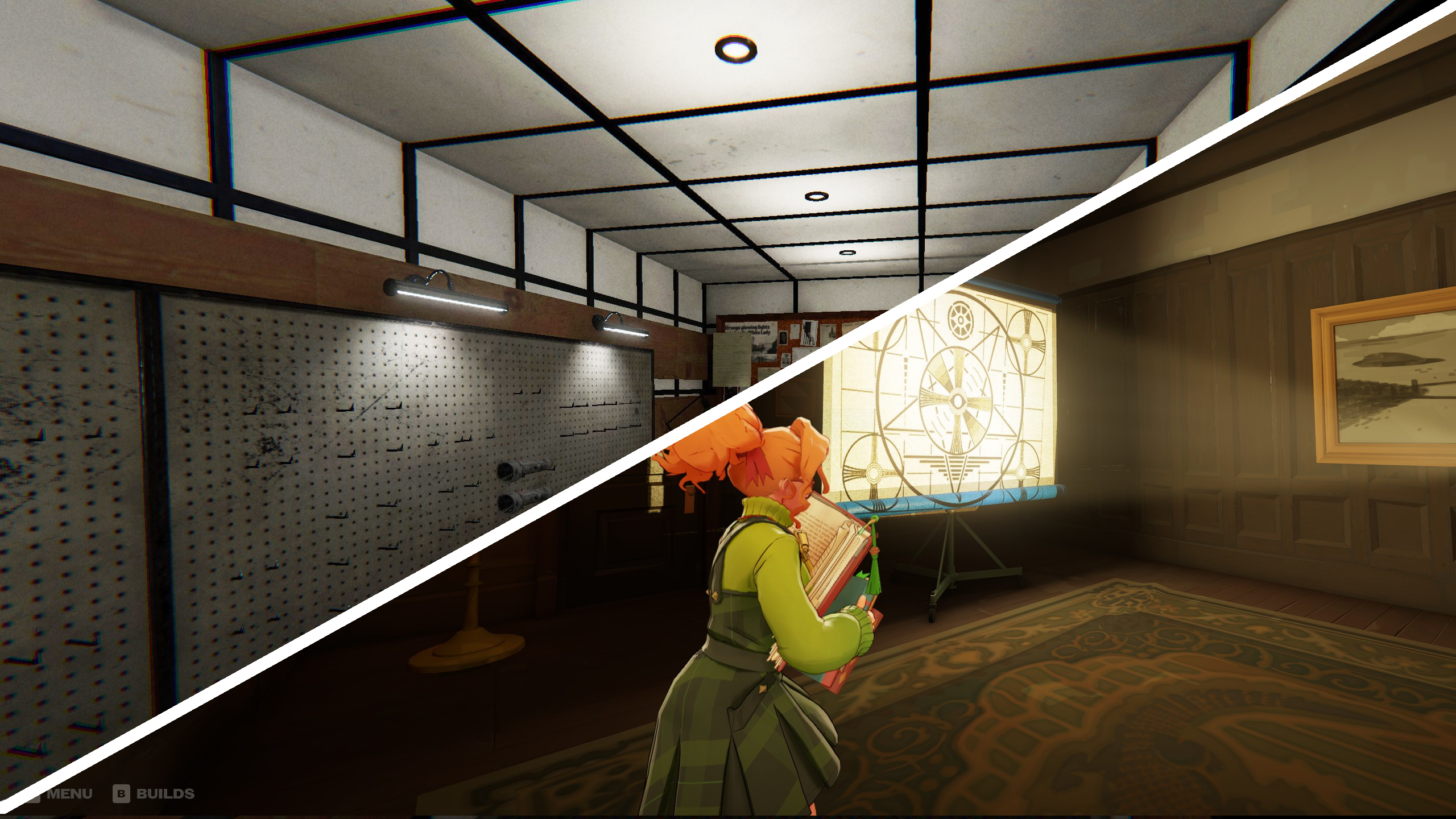
- Modern Implementation: In titles like Valve’s upcoming hero shooter Deadlock, bloom is often used selectively—such as on bright projector screens or glowing neon signs—to enhance environmental immersion and realism.
- Community Verdict: While historically overused, bloom has found redemption. When implemented with restraint via modern PBR pipelines, it adds believable luminescence to artificial light sources without destroying overall scene clarity.
Film Grain: The Phantom Noise
- What it does: Adds a layer of moving, randomized noise over the rendered image to mimic the physical grain structure of analog film stock.
- Modern Implementation: Frequently found in atmospheric horror titles and cinematic narrative games, such as Kinetic Games’ Phasmophobia, where it contributes to a grainy, found-footage aesthetic.
- Community Verdict: Surprisingly divisive. While developers use it to unify disparate graphical elements and mask low-resolution texture filtering, many players find it annoying, noting that it interferes with digital displays and degrades the crispness native to high-resolution monitors.
Motion Blur and Chromatic Aberration: The Outcasts
- Motion Blur: Divides the community strictly along genre lines. Single-player cinematic adventure enthusiasts occasionally tolerate per-object motion blur for a sense of speed, while competitive multiplayer gamers universally banish it to eliminate visual latency.
- Chromatic Aberration: Universally scorned by a vast majority of the PC hardware community. Unlike film grain or bloom, which can mimic real-world phenomena convincingly, chromatic aberration simulates a literal camera defect that optical engineers spend billions of dollars trying to eliminate from high-end lenses. Forcing a digital camera to mimic a flawed lens in a virtual space strikes many players as counterintuitive and visually fatiguing.
Official Statements and Industry Perspectives
The friction between game developers and PC enthusiasts often boils down to a fundamental difference in artistic vision versus functional utility.
From an artistic standpoint, developers utilize post-processing effects to establish mood, direct the player’s focus, and create a cohesive visual language. In interviews and post-mortems, graphic engineers frequently emphasize that effects like depth of field and film grain are vital tools for hiding the "uncanny valley" of digital rendering, smoothing over the harsh, sterile perfection of computer-generated graphics to make them feel more organic and cinematic.
Conversely, the PC hardware and enthusiast community—represented by veteran hardware journalists and technical analysts—champions user agency, visual clarity, and raw performance. PC gaming has always been defined by the pursuit of fidelity: ultra-high resolutions, pristine texture filtering, and unfettered frame rates. From this perspective, artificial artifacts like chromatic aberration and heavy motion blur actively degrade the expensive hardware investments players have made.
As technical writers note, the debate is cyclical. Every few years, as new rendering techniques emerge—such as ray-traced reflections, path tracing, and advanced temporal anti-aliasing (TAA)—the discussion resets. Developers find new ways to integrate post-processing into these advanced pipelines, while players immediately look for the configuration file tweaks to disable them.
Future Outlook: What Lies Ahead for PC Graphics Settings?
As real-time ray tracing and neural rendering technologies (such as DLSS, FSR, and XeSS) continue to mature, the landscape of graphical settings is shifting once again. Modern rendering engines are moving away from brute-force post-processing approximations toward physically accurate simulations of light, optics, and motion.
- Granular Customization: Future game engines are increasingly separating camera effects into nuanced sub-categories. Instead of a single toggle for "motion blur," players can often adjust camera motion blur independently from object motion blur, satisfying both cinematic traditionalists and competitive purists.
- AI-Driven Visual Enhancement: With machine learning playing a larger role in image reconstruction and anti-aliasing, traditional noise filters like film grain may eventually be replaced by intelligent, context-aware visual stylization that adapts to player preferences automatically.
- The Enduring Debate: Regardless of technological advancements, human preference remains subjective. Whether discussing the blinding glow of bloom or the gritty aesthetic of film grain, the debate over what a video game should look like will undoubtedly persist. As long as settings menus include toggles for these effects, the community will continue to argue over whether they are brilliant artistic strokes or the unwelcome artifacts of a graphics engineer’s fever dream.









Belum ada komentar. Jadilah yang pertama berkomentar!