

Executive Overview
The cinematic landscape is bracing itself for the climax of one of the most critically and commercially successful science-fiction sagas of the 21st century. Warner Bros. Pictures and IMAX Corporation have officially announced that tickets are now on sale for an exclusive tier of early preview screenings for Dune: Part Three, the concluding chapter of visionary filmmaker Denis Villeneuve’s epic cinematic adaptation of Frank Herbert’s universe.
Fans eager to witness the final chapter of Paul Atreides’ story will not have to wait until the film’s wide theatrical rollout on December 18th. Instead, select audiences can experience the conclusion beginning Monday, December 14th, at exclusive IMAX 70mm locations across the United States and Canada. This limited theatrical footprint will rapidly expand to encompass all domestic and international IMAX locations starting Tuesday, December 15th.
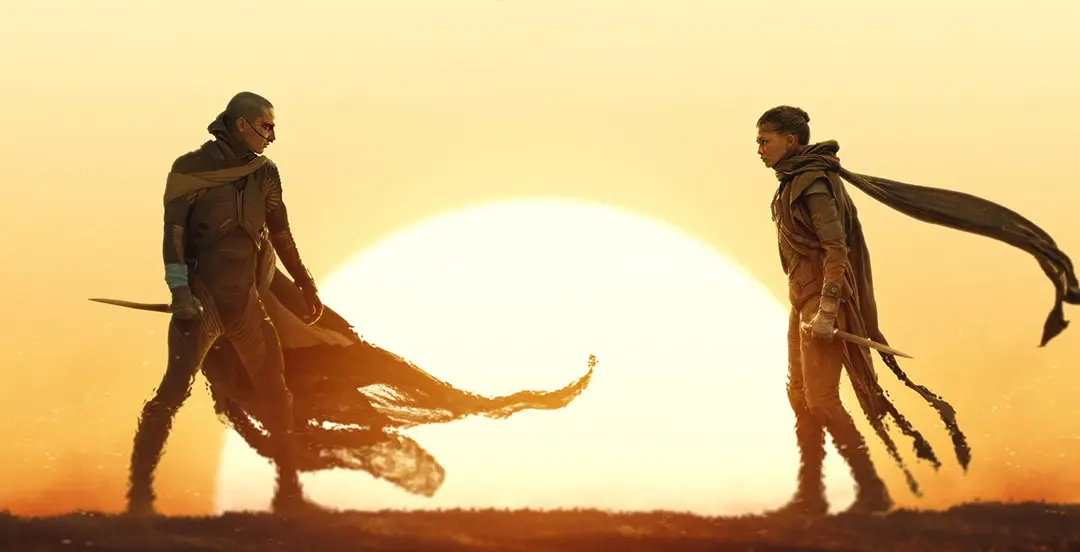
Alongside this major ticketing rollout, Warner Bros. has dropped a breathtaking new teaser trailer and a striking promotional poster, setting social media ablaze and intensifying the already palpable rivalry between upcoming holiday tentpoles. With a star-studded returning cast—bolstered by high-profile franchise newcomers—and a narrative set nearly two decades after the events of Dune: Part Two, the final installment promises to deliver an uncompromising examination of power, corruption, and the tragic burdens of absolute rule.
Detailed Chronology: The Journey to the Conclusion
To fully appreciate the gravity of the Dune: Part Three rollout, one must examine the meticulous trajectory that Denis Villeneuve and Legendary Pictures have forged over the past decade.
The Foundation and Expansion
When Dune premiered in late 2021 amid the lingering uncertainties of the global box office, it proved that dense, philosophically complex hard sci-fi could achieve mainstream blockbuster dominance. Grossing over $402 million worldwide and securing six Academy Awards, the film laid the groundwork for Dune: Part Two, which arrived in early 2024 to an even more rapturous critical and commercial reception, hauling over $711 million globally.
While original studio plans and industry whispers frequently cast doubt on whether Villeneuve would be permitted to adapt Frank Herbert’s labyrinthine 1969 sequel novel, Dune Messiah, the unprecedented success of the second film greenlit the trilogy’s completion. Villeneuve has consistently maintained that Part Three will serve as his final cinematic foray into the desert planet of Arrakis, closing the book on his interpretation of the Atreides bloodline.
The Marketing Campaign Unfolds
The promotional campaign for the trilogy’s conclusion has been meticulously orchestrated to maximize cultural saturation. The release of the new teaser trailer and poster on August marks a critical milestone in the marketing timeline. By launching early Insider screenings for mid-December, Warner Bros. is employing a time-tested strategy: leveraging premium format (PLF) evangelists and hardcore fan communities to generate word-of-mouth momentum ahead of the traditional Thursday night preview openings.

The timeline of release events breaks down as follows:
- August: Unveiling of the official teaser trailer, theatrical poster, and confirmation of early ticketing windows.
- Monday, December 14th: Exclusive early access screenings launch exclusively at select ultra-premium IMAX 70mm venues across the US and Canada.
- Tuesday, December 15th: Early preview screenings expand to all standard and premium IMAX locations globally.
- Thursday, December 17th: Traditional preview night screenings begin across standard domestic multiplexes.
- Friday, December 18th: Official wide theatrical release across global cinema markets.
Supporting Context & Metrics: Navigating the Box Office Desert
The arrival of Dune: Part Three in mid-December places it squarely in the most competitive and lucrative real estate of the theatrical exhibition calendar. However, the film faces a uniquely fierce cultural battleground, frequently discussed in trade circles alongside the looming shadow of competing tentpole releases, most notably Marvel Studios’ Avengers: Doomsday (colloquially dubbed by internet fandoms in the lead-up to "Dunesday").
Premium Format Dominance and the IMAX Factor
The decision by Warner Bros. to prioritize IMAX 70mm and large-format digital screens for the December 14th rollout underscores the critical financial and artistic importance of PLF auditoriums for the franchise. Dune: Part Two famously exhausted IMAX screen capacities globally, proving that modern cinephiles are willing to pay a premium for authenticated aspect ratios and immersive sound design.
Industry analysts note that premium formats often account for an outsized percentage of a blockbuster’s opening weekend gross. For a director of Villeneuve’s visual stature—who shoots with cutting-edge IMAX-certified digital cameras—maximizing the footprint of premium auditoriums is not merely an artistic preference, but a vital box-office strategy. The limited two-day exclusive window (December 14–15) is expected to trigger a severe ticketing scramble, echoing the unprecedented sell-out rates seen during previous franchise milestones.
Narrative Stakes: A Darker, Older Paul Atreides
The narrative framework of Dune: Part Three diverges sharply from standard hero’s journey tropes. Set nearly two decades after Paul Atreides seized control of the Imperium at the conclusion of Part Two, the film finds the former messianic figure transformed into a ruthless, entrenched Emperor.
According to official loglines, Paul must now grapple with the horrifying real-world consequences of his holy war, which devastated billions across the galaxy. Haunted by apocalyptic visions of Imperial collapse and the mysterious reappearance of his long-lost love, Chani—who serves as the emotional and strategic heart of the emerging resistance—Paul finds himself trapped in a web of political conspiracies, religious fanaticism, and familial betrayal.
Official Statements and Cast Lineup
While Warner Bros. executives and director Denis Villeneuve have kept specific plot machinations under tight security, the expanding scale of the production is reflected in its monumental casting announcements.
The Ensemble Cast
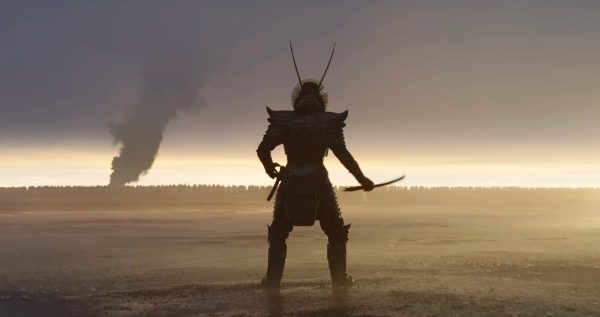
The returning core ensemble features some of the most sought-after talent in modern cinema, joined by high-profile additions adapting characters from Herbert’s Dune Messiah:
- Timothée Chalamet as Paul Atreides, portraying a hardened, tyrannical emperor burdened by prescience and guilt.
- Zendaya as Chani, spearheading the underground rebellion against the Atreides regime.
- Florence Pugh as Princess Irulan, navigating the treacherous political marriages and court intrigues of the Imperium.
- Rebecca Ferguson as Lady Jessica, continuing to pull the shadowy strings of the Bene Gesserit order.
- Jason Momoa as Duncan Idaho, returning to the fold under mysterious narrative circumstances.
- Anya Taylor-Joy as Alia Atreides, stepping into a vastly expanded and terrifying role following her brief cameo in Part Two.
- Robert Pattinson as Scytale, a pivotal newcomer bringing the shape-shifting Tleilaxu antagonist to life.
- Javier Bardem as Stilgar, wrestling with the religious institutionalization of the Lisan al Gaib.
- Charlotte Rampling as Reverend Mother Mohiam, maintaining the sinister institutional grip of the Sisterhood.
- Supporting and Next-Generation Cast: Featuring Isaach De Bankolé as Farok, Nakoa-Wolf Momoa as Leto II, and Ida Brooke as Ghanima.
Production and Creative Vision
Though Villeneuve has repeatedly expressed hesitation about continuing past a third film—noting that subsequent Herbert novels become increasingly esoteric and psychedelic—he has poured his creative energy into ensuring Part Three serves as a definitive thematic conclusion. In previous statements, the director emphasized that the core message of Frank Herbert’s original novels was always intended as a cautionary tale against charismatic leaders and messianic figures, a thesis that reaches its brutal zenith in this final chapter.
Future Outlook: The Final Legacy of Arrakis
As ticket sales surge for the December 14th early IMAX previews, the industry is watching closely to see how Dune: Part Three performs in a fiercely contested holiday marketplace. If tracking metrics are any indication, the conclusion of Villeneuve’s trilogy is positioned to dominate cultural conversations throughout the winter season.
Beyond box-office returns, the film marks the potential end of an era for prestige science fiction on the big screen. In an industry increasingly dominated by interconnected cinematic universes and rapid-fire intellectual property exploitation, Villeneuve’s Dune trilogy stands as a rare anomaly: a massive, multi-hundred-million-dollar studio investment executed with uncompromising auteur-driven vision, high-art cinematography, and philosophical depth.
When the credits roll on December 18th—or a few days earlier for the lucky few inside select IMAX 70mm auditoriums—audiences will finally learn the ultimate fate of Arrakis, the Golden Path, and the Atreides dynasty. One thing is certain: the cinematic desert will never be the same again.









Belum ada komentar. Jadilah yang pertama berkomentar!