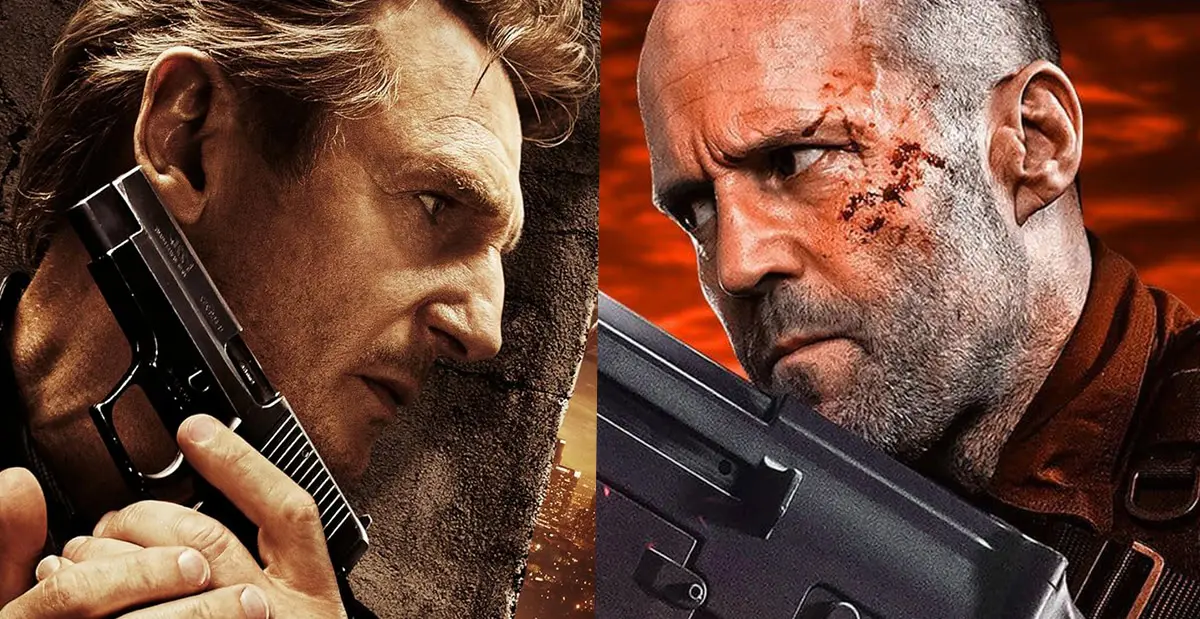
In the contemporary landscape of commercial filmmaking, few phenomena are as reliable, structurally consistent, and economically resilient as the mid-budget action vehicle starring either Liam Neeson or Jason Statham. While the blockbuster apparatus demands multi-hundred-million-dollar IP expansions, endless CGI-laden universes, and algorithmic oversight, these two weathered leading men have carved out a lucrative, fiercely loyal niche. They offer audiences a comforting, unpretentious cinematic fast-food experience: roughly ninety minutes of gravelly monologues, bone-crunching choreography, and titles that sound as though they were generated by an industrial random-word picker.
Yet, beneath the surface of these seemingly interchangeable releases lies a compelling divergence in career trajectory, physical performance, and cinematic pedigree. Neeson, an Academy Award nominee with a near-half-century theatrical footprint, slipped into the action genre as an elder statesman, capitalizing on a late-career renaissance sparked by an unexpected kidnapping thriller in 2008. Statham, by contrast, emerged from the gritty British gangster comedies of the late 1990s to forge an athletic, highly efficient sub-genre entirely of his own making, trading on physical dexterity and deadpan efficiency.
This investigation explores the mechanics, cultural footprints, and enduring appeal of the "Neeson-verse" and the "Statham sub-genre." By examining their respective ascents, their structural similarities, and their divergent approaches to screen violence, we confront the ultimate pop-culture inquiry: When it comes to the throne of disposable, formulaic action cinema, which of these titans reigns supreme?
Detailed Chronology
The Elder Statesman: Liam Neeson’s Long Road to the Action Peak
To understand Liam Neeson’s dominance over modern mid-budget action, one must first look at the vast and varied tapestry of his early career. Spanning nearly fifty years, Neeson’s resume defies easy categorization. In the 1980s, the towering Irishman was a familiar face in atmospheric fantasy and historical epics, landing roles in ensemble heavyweights like John Boorman’s Excalibur (1981) and Peter Yates’ Krull (1983). Standing at six-foot-four with an imposing, gravel-voiced presence, Neeson was naturally slotted into roles requiring physical authority, though his ambitions were firmly rooted in dramatic character work.
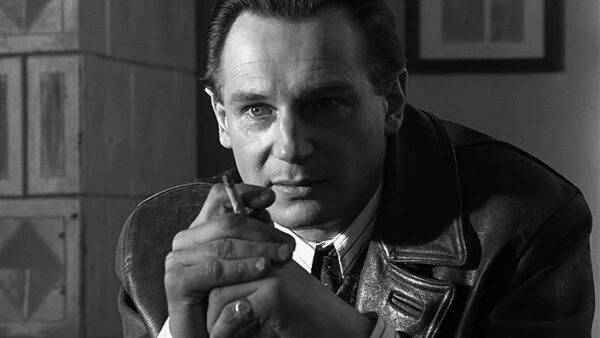
The watershed moment of his pre-action career arrived in 1993 with Steven Spielberg’s Schindler’s List. Neeson’s harrowing, profoundly human portrayal of Oskar Schindler earned him an Academy Award nomination and propelled him into the upper echelons of international stardom. Throughout the 1990s and early 2000s, he balanced prestige dramas with major commercial ventures, most notably anchoring George Lucas’s massive sci-fi resurgence as Jedi Master Qui-Gon Jinn in Star Wars: Episode I – The Phantom Menace (1999). Though initial critical reactions to the film were polarized, Neeson’s dignified portrayal emerged as a universally praised anchor, ensuring his character’s enduring legacy across subsequent Disney-era television expansions like Obi-Wan Kenobi.
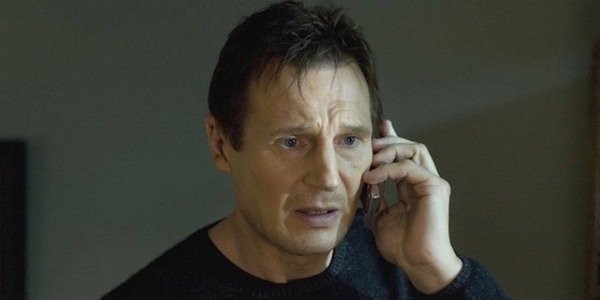
However, aging in Hollywood often necessitates reinvention. For Neeson, the turning point came in 2008 with Taken. On paper, Pierre Morel’s film read like a direct-to-video Steven Seagal leftover: a retired, brooding government operative reactivates his lethal skill set to rescue his abducted daughter from human traffickers in Paris. Yet, buoyed by a breakneck second-half pace, a ruthlessly efficient narrative structure, and Neeson’s inherent gravitas, Taken transcended its humble origins to capture the global zeitgeist.
The film birthed a rapidly declining trilogy, but more importantly, it established the "Neeson-verse"—a prolific late-career phase defined by high-concept, single-word or functionally descriptive titles. Collaborations with director Jaume Collet-Serra, such as Unknown (2011), Non-Stop (2014), and The Commuter (2018), blended Hitchcockian suspense with workmanlike action. Alongside these hits, however, came a relentless stream of increasingly indistinguishable titles: The Marksman (2021), Blacklight (2022), Memory (2022), Retribution (2023), and Absolution (2024).
Despite critics occasionally dismissing these projects as glorified VOD (Video-on-Demand) releases, Neeson has consistently maintained that he intends to step away from the genre, only to quickly return with another high-octane project.
The Efficient Brawler: Jason Statham’s Ascent from Guy Ritchie to Global Icon
Jason Statham’s entry into the cinematic consciousness followed an entirely different trajectory. Discovered while working as a market trader and elite diver for Britain’s national diving squad, Statham was cast by Guy Ritchie in the kinetic, foul-mouthed British crime caper Lock, Stock and Two Smoking Barrels (1998) and its follow-up, Snatch (2000). While both films established Statham’s tough-guy persona, the primary heavy-lifting of intimidation in those early features often fell to co-stars like Vinnie Jones.
Statham’s transition to Hollywood involved playing smaller supporting antagonists in sci-fi and action hybrids such as John Carpenter’s Ghosts of Mars (2001) and James Wong’s The One (2001). Though The One was designed as a showcase for Jet Li during his American crossover push, Statham’s work caught the eye of action choreographer and director Corey Yuen. This connection proved pivotal, leading to Statham’s breakout leading-man role in The Transporter (2002).
Acting as a modern, high-octane riff on Walter Hill’s The Driver and Jean-Pierre Melville’s Le Samourai, The Transporter established the Statham blueprint: minimal facial expressions, gravelly minimal dialogue, and maximal kinetic efficiency. Like Neeson with Taken, Statham parlayed the film’s modest success into a dedicated trilogy and cultivated his own sub-genre of interchangeable, functional actioners. Titles like Blitz (2011), Safe (2012), Wild Card (2015), and Redemption (2013) flooded the market, supplemented by contemporary updates of classic action properties such as The Mechanic (2011) and Parker (2013).
Crucially, Statham successfully integrated himself into major multi-studio franchises. He transitioned from mid-budget genre exercises into massive ensemble blockbusters, joining Sylvester Stallone’s The Expendables franchise and anchoring major entries in Universal’s Fast & Furious series. His chemistry with Dwayne Johnson in Fast & Furious Presents: Hobbs & Shaw (2019) demonstrated his ability to command tentpole budgets without losing the deadpan, bone-breaking edge that defined his early career.
Supporting Context & Metrics
To truly evaluate the cultural footprint of these two action titans, we must look beyond the surface-level tropes and analyze their structural approaches, box office contributions, and placement within the modern streaming economy.
Consistently high theatrical returns + streaming longevity
The Mechanics of the "Neeson-Verse" vs. The "Statham Sub-Genre"
The cinematic philosophies of Neeson and Statham diverge most clearly in their physical execution and narrative framing.
Neeson’s late-career action persona relies heavily on the trope of the reluctant, weary protector. Whether playing an ex-CIA operative, a snowplow driver seeking justice in The Ice Road (2021), or an aging hitman in In the Land of Saints and Sinners (2023), Neeson brings a palpable sense of humility and sorrow to his roles. Because his prolific action era began after his fiftieth birthday, filmmakers frequently utilized clever camera work, quick edits, and stunt doubles to mask the physical demands of hand-to-hand combat. This approach humanizes the character; Neeson’s heroes bleed, tire, and express vulnerability, grounding the absurd premises in emotional stakes.
Statham, conversely, operates as an engine of uninterrupted kinetic motion. Approaching his sixties, Statham maintains an elite athletic conditioning regimen that allows him to execute complex martial arts choreography, knife-work, and gunplay with minimal editorial trickery. Statham’s characters are rarely vulnerable; they are hyper-competent professionals—former assassins, secret agents, or specialized operatives—who treat violence as a mundane day job. Films like David Ayer’s The Beekeeper (2024) leaned heavily into this meta-awareness, treating Statham’s character not merely as a man seeking revenge, but as an almost mythic, unstoppable force of nature operating outside the bounds of civilized law.
The Economics of the Modern VOD Market
Neither Neeson nor Statham relies solely on domestic theatrical box office grosses to justify their output. In the current media ecosystem, theatrical releases for these mid-budget thrillers often function primarily as high-cost marketing exercises. The real financial engine lies in licensing fees, international territories, and premier placement on subscription streaming services such as Amazon Prime Video, Netflix, and digital rental platforms.
For audiences fatigued by sprawling cinematic universes requiring homework across twenty television series, a standalone Neeson or Statham film offers immediate, frictionless gratification. They fill the exact cultural niche once occupied by straight-to-video action features of the 1990s and early 2000s, modernized with higher production values and reliable international distribution networks.
Official Statements and Industry Insights
While neither actor has explicitly engaged in a public feud over who holds the crown of generic action, industry insiders, directors, and the actors themselves have frequently reflected on the nature of their respective franchises.
Reflecting on his unexpected transition into an action star, Liam Neeson noted in past press junkets for Taken 3:
"I never thought in a million years that I’d be holding a gun or chasing bad guys across European capitals at this stage of my life. The physical work is demanding, but there is an undeniable joy in giving audiences precisely what they want on a Friday night—simple stories of justice and retribution."
Jaume Collet-Serra, who directed Neeson in multiple high-concept thrillers including Non-Stop and The Commuter, emphasized the psychological weight Neeson brings to otherwise formulaic scripts:
"Liam has this incredible capacity to make an audience believe the impossible. You put him on a train or an airplane with a ticking clock, and his gravitas transforms a B-movie premise into a gripping character study under pressure."
Conversely, Jason Statham has frequently embraced his status as a cinematic workhorse dedicated to physical performance. Discussing his approach to action choreography in interviews surrounding The Beekeeper, Statham remarked:
"Action is a craft that requires discipline. You have to respect the physical side of storytelling. If you’re going to do these movies, you have to put the work in so the audience believes you can do the things the script asks of you. I don’t look at it as generic; I look at it as delivering a reliable product to people who want to see good, honest action."
Future Outlook
As both actors look toward their respective futures, the conveyor belt of formulaic action shows no signs of slowing down.
Liam Neeson’s upcoming slate includes further high-concept thrillers, alongside fascinating detours into comedy, such as his involvement in the reboot of The Naked Gun franchise. Despite frequent declarations that he is ready to hang up his action holster, the sheer demand from international distributors and streaming platforms ensures that the "Neeson-verse" will continue to expand. Upcoming titles promise more of the same high-stakes, single-location tension and rugged paternal protection that defined his late-career golden age.
Jason Statham remains equally busy. Following projects like Jean-François Richet’s Mutiny, Statham continues to balance mid-budget revenge thrillers with larger commercial tentpoles. The possibility of further franchise integrations—whether within the Fast & Furious universe or original action properties—remains high. Furthermore, his ability to lean into self-parody (as seen in Spy and The Meg franchise) provides him with a stylistic flexibility that may outlast standard physical action vehicles.
The Verdict: Who Reigned Supreme?
When weighing the evidence, declaring a definitive victor between Liam Neeson and Jason Statham depends entirely on how one defines the "King of Generic Action."
If the crown belongs to the actor who infused prestige-level dramatic weight into mid-budget thrillers—transforming a one-note kidnapping premise into a cultural movement that revitalized an entire demographic of aging leading men—the title undoubtedly belongs to Liam Neeson. His late-career pivot remains one of the most remarkable narrative reinventions in modern Hollywood history.
However, if the crown belongs to the undisputed master of physical execution, unyielding athletic efficiency, and cinematic world-building who never required editorial sleight-of-hand to sell a punch, the throne belongs to Jason Statham. Statham is not merely a participant in the action genre; he has become an entire sub-genre unto himself—a dependable, indestructible cinematic comfort food that continues to satisfy audiences worldwide.
Until the day these two titans finally share the screen in an unashamedly titled blockbuster like The Punch or The Bus Driver, the debate will rage on across social media channels, streaming queues, and living rooms everywhere.













Belum ada komentar. Jadilah yang pertama berkomentar!