

Executive Overview
For well over a decade, a persistent narrative has dominated the discourse surrounding Bethesda Game Studios and its storied open-world franchises: why has The Elder Scrolls never received a spin-off akin to Obsidian Entertainment’s beloved Fallout: New Vegas?
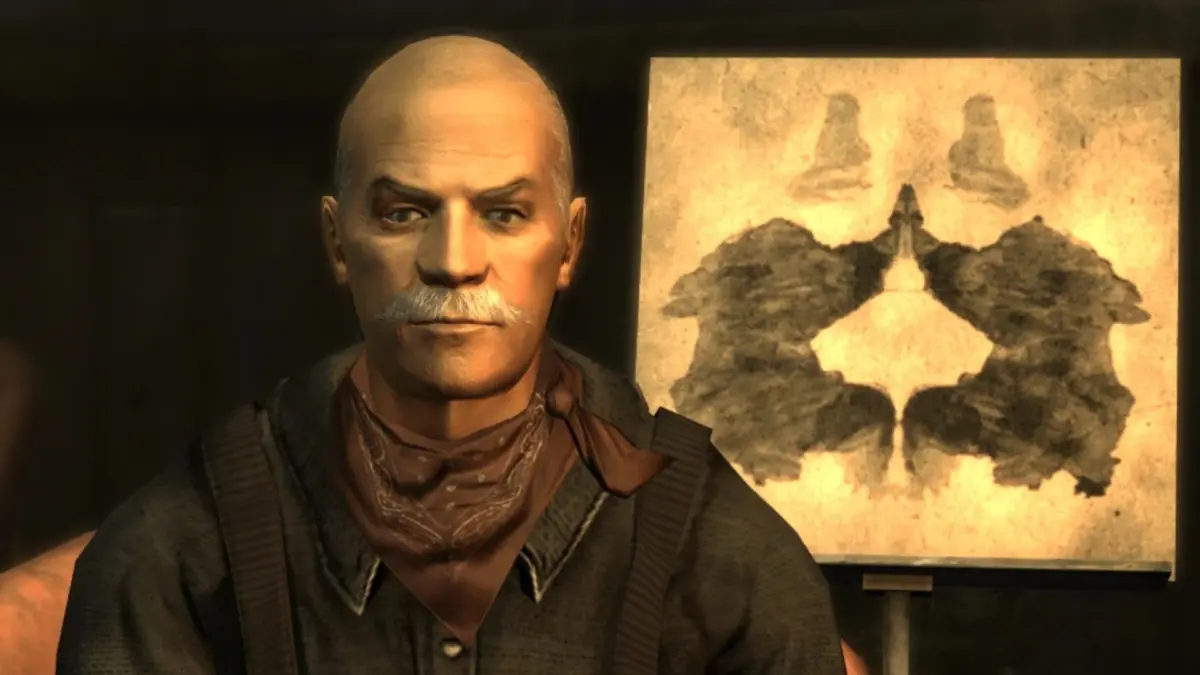
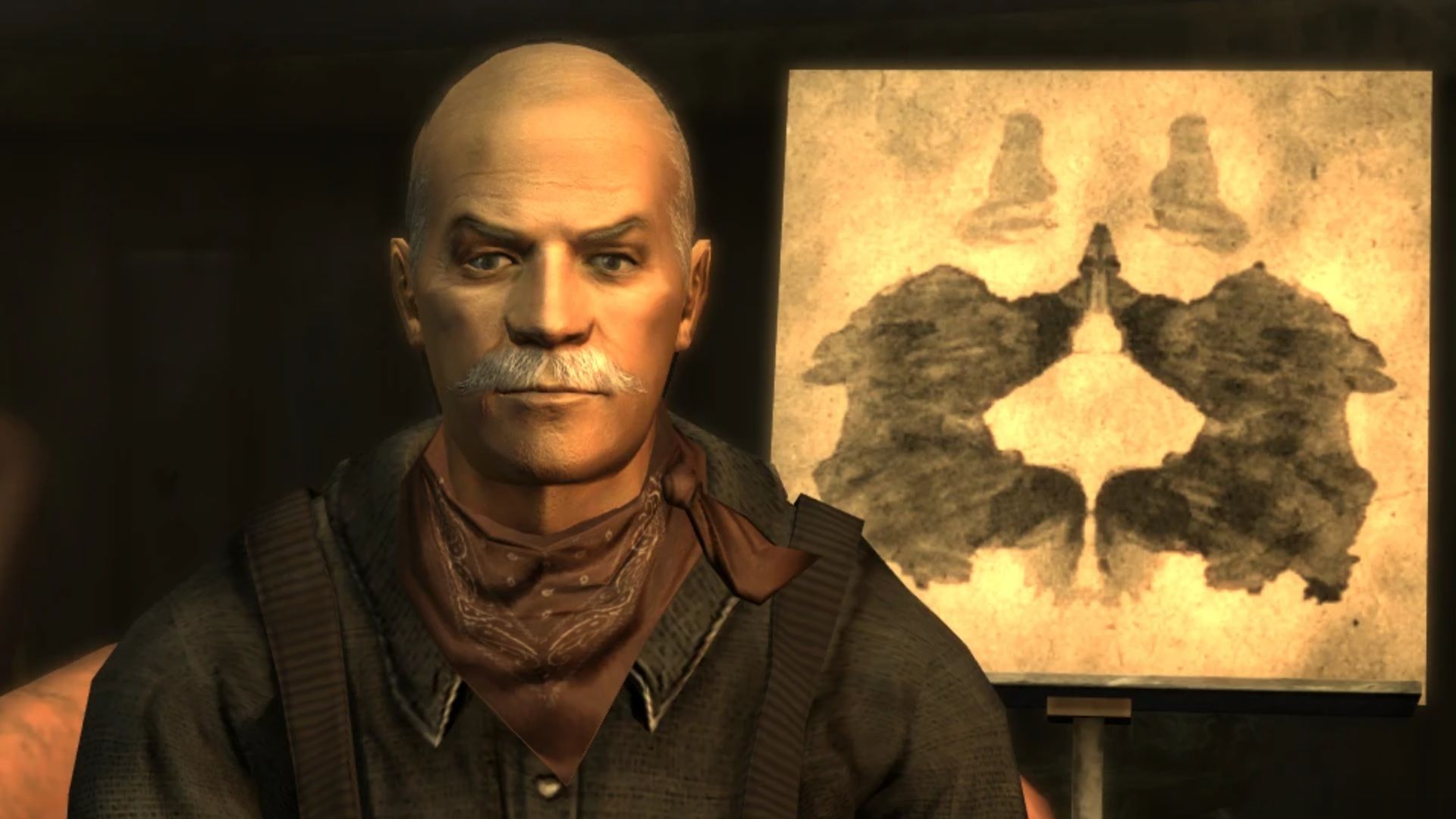
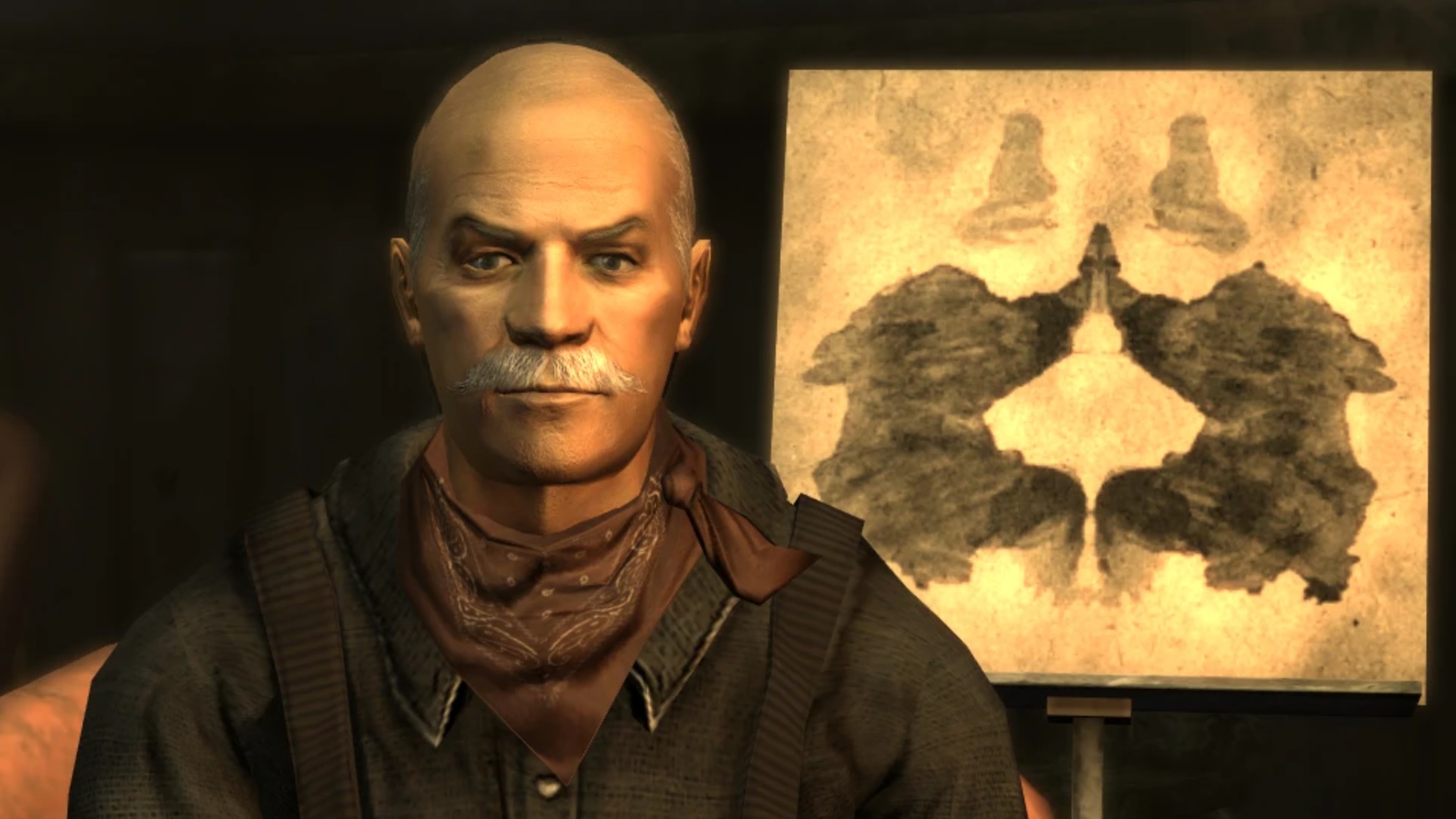
Released in 2010 to critical acclaim, Fallout: New Vegas was developed by Obsidian—a studio comprising many alumni from Black Isle Studios, the original creators of Fallout—under a tight 18-month development cycle commissioned by Bethesda. The resulting game became a fan-favorite, celebrated for its branching narratives, profound faction choices, and sharp writing. Yet, despite the massive success and the fervent demand from the community for a repeat performance within The Elder Scrolls universe, Bethesda has steadfastly refused to hand the keys of Tamriel to an outside developer.
Recent commentary from former Bethesda Game Studios designer Kurt Kuhlmann on the FRVR Podcast sheds light on this institutional reluctance. According to Kuhlmann, the massive success of New Vegas inadvertently birthed a polarizing, highly toxic paradigm within the gaming community: an endless culture war over "who makes a better [franchise] game."
This article explores the corporate dynamics, creative protectiveness, and community pressures that kept The Elder Scrolls strictly in-house. By examining historical contexts, executive perspectives, and the evolving economic realities of the games industry—including the role of The Elder Scrolls Online (ESO) and the current corporate landscape under Microsoft—we unpack why Bethesda and game director Todd Howard chose to guard Tamriel so fiercely.
Detailed Chronology: The Road to New Vegas and the Tamriel Road Not Taken
The Acquisition of Fallout and the Birth of New Vegas (2004–2010)
To understand why The Elder Scrolls was never outsourced, one must first understand how Fallout temporarily left Bethesda’s exclusive internal pipeline. In 2004, Bethesda Softworks purchased the intellectual property rights to the post-apocalyptic Fallout franchise from Interplay Entertainment. Bethesda subsequently developed and released Fallout 3 in 2008, successfully transitioning the isometric turn-based RPG series into a 3D first-person open-world epic.
While Fallout 3 was a commercial blockbuster and critical darling, it alienated a vocal faction of old-school PC purists who longed for the tone, writing style, and lore continuity of the original Black Isle games (Fallout and Fallout 2). Recognizing an opportunity to leverage external talent with deep historical ties to the IP, Bethesda contracted Obsidian Entertainment—then hungry for work and featuring key developers like Josh Sawyer and Chris Avellone—to develop a companion game set in the Mojave Wasteland.
Utilizing the Fallout 3 engine and tools, Obsidian built Fallout: New Vegas in roughly a year and a half. Despite being famously plagued by bugs at launch due to the condensed development timeframe, the game captured the hearts of RPG enthusiasts worldwide. Its intricate political webs, gray morality, and callbacks to the classic lore made it an instant classic.
The Divergence of Two Pillars: Skyrim and Beyond (2011–Present)
While Fallout: New Vegas was winning over critics, Bethesda Game Studios was putting the finishing touches on The Elder Scrolls V: Skyrim, released in November 2011. Skyrim became a cultural behemoth, transcending the traditional gaming market to become one of the best-selling video games of all time.
In the wake of Skyrim’s historic success, fans naturally anticipated that Bethesda might replicate the New Vegas formula for Tamriel. Speculation regularly swirled around whether Obsidian or another acclaimed RPG developer (such as inXile Entertainment or Larian Studios) might be handed the reigns to craft a side-story in Valenwood, Elsweyr, or Black Marsh.
However, those hopes were repeatedly dashed. As years turned into decades—bridged only by successive re-releases of Skyrim and the long, agonizing wait for The Elder Scrolls VI—it became abundantly clear that Bethesda intended to keep the franchise entirely in-house. According to Kuhlmann, this was no accident; it was a deliberate strategy to shield the series from external friction and safeguard the distinct creative vision of studio director Todd Howard.
Supporting Context & Metrics: The Cost of the "Console Wars" Fanbase
The Toxic "Who Makes It Better?" Paradigm
Kuhlmann’s remarks on the FRVR Podcast point to a psychological toll exacted by the success of New Vegas. By outsourcing development, Bethesda inadvertently fostered an adversarial ecosystem within its own player base.
[Bethesda Game Studios] ---> Develops mainline games (Fallout 3/4, Skyrim)
                                   |
                                   v
[Obsidian Entertainment] ---> Develops spin-off (Fallout: New Vegas)
                                   |
                                   v
[Fan Community] ------------> Toxic polarization: "Obsidian does it better!"
                                   |
                                   v
[Bethesda Leadership] ------> Refuses to repeat experiment for Elder Scrolls
This polarization manifested online as a ceaseless debate: Which studio truly understands the DNA of these universes? A vocal contingent of RPG purists began framing Bethesda as creatively bankrupt compared to Obsidian, arguing that the latter’s writers and world-builders possessed a superior grasp of branching narratives and role-playing depth.
For a studio as tightly knit and protective of its internal culture as Bethesda Game Studios—where core team members like Todd Howard, Emil Pagliarulo, and Kurt Kuhlmann had worked together for decades—this external friction was hard to ignore. Kuhlmann noted that Todd Howard, in particular, was intensely protective of The Elder Scrolls. Inviting another studio in to play in the sandbox would risk reviving that exact same polarizing discourse for Bethesda’s crown jewel fantasy property.
The Valve of Pressure: The Elder Scrolls Online
Another critical factor that alleviated the need for a single-player spin-off was the advent and sustained success of The Elder Scrolls Online (ESO). Developed by ZeniMax Online Studios (a sister company under the ZeniMax Media umbrella) and launched in 2014, ESO provided an ongoing, ever-expanding avenue for players hungry for new lore and geography within Tamriel.
As Kuhlmann highlighted, ESO effectively "took the heat off" the single-player development team. For millions of fans, ESO became their primary point of engagement with the franchise. It constantly pumped out new chapters, zones, and stories—ranging from Summerset to High Isle—satisfying the public’s appetite for new content while the single-player division at Bethesda Game Studios focused entirely on multi-year undertakings like Fallout 4, Fallout 76, Starfield, and the perpetually distant The Elder Scrolls VI.
Official Statements and Insider Perspectives
The debate surrounding studio control over Bethesda’s IPs is not merely academic; it touches upon the core psychology of creative ownership.
Kurt Kuhlmann’s breakdown on the FRVR Podcast provides an invaluable window into the executive mindset at Bethesda during the height of the Xbox 360 and PlayStation 3 eras:
"The whole New Vegas thing did create at least the perception of this, ‘Who makes a better Fallout game? Oh, they should just give it to Obsidian.’ There are the Obsidian, New Vegas people… I don’t know that Todd wanted to create that situation again for The Elder Scrolls. Todd, from my time there, he is very protective of it."
Industry analysts and veteran journalists who have spent years interviewing Bethesda developers note that these protective instincts are deeply personal. Todd Howard has spent his entire professional life building the worlds of Cyrodiil, Skyrim, and the Capital Wasteland. Handing those worlds over to external teams introduces variables—creative disagreements, conflicting lore interpretations, and public relations minefields—that a meticulous director naturally seeks to avoid.
Furthermore, industry observers point out that reading Kuhlmann’s statements as an admission of corporate insecurity misses the mark. Senior developers at Bethesda frequently express professional respect for their peers at Obsidian. The reluctance to outsource is less about fearing competition and more about maintaining an uncompromised, singular artistic vision. When a creator spends a decade conceptualizing a universe, the idea of fracturing its stewardship can feel fundamentally counterintuitive.
Future Outlook: The Irony of Modern Fallout and Corporate Realities
As the gaming landscape stands today, the conversation surrounding external development deals has shifted dramatically due to industry consolidation.

Following Microsoft’s multi-billion-dollar acquisition of ZeniMax Media in 2021—and Microsoft’s subsequent purchase of Activision Blizzard King—both Bethesda Softworks and Obsidian Entertainment now reside under the exact same corporate umbrella within Xbox. This structural reality has naturally reignited fan speculation about whether an Obsidian-developed Fallout or Elder Scrolls project could happen once again now that corporate boundaries have dissolved.
However, the current industry climate injects a sobering dose of reality into these fantasies. The video game industry has been gripped by waves of mass layoffs, studio restructuring, and cancellations. Obsidian Entertainment itself has been navigating the pressures of balancing multiple projects, including Avowed and The Outer Worlds 2, while operating under the watchful, cost-conscious eye of Xbox leadership.
As industry commentary suggests, when fans clamor for Obsidian to make another game in the style of New Vegas, they often get their wish in a "monkey’s paw" scenario. Yes, Obsidian could theoretically return to the wasteland or venture into fantasy, but they would do so under grueling corporate conditions, tight deadlines, and the looming threat of restructuring.
For The Elder Scrolls, however, the path forward remains firmly unchanged. Bethesda Game Studios continues to toil away on The Elder Scrolls VI, entirely insulated from outside hands. While the lack of a New Vegas-style fantasy spin-off may forever remain a fascinating "what if" in RPG history, the lessons learned from the Mojave Wasteland ensure that Tamriel will remain strictly under the watchful eye of its original architects.








Belum ada komentar. Jadilah yang pertama berkomentar!