In the rapidly evolving landscape of Japan’s service industry, few cultural phenomena have proven as economically potent or culturally transformative as oshi-katsu (推し活). Loosely translated as the act of "stanning" or dedicating passionate support to an oshi—a favored idol, actor, virtual YouTuber (VTuber), or anime and manga character—this devotion drives millions of consumers to invest immense time, emotional energy, and financial capital into their fandoms. For diehard fans, physical merchandise is not merely collected; it is treated as a living extension of the beloved character. Chief among these items are nuigurumi (plush toys, affectionately abbreviated as nui) and acrylic standees, which fans routinely cart across the country to photograph at scenic landmarks, take to live concerts, and place proudly beside them in daily life.
Recognizing the deep emotional bonds tying fans to their miniature companions, major Japanese business hotel chain Toyoko Inn rolled out a service that has captured the imagination of travelers nationwide: the Oshi-Katsu Support Plan. Launched in the autumn of 2025 and continuing through mid-2027, this initiative represents a paradigm shift in budget hospitality. Rather than treating fans as standard corporate travelers, Toyoko Inn has officially engineered accommodations that cater directly to the psychological and physical comforts of both guests and their plushie companions.
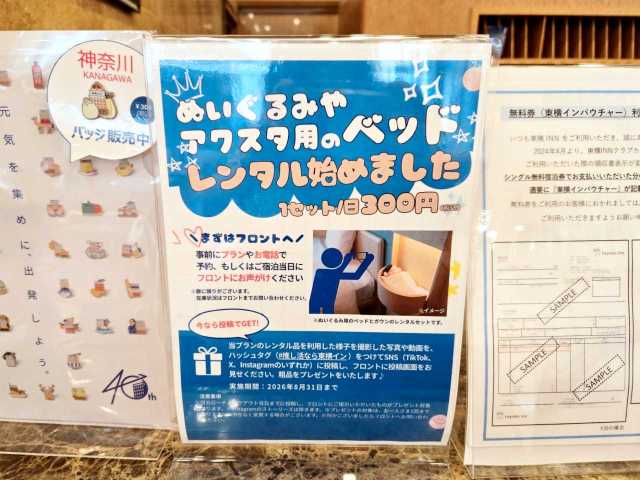
For a nominal add-on fee of just 300 yen (approximately $1.88 USD), guests booking the "Oshi-Katsu Sleepover Plan" are provided with a dedicated miniature bed frame, mattress, duvet, pillow, and custom-tailored nightwear designed specifically for plush toys and acrylic stands. Far from being a mere novelty stunt, the program demonstrates a masterclass in spatial repurposing—utilizing pre-existing architectural features of standard business hotel rooms to create custom cozy nooks for toys—while simultaneously incorporating eco-friendly initiatives through recycled guest amenities. This comprehensive report investigates the genesis, execution, cultural resonance, and future implications of Toyoko Inn’s revolutionary hospitality offering.
Detailed Chronology: A Firsthand Account of the Nui Sleepover Experience
To fully understand the mechanics and emotional weight of Toyoko Inn’s Oshi-Katsu Support Plan, one must examine how the experience unfolds from the perspective of the traveler. Recently, a reporter from SoraNews24, Maro—an avid fan and collector of character plushies—checked into a participating Toyoko Inn branch to test the Sleepover Plan firsthand.
Booking and Check-In
The journey began online, where guests can select specific Oshi-Katsu accommodation tiers. Toyoko Inn offers two distinct variations under its support umbrella:
"Relax & Recharge – Oshi Edition": Tailored for human fans returning from grueling live concerts or fan meetups, this tier includes restorative care packages featuring foot care sheets, therapeutic bath salts, and heated eye masks.
"Oshi-Katsu Sleepover Plan – Stay with Your Favorite Plushie!": The flagship experiential offering that guarantees dedicated sleeping arrangements for the guest’s inanimate traveling companion.
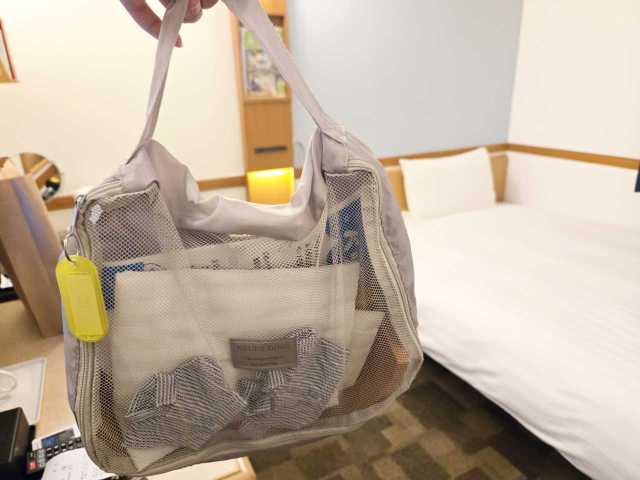
Upon arrival at the hotel front desk, Maro was greeted with customary Japanese hospitality, elevated by the staff’s seamless integration of the specialty plan. Rather than receiving standard check-in materials alone, she was handed a neatly packaged mesh utility bag containing the complete bed set and miniature nightwear for her character plushie. The seamlessness of the transaction underscored how thoroughly the staff had been trained to handle the nuances of modern fandom culture without a hint of judgment or awkwardness.
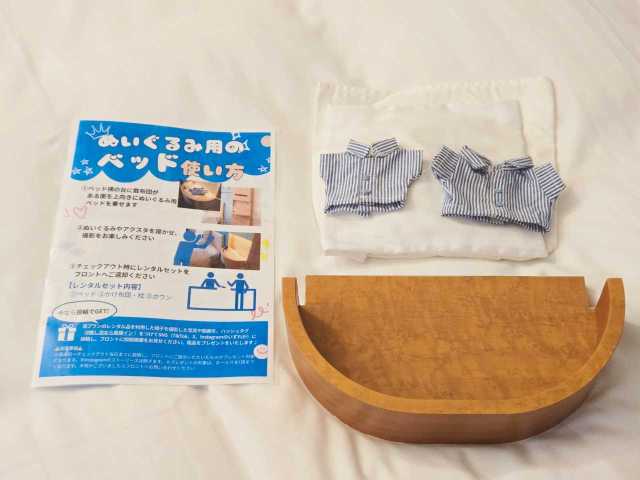
Upon entering her compact yet meticulously organized business hotel room, Maro set about constructing her plushie’s accommodations. The miniature bedding set included:
A lightweight plastic bed frame easily assembled or positioned within seconds.
A diminutive foam mattress, pillow, and patterned duvet.
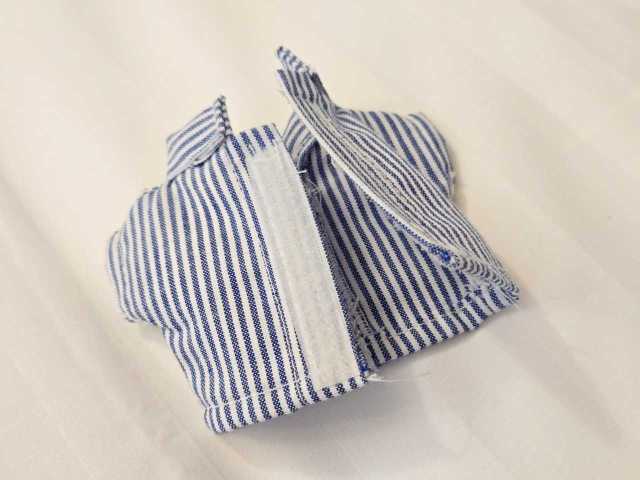
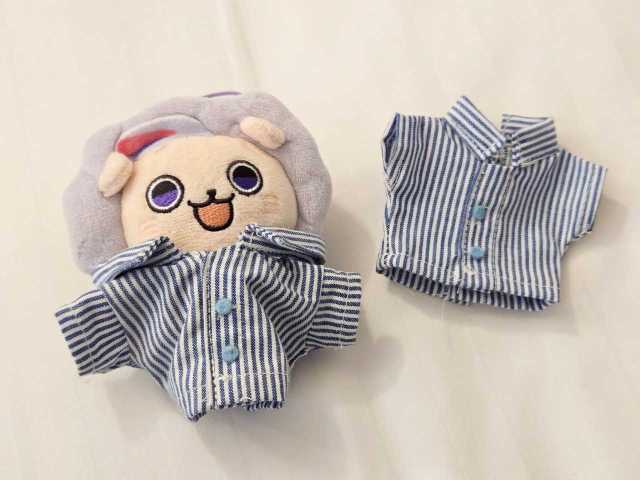
Two sizes of fabric nightwear gowns equipped with discrete Velcro fastenings along the back.
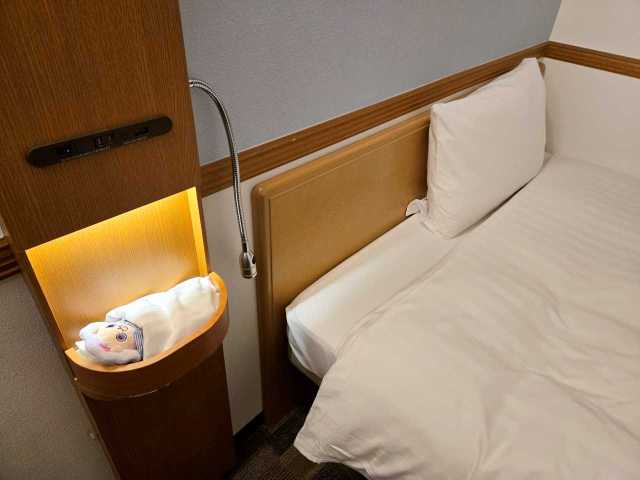
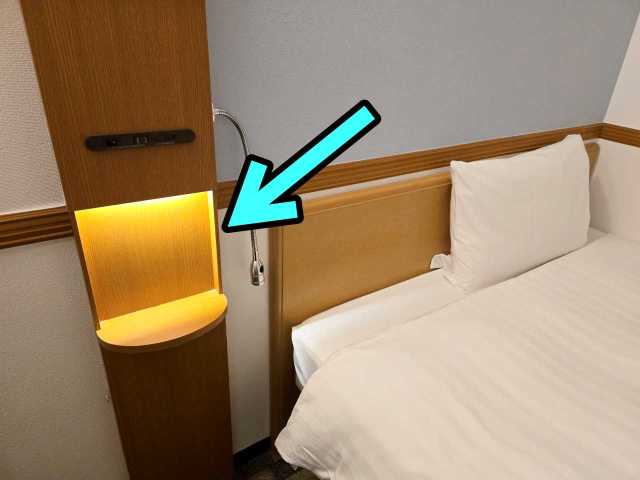
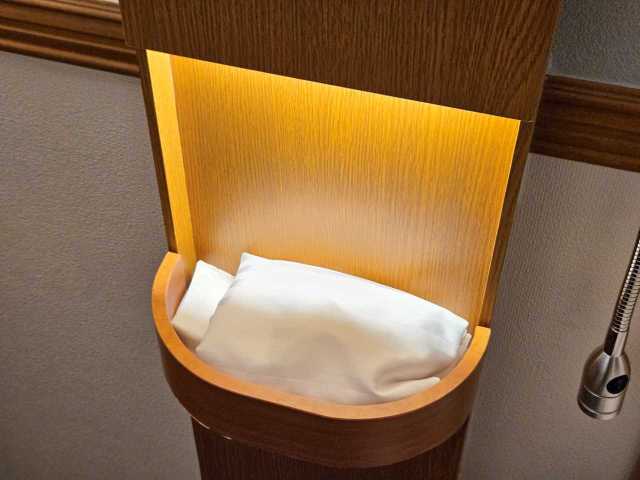
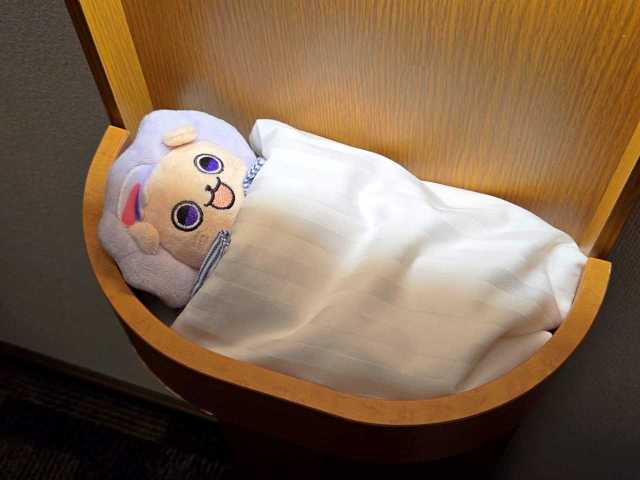
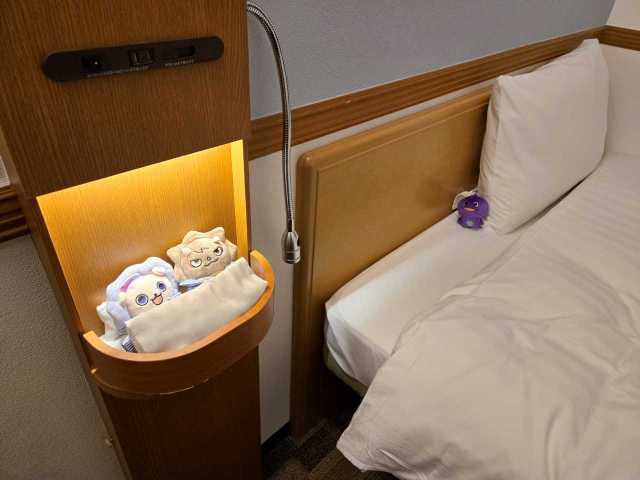
The masterstroke of the room’s design emerged when Maro looked for a place to set up the miniature bed. Toyoko Inn rooms characteristically feature a small, curved recessed niche near the bedhead—traditionally designed as a catch-all tray for smartphones, eyeglasses, and wristwatches before sleep. With uncanny precision, the miniature bed frame slid directly into this curved bedside nook, fitting as though the architects of the hotel chain had anticipated the trend years in advance.
Fitting the nightwear onto the plushies presented a charming logistical puzzle. Because character plushies vary wildly in anatomical proportions—some featuring oversized heads, others built with standard human-like dimensions—the Velcro-secured nightwear required minor adjustments. Maro’s primary plush companion possessed an exceptionally large head, causing the gown to stretch snugly across its seams. Nevertheless, the flexible design accommodated the character successfully.
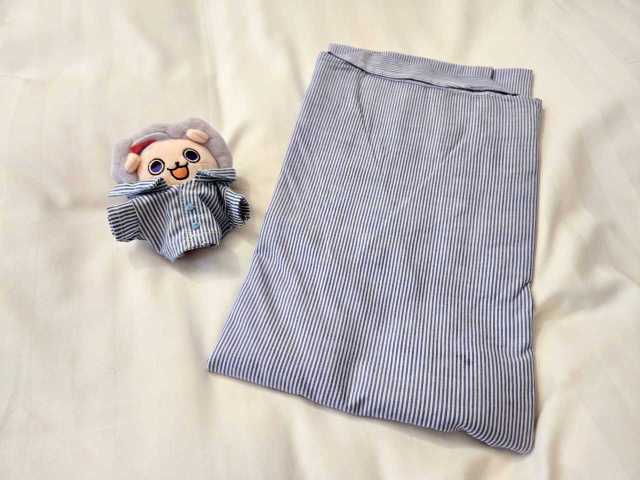
Crucially, the miniature nightwear was engineered to visually mirror the larger, adult-sized cotton gowns provided to human guests by Toyoko Inn. This intentional aesthetic matching allowed for whimsical photo opportunities: the human traveler and their plushie lounging in synchronized sleep attire, a visual testament to the depth of companionship fostered by modern oshi-katsu.
The Social Media Campaign and Eco-Friendly Rewards
Toyoko Inn structured the Oshi-Katsu Support Plan with an interactive digital component designed to leverage user-generated content across social media platforms like X (formerly Twitter). Guests who post photos or videos of their plushies utilizing the specialized bedding set are eligible to receive an exclusive complimentary gift at the front desk.
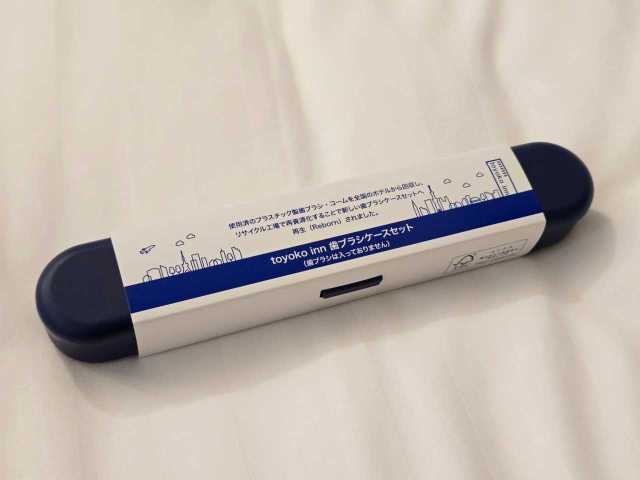
Maro captured a high-resolution photograph of her character plushie tucked cozily into its bedside nook, looking entirely at ease beneath its miniature duvet. Upon publishing the image to her social media profile and presenting the post to the front desk staff, she was rewarded with an unexpected prize: an exclusive, branded toothbrush case set.
Far from being a cheap promotional trinket, the item proved to be a substantive, high-utility travel accessory featuring custom illustrative artwork on its casing. Subsequent investigation revealed an admirable sustainability narrative behind the gift: the toothbrush cases are manufactured entirely from recycled plastic harvested directly from used toothbrushes and hair combs collected from Toyoko Inn properties nationwide. Guests are encouraged to deposit their discarded bathroom amenities into dedicated receptacles located within hotel bathrooms, closing the loop on single-use hotel plastics in a uniquely charming way.
Supporting Context & Metrics: The Economics and Culture of Oshi-Katsu
To appreciate why a prominent, no-frills business hotel chain like Toyoko Inn would invest resources into miniature plushie beds, one must examine the macroeconomic and cultural shifts surrounding modern Japanese fandom.
The Rise of Oshi-Katsu
The term oshi-katsu is a portmanteau combining oshi (the object of one’s adoration) and katsu (activities or active pursuits). While Western equivalents like "stanning" often denote passive online fandom or digital engagement, oshi-katsu in Japan is characterized by tangible, physical, and financial action. Fans dedicate disposable income to buying merchandise (goods), attending live events, staging altar-like displays at home (itada-room), and traveling across prefectural borders to visit cafes, pop-up shops, and concert venues.
Market research indicates that the oshi-katsu demographic spans a broad age range, from teenagers to working professionals in their 30s, 40s, and beyond. For working adults, spending disposable income on cute, comforting items serves as a vital psychological coping mechanism against the intense pressures of Japan’s corporate work culture. Plush toys (nuigurumi) and acrylic stands act as portable anchors of emotional safety. Taking them on trips is a way to share life experiences with one’s favorite character, transforming a lonely business trip or solo vacation into a shared adventure.
Toyoko Inn’s Strategic Positioning
Toyoko Inn is historically renowned as a bastion of functional, predictable, and economical lodging. With hundreds of properties spread across every prefecture in Japan—typically situated immediately adjacent to major railway stations—the chain serves as the default home away from home for salarymen, tour groups, and budget-conscious travelers.
By introducing the Oshi-Katsu Support Plan, Toyoko Inn achieved several critical business objectives:
Capitalizing on Event Tourism: Major music concerts, anime conventions, and stage play adaptations regularly draw tens of thousands of fans to urban centers like Tokyo, Osaka, and Nagoya. Fans frequently book the closest available business hotel to concert arenas. By positioning itself as oshi-friendly, Toyoko Inn captures bookings that might otherwise go to boutique themed hotels or Airbnb rentals.
Low Implementation Cost, High Emotional Return: The manufacturing cost of miniature foam beds, small fabric garments, and plastic frames is negligible. However, the perceived value to the consumer—and the resulting viral word-of-mouth marketing on social media—is immeasurable.
Differentiation in a Crowded Market: The Japanese business hotel sector is intensely competitive, featuring rival chains such as APA Hotel, Super Hotel, and Dormy Inn. While competitors often differentiate via hot spring baths or gourmet breakfast buffets, Toyoko Inn carved out an entirely uncontested niche in emotional hospitality.
Official Statements and Industry Reception
While Toyoko Inn’s corporate headquarters has maintained a straightforward promotional approach regarding the campaign, tourism analysts and cultural commentators have praised the initiative as a textbook example of consumer-centric product localization.
Industry observers note that Japanese hospitality has long excelled at omotenashi—the philosophy of anticipatory hospitality. However, applying omotenashi not just to paying human guests, but extending its comforts to inanimate objects representing psychological anchors, marks a fascinating evolution in service design.
A spokesperson for a major Tokyo-based consumer research institute remarked:
"What Toyoko Inn has understood is that modern consumers do not separate their emotional lives from their travel experiences. When a fan travels for a concert, their devotion travels with them. By validating that emotional reality through physical accommodations—a bed, a blanket, a matching outfit—the hotel transforms from a cold, functional box into a welcoming, empathetic space. It builds profound brand loyalty among a demographic that commands massive digital influence."
Furthermore, the initiative has drawn praise from family travelers. While the plan was ostensibly conceived for adult pop-culture fans (otaku), parents traveling with young children have found the miniature beds equally delightful. For children whose favorite stuffed animals accompany them everywhere, tucking their plush companion into a matching hotel bed provides immense comfort and eases the anxiety of sleeping in an unfamiliar room away from home.
Future Outlook: The Next Frontier of Fandom Hospitality
As the Oshi-Katsu Support Plan continues its rollout across participating Toyoko Inn locations nationwide, industry experts are closely watching to see how competitors and related sectors will respond.
Expanding the Scope of Fandom Tourism
The success of Toyoko Inn’s initiative suggests that fandom-integrated hospitality is no longer restricted to high-end, expensive character-themed hotel rooms (such as those found at official Disney resorts or periodic anime-collaboration floors that command hundreds of dollars per night). Instead, the future lies in modular, low-cost micro-accommodations—add-on services that can be integrated into standard, affordable rooms without requiring permanent architectural renovations.
Industry analysts predict several potential developments in the near future:
Customized Merchandise Tiers: Future iterations of the plan may allow guests to select bedding colored to match their specific idol’s official signature color (known in Japan as member color or oshi-color, spanning standard hues like red, blue, green, purple, and neon yellow).
Dining Accommodations: Cafes and breakfast rooms within business hotels may begin offering miniature high chairs or table settings so that plush toys can "dine" alongside their owners during the complimentary morning breakfast service.
Broader Cross-Industry Partnerships: Collaborative campaigns between hotel chains and major entertainment conglomerates (such as Sanrio, Bandai Namco, or VTuber agencies like Hololive Production) could see official, branded character sleepover kits sold directly at front desks.
Sustainability as a Core Component
Toyoko Inn’s clever integration of its recycled toothbrush-case reward system highlights an important secondary trend: the coupling of pop-culture marketing with environmental responsibility. As younger consumer demographics increasingly demand sustainable corporate practices, brands that successfully merge playful consumerism with eco-friendly initiatives will maintain a distinct competitive advantage.
Conclusion
Toyoko Inn’s Oshi-Katsu Support Plan transcends the realm of a mere marketing gimmick. It serves as a cultural mirror reflecting the changing ways humans form attachments to art, media, and each other in the twenty-first century. By acknowledging that a piece of fabric shaped like an anime hero or pop idol deserves a warm bed and a tiny nightshirt, Toyoko Inn has demonstrated a profound empathy for its clientele. For the weary traveler stepping off a crowded train into a quiet Tokyo hotel room, knowing that their miniature companion is resting just as comfortably beside them represents the ultimate definition of hospitality.





Belum ada komentar. Jadilah yang pertama berkomentar!